

In recent years, the phenomenon of the Five Nights at Freddy’s (FNAF) franchise has captivated audiences worldwide. The myriad of characters that populate this horror universe, ranging from the whimsical to the sinister, intrigue players and provoke introspection. This article endeavors to explore the question: “Which Five Nights at Freddy’s character are you?”—a query that resonates with fans and prompts reflection on deeper psychological implications.
At its core, FNAF delves into the human psyche, encapsulating themes of fear, nostalgia, and existential dread. The animatronics, while eerily lifelike, serve as mirrors reflecting various facets of our personalities. Their motivations, characteristics, and backgrounds often elicit an exploration of our own traits. As we dissect the fundamental attributes of several key characters, we can gain insight into the ways they metaphorically represent aspects of our own lives.
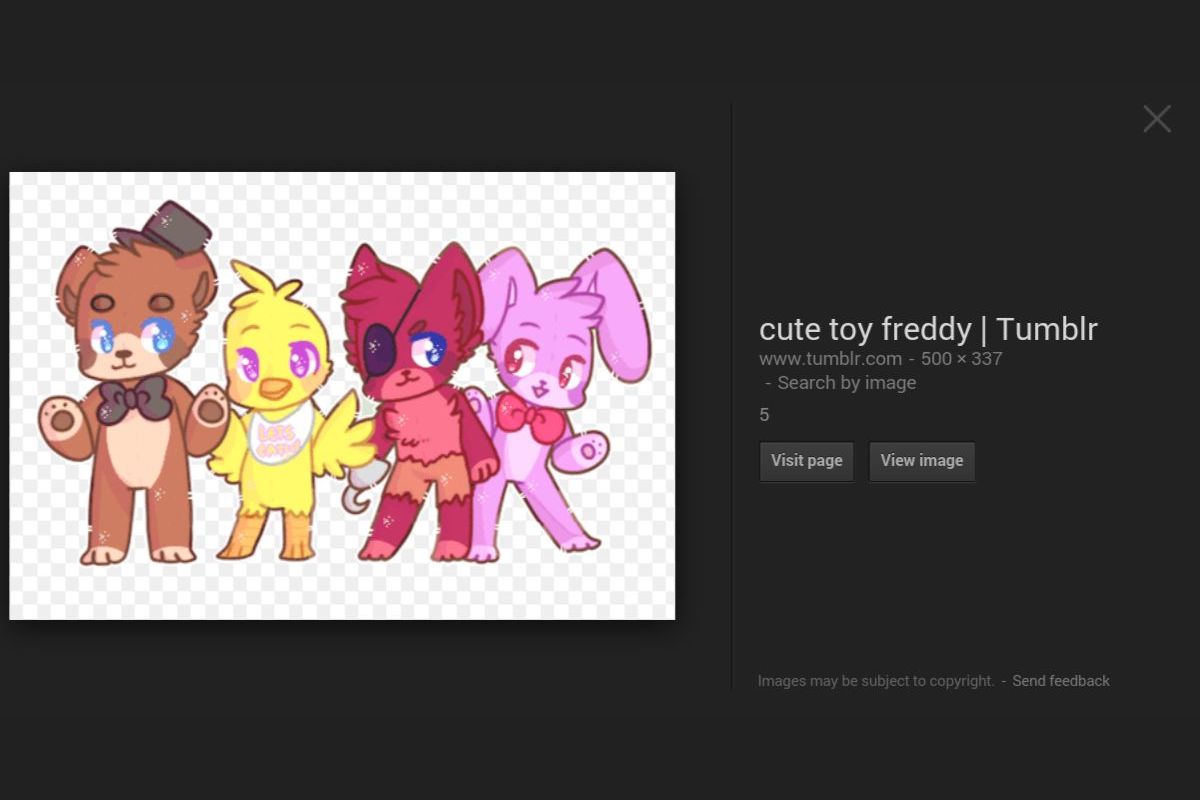
Firstly, consider Freddy Fazbear, the titular character of the franchise. Freddy embodies leadership and responsibility, often seen as the patriarch of the animatronic band. His presence is comforting yet foreboding, reflecting the duality of being a caretaker while simultaneously instilling fear. If you find yourself often striving to take charge, guiding those around you while grappling with the weight of expectations, you might resonate with Freddy. This character’s embodiment of authority juxtaposed with vulnerability speaks to a common experience: the struggle between being a figure of strength while confronting personal insecurities.
On the other hand, Bonny, the elusive and deceptively quiet bunny, exemplifies the lurking threat of the unknown. Bonny’s propensity for stealth mirrors the human tendency to embrace hidden fears. Those aligned with Bonny may find themselves often contemplating the fears that go unspoken, harboring a sense of introspection with a hint of anxiety. Bonny’s role in the franchise emphasizes a deeper existential question: Are we driven more by outward expressions or by the quiet fears and thoughts that fester within? This resonates with many who navigate the complexities of social interactions while confronting their internal battles.
The character Chica adds yet another layer of complexity to the narrative tapestry. This lively animatronic embodies a zest for companionship but is also marked by moments of violence and unpredictability. Chica personifies the duality of nurturing relationships and the capacity for conflict. Individuals who identify with Chica may do so due to their ability to connect with others deeply but also struggle with emotional volatility. The challenge lies in balancing affection with the occasional darkness that resides within, prompting a reflection on our own relationships and how they can oscillate between warmth and complexity.
Next, we encounter Foxy, the pirate-themed animatronic known for his swiftness and agility. Foxy represents rebelliousness and a thirst for freedom, traits often admired yet rarely acknowledged within ourselves. For those who see traits of Foxy in themselves, there is an unquenchable desire for adventure, and perhaps a longing to break away from the mundane confines of everyday life. This character evokes the spirit of risk-taking, inviting one to ponder how often we suppress our innate longing for excitement and novelty. This exploration of identity through Foxy serves to highlight an internal struggle between conformity and individuality, a tension that resonates broadly with today’s societal demands.
Lastly, we cannot overlook the more sinister characters within the FNAF universe, such as Puppet. This character embodies profound tragedy and loss, illustrating how past trauma can shape one’s current existence. Puppet tells a story of loss and the haunting nature of memories, serving as an archetype for those grappling with unresolved issues. If you find yourself innately empathetic but burdened by past experiences, you may align with Puppet’s narrative. The representation of pain and suffering fosters a dialogue about how personal histories influence our present identities. This character reminds us of the importance of healing and understanding the past in our journey of self-discovery.
The allure of FNAF characters often lies in their complexity. Each animatronic encapsulates distinct personality traits, serving as complex metaphors for human experiences. This casting of characters invites fans to ponder their connection to these fictional personas, creating opportunities for deeper introspection regarding their own identities. Many individuals find solace in associating with these characters, perhaps unconsciously utilizing them as reference points in their personal narratives.
This phenomenon invites a broader examination of the psychological underpinnings of our fascination with horror. The interplay between fear and camaraderie fosters a unique bonding experience among fans. In contemplating which FNAF character resonates most with us, we recognize the tumultuous nature of human emotions—embracing fear, guilt, loss, and ultimately finding a semblance of belonging through shared experience.
In conclusion, the inquiry into one’s own alignment with a FNAF character transcends mere entertainment; it acts as a conduit for self-exploration. The multifaceted personas within the franchise necessitate a deep dive into our own traits, fears, and aspirations. Whether you find kinship with Freddy’s leadership, Bonny’s stealth, Chica’s warmth, Foxy’s rebelliousness, or Puppet’s sorrow, this journey exemplifies the shared human experience. It fosters a compelling connection that invites continuous exploration of identity amidst the shadows of fear and nostalgia. Understanding which FNAF character you are can be a profound journey into the self, bringing to light the intricacies that define our existence.

Leave a comment