

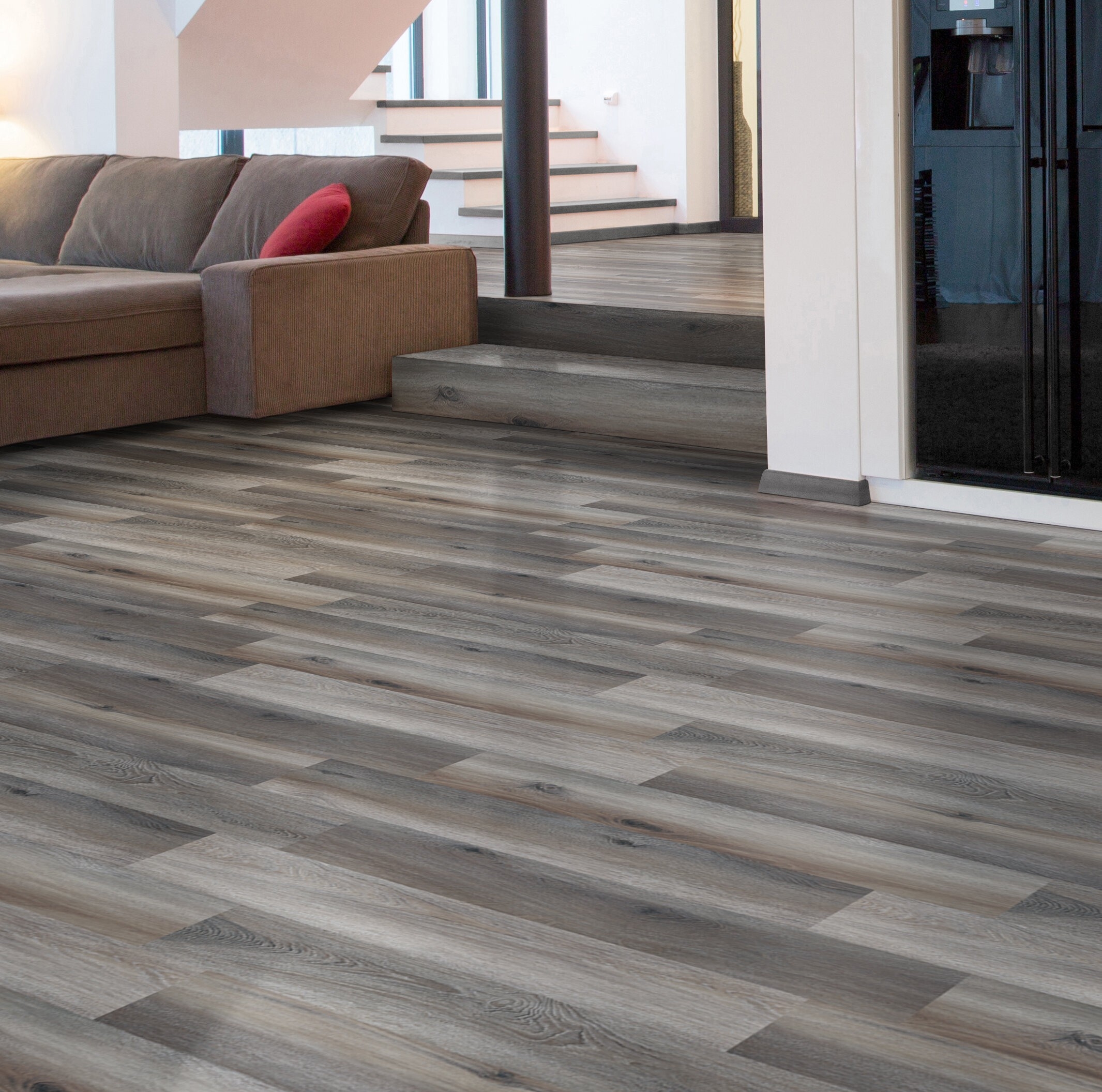
When it comes to flooring, the options can seem endless, and each choice carries its own price tag. However, the real conundrum lies in determining which flooring option can cost the most. With myriad materials available, ranging from the economically feasible to the exorbitantly luxurious, this question invites both intrigue and a touch of challenge. Could it be that you are unwittingly overlooking an extravagant choice in your quest for a flooring solution?
To embark on this flooring odyssey, it is imperative to analyze various materials on the market, each known for their unique characteristics, aesthetic appeal, and associated costs. The common contenders generally begin with wood, laminate, tile, carpet, and vinyl. Yet, a deeper dive into less conventional options may reveal surprising insights.
First on our list is hardwood flooring. Natural and timeless, hardwood can evoke an air of elegance that few materials can replicate. The cost of hardwood flooring can be attributed to several factors, including the species of wood, the quality of craftsmanship, and the method of installation. While classic oak or maple may represent the mid-range dollar amount, rarer species, such as mahogany or teak, can exponentially increase the overall expenditure. Moreover, installation can be a significant source of expense. If one opts for complex patterns or requires acclimation periods, labor costs can quickly pile up, placing hardwood flooring among the pricier contenders.
Next, carpet remains a staple in many households. While one may assume that carpeting generally reflects a more affordable option, the reality can vary considerably based on material composition. High-end carpets made from wool or specialty synthetic fibers can come with a steep price. Many consumers may be dazzled by luxurious styles, plush textures, and intricate patterns, yet it is crucial to consider not only the upfront cost but the longevity and maintenance requirements too. Once one factors in professional cleaning services or potential replacement over time, the initial bargain may turn into an expense far beyond the original investment.
Tile flooring introduces yet another layer to this financial conundrum. While standard ceramic tile can be relatively economical, stepping into the domain of porcelain and natural stones, such as granite or marble, can send costs soaring. The allure of marble, with its unique veining patterns and pristine sheen, is undeniably captivating; however, it is essential to note that durability, susceptibility to staining, and maintenance can be high. Furthermore, intricate tile designs or mosaics necessitate skilled labor for installation, further enhancing costs. It appears that the question of which flooring option can cost the most remains unresolved as each contender has distinct advantages coupled with potential financial pitfalls.
Let us not overlook the realm of vinyl. While it is often mistakenly labeled as a budget-friendly option, luxury vinyl tile (LVT) and plank (LVP) have emerged as standout choices that rival many hardwood or stone surfaces. The lifespan of high-end vinyl flooring, coupled with its aesthetic versatility and ease of maintenance, spurs buyers to consider it as a worthy investment. However, the true expense may manifest upon selecting custom styles or enhanced textures, which could propel costs to levels approaching traditional high-end materials. In instances where the aesthetic is paramount, one could question if the financial outlay is a small price to pay for such an alluring appearance.
Among the unconventional options, we find bamboo. An increasingly popular alternative, bamboo is often marketed as an eco-friendly flooring choice. It can provide a stunning visual impact. However, the premier varieties can be surprisingly costly, particularly when sourced from sustainable plantations. Additionally, installation—should one choose a more intricate design—can further inflate expenses. Consequently, are we witnessing another unexpected competitor in our quest for the most expensive flooring option?
Furthermore, the category of specialty flooring materials paves the way for the truly extravagant contenders. Considerations such as cork, rubber, or even resinous flooring are often reserved for specific niches but can bear exorbitant costs. Rare, artisanal options, like hand-painted tiles or custom hardwood designs, too, beckon with the potential for unparalleled grandeur but at a price that can deter even the most affluent of homeowners.
In contemplating which flooring option can dominate the cost spectrum, one must also factor in the overarching context of the installation environment. Luxurious options thrive in expansive residences with larger surface areas, whereas smaller, contained spaces may favor more cost-effective choices. Thus, the geographical location, local labor rates, and installation complexity all merge into a kaleidoscope of considerations that influence the final financial outcome.
In conclusion, the inquiry into which flooring option can cost the most reveals layers of complexity and nuance. While traditional favorites such as hardwood and tile may frequently spring to mind, alternative materials like luxury vinyl or high-end bamboo may emerge as formidable contenders. Ultimately, the answer to this playful question lies within one’s preferences and priorities, culminating in a floor that is not simply a surface to walk upon but a pivotal aesthetic cornerstone of a residence.

Leave a comment