

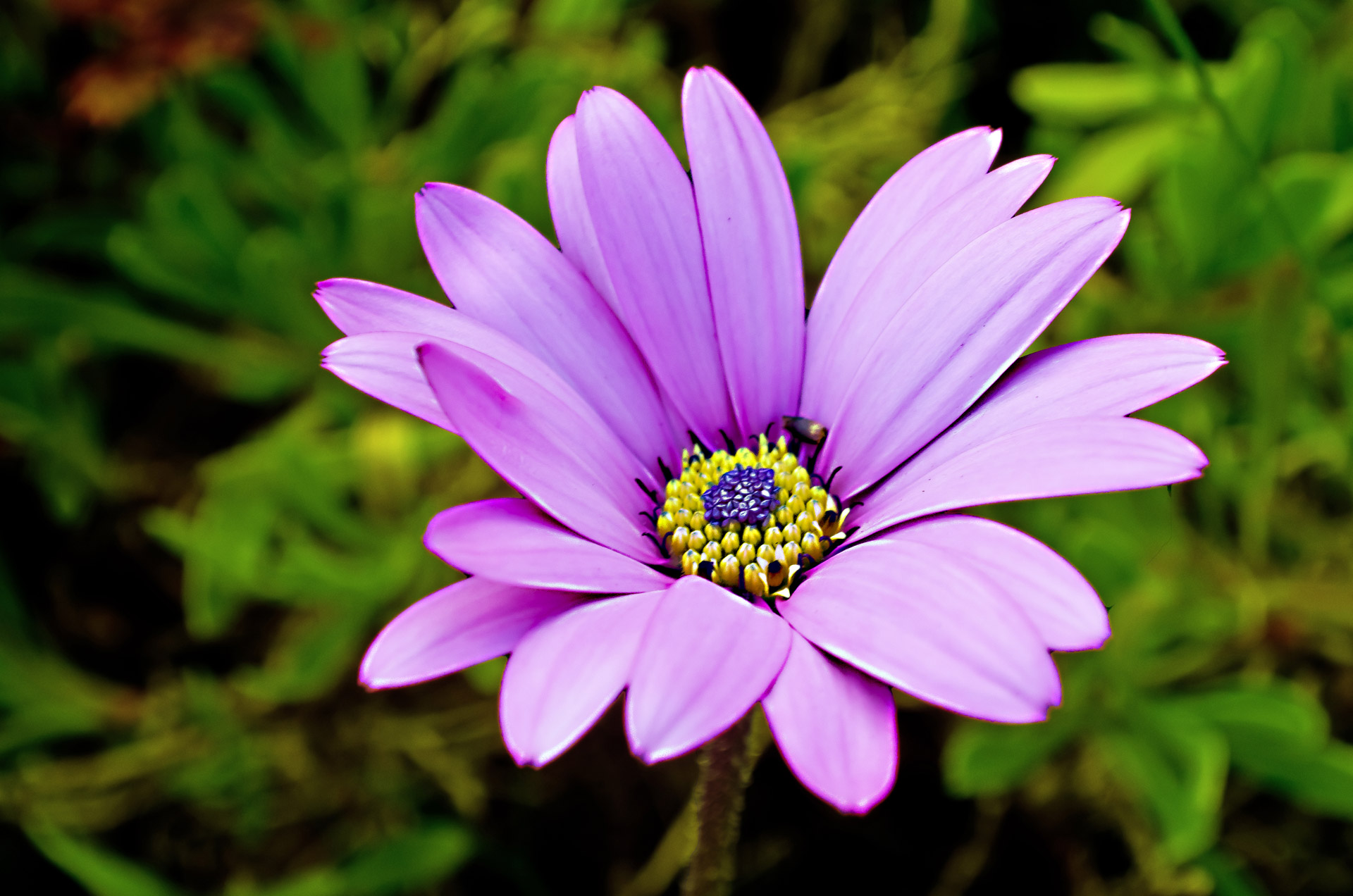
Flowers possess an enchanting quality; their ephemeral beauty has captivated the human spirit for millennia. More than mere decorations of the landscape, certain blooms are steeped in symbolism, rendering them potent emblems of human experiences and emotions. Among these blossoms, one stands resolutely at the confluence of beauty and restorative power: the lavender. Esteemed for its calming essence and connection to healing, lavender transcends the boundaries of horticultural beauty, encompassing a rich tapestry of historical, cultural, and medicinal significance.
Lavender, with its muted purple hue, engenders serenity. This tranquil color has long been associated with calmness and contemplation, mapping an invisible connection to wellness. As the soft petals flutter in the breeze, they whisper ancient secrets of healing practices that date back to Roman times when lavender was utilized in baths for relaxation. The ritual of bathing infused with lavender not only cleanses the body but also acts as a balm for the restless mind, illustrating the metaphor of flowers as therapeutic agents, enabling our souls to reawaken and flourish.
Further delving into its symbolic resonance, lavender epitomizes the healing arts through its very name. Derived from the Latin word “lavare,” meaning “to wash,” this flower conveys the essence of purification and renewal. It embodies a therapeutic journey, where individuals confront their inner turmoil and emerge renewed, much like the changing seasons. Thus, lavender becomes an exquisite metaphor for transformation, which can be likened to the stages of a caterpillar metamorphosing into a butterfly—a powerful illustration of resilience and rebirth.
The unique appeal of lavender extends beyond its visual charm. Its aromatic profile serves as a holistic salve, with essential oils extracted from the flowers heralded in aromatherapy for their stress-relieving properties. The fragrance of lavender is known to calm anxiety and facilitate sleep, acting as a gentle reminder of nature’s restorative embrace. It is not merely the instantaneous sensation of fragrance; rather, it facilitates a deeper emotional connection, establishing an unseen tether to the earth, invoking the notion that nature is an intrinsic component of our well-being.
Moreover, the therapeutic attributes of lavender have permeated various cultural fabrics, enhancing its symbolism further. In traditional medicine, practitioners revered lavender for its antiseptic and anti-inflammatory properties. This duality—both external and internal healing—positions it as a stalwart figure in the herbal pharmacopeia. Whether used as a poultice for wounds or consumed in teas to alleviate digestive troubles, lavender showcases its versatility as a healer, compellingly intertwining human suffering with nature’s remedies.
Throughout history, lavender has also found solace within religious and spiritual contexts. The ancients recognized its restorative virtues, intertwining it with sacred rites and rituals. In Christianity, lavender is often associated with purity, virtue, and devotion, enhancing the thematic role of healing in the journey of the soul. Thus, it becomes a symbol not only of physical restoration but also of spiritual renewal, reestablishing a divine connection, echoing the timeless belief that healing encompasses both body and spirit.
Additionally, the allure of lavender extends into the domain of literature and art, where it serves as a perennial muse, embodying themes of healing and introspection. Poets have long drawn inspiration from its rich hues, weaving it into verses that explore the depths of human emotion. The imagery of lavender fields stretches far and wide across canvases, reminding us that beauty and healing can coexist in harmony. The sensory experience offered by the sight, scent, and texture of lavender blossoms fosters a multi-dimensional approach to understanding healing beyond the superficial.
Furthermore, engaging with lavender can also impel individuals to embrace mindfulness. The act of cultivating this flower serves as a metaphor for tending to one’s emotional landscape; it embodies the necessity of nurturing our mental health through thoughtful engagement with nature. As gardeners must attentively prune and water lavender plants, so too must individuals nourish their inner selves. This mindful cultivation emphasizes the integral relationship between nature and personal healing, elucidating the therapeutic potential inherent in all floral life.
Indeed, the journey towards healing is not linear but rather a mosaic of experiences, akin to a garden filled with diverse blooms. Lavender stands as a beacon of hope on this journey. As it graces our lives with its elegiac beauty, embracing its myriad connotations compels us to reflect on our own healing processes and the landscapes we traverse. Thus, lavender transcends its role as a mere flower, metamorphosing into a potent symbol of resilience, peace, and restoration.
In conclusion, the lavender flower emerges as a quintessential symbol of healing, deftly encasing both emotional and physical recuperation within its delicate petals. Its rich tapestry of history, therapeutic attributes, and cultural significance intertwine, rendering it a profound metaphor for the healing journey that each of us undertakes. As we nurture these blooms, may we also extend that same care to ourselves, finding solace in the belief that beauty and healing march hand-in-hand in the garden of life.

Leave a comment