

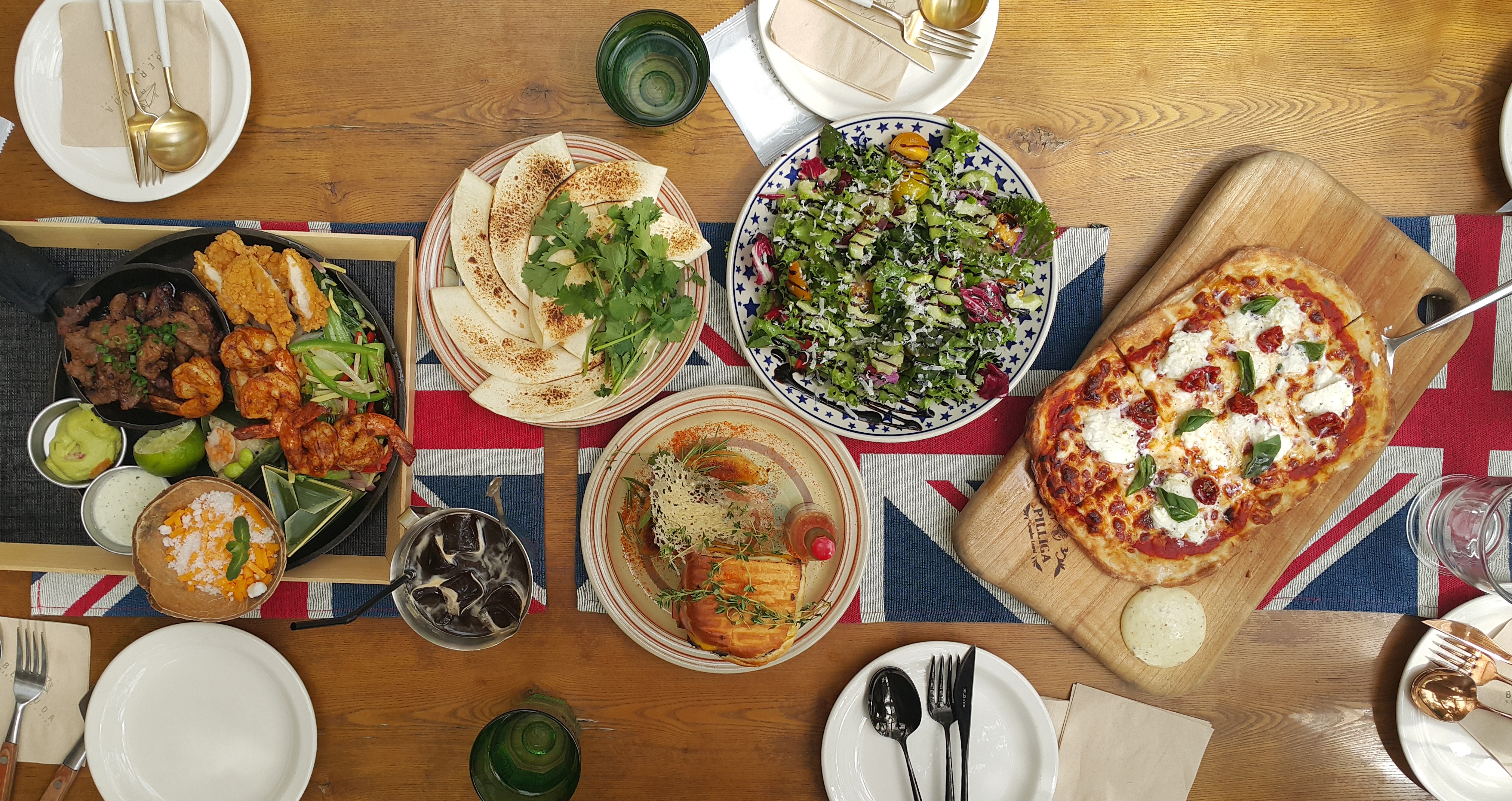
In a world swathed in options and culinary diversity, the “Which Food Am I Quiz” emerges as a delightful lens through which individuals can explore their tastes, preferences, and perhaps even their identities. This engaging exercise combines introspection and entertainment, ultimately illuminating not only personal culinary inclinations but also cultural and emotional connections to various food items. This exploration unveils a plethora of fascinating insights into one’s personality, nutritional choices, and even the societal trends that shape our food consumption patterns.
The inception of such quizzes is inherently tied to the universal nature of food. Almost every culture has a unique set of dishes laden with symbolism and significance. Hence, quizzes that categorize individuals into food archetypes tap into these traditions, evoking a sense of nostalgia and introspection. Many participants find themselves not merely answering questions but embarking on a journey that reflects their culinary upbringing, their sense of adventure, and even their current life circumstances.
One of the most alluring aspects of the “Which Food Am I Quiz” is its ability to evoke curiosity. Through a series of thought-provoking questions—ranging from flavor preferences to contextual associations—participants develop an awareness of their own food narratives. A question such as, “If you were to choose a meal for a first date, what would it be?” not only assesses dining preferences but also encapsulates emotional undertones, revealing insights about social interactions, romantic inclinations, and even self-perception.
Each quiz takes participants through a labyrinth of choices that challenge them to ponder foundational questions about themselves. The spectrum of culinary selections ranges from hearty comfort foods that resonate with their upbringing to exotic dishes that reflect a desire for novelty and excitement. Such dichotomies invite reflection on whether comfort, adventure, or perhaps nostalgia plays a more prominent role in one’s culinary landscape. As participants answer questions, they become storytellers, crafting their personal food biography, which can often reflect broader cultural trends.
Furthermore, the quiz can serve as an enlightening tool for fostering social connections. In an age where relationships are often nurtured online, sharing the results of a food-related quiz can act as an icebreaker and cultivate conversation. As friends and acquaintances compare their results, discussions may blossom around shared tastes, divergent preferences, and surprising food revelations. This communal aspect of discovery can open avenues for new dining experiences, whether it’s trying out a friend’s favorite dish or exploring a café that aligns with one’s quiz results.
The notion of food identity extends into the realm of psychological profiling. Food choices can serve as proxies for deeper personality traits and lifestyle choices. For example, someone who resonates with the savory flavors of sushi might embody traits of sophistication and a willingness to embrace global cultures. In contrast, an affinity for comfort food, such as mac and cheese, may signal a warm-hearted, nostalgic disposition. The implications of these associations encourage participants to reevaluate their relationships with food and the meanings they ascribe to it.
Moreover, the fun elements intrinsic to these quizzes cannot be overlooked. The playfulness embedded in questions and cartoonish illustrations enhances engagement, turning a mundane self-reflection exercise into a captivating experience. Whether delivered in digital format or as a printed activity among friends, the light-hearted atmosphere accompanying the quiz allows individuals to lower their defenses and approach self-discovery with a sense of humor and warmth.
However, while most participants relish the entertainment value, underlying psychological principles demand consideration. The critique surrounding such quizzes primarily arises from their simplicity and potential misattributions of identity. The complexity of human experience cannot be reduced to a singular food archetype, yet therein lies the charm. Each reply renders the quiz dynamic, morphing the exploration into a multifaceted foray into one’s psyche, food history, and aspirations.
The structure of the quiz itself often contains vibrantly illustrated foods that appeal viscerally to the senses. Illustrations of tantalizing dishes or ingredients may elicit cravings or evoke cherished memories, enhancing the sensory experience. Each visual element acts as a catalyst, inviting participants to forge subconscious connections between their choices and memories tied to those foods.
As the quiz concludes, participants often find themselves enlightened, holding a mirror to their food preferences etched in delightful absurdity. The quiz functions not only as a fun break from routine but also prompts one to contemplate future culinary adventures. Perhaps the result will inspire someone to try a new ethnic cuisine, seek out a trendy restaurant, or even cook a long-forgotten family recipe brimming with nostalgia.
Ultimately, engaging with the “Which Food Am I Quiz” opens a portal to self-exploration that effortlessly marries enjoyment with insight. Such quizzes resonate with participants on multiple levels, creating a unique interplay between food, identity, and community. They invoke curiosity, foster social connections, and inspire individuals to view food not merely as sustenance but as a vivid tapestry of experiences and stories worth savoring and sharing.
In a modern landscape bustling with choices, the humility of food, when paired with introspective engagement, cultivates a profound appreciation for our culinary journey. The humble inquiry of “Which Food Am I?” transcends a mundane query—it morphs into an invitation to understand oneself through the prism of flavor, culture, and shared human experience.

Leave a comment