

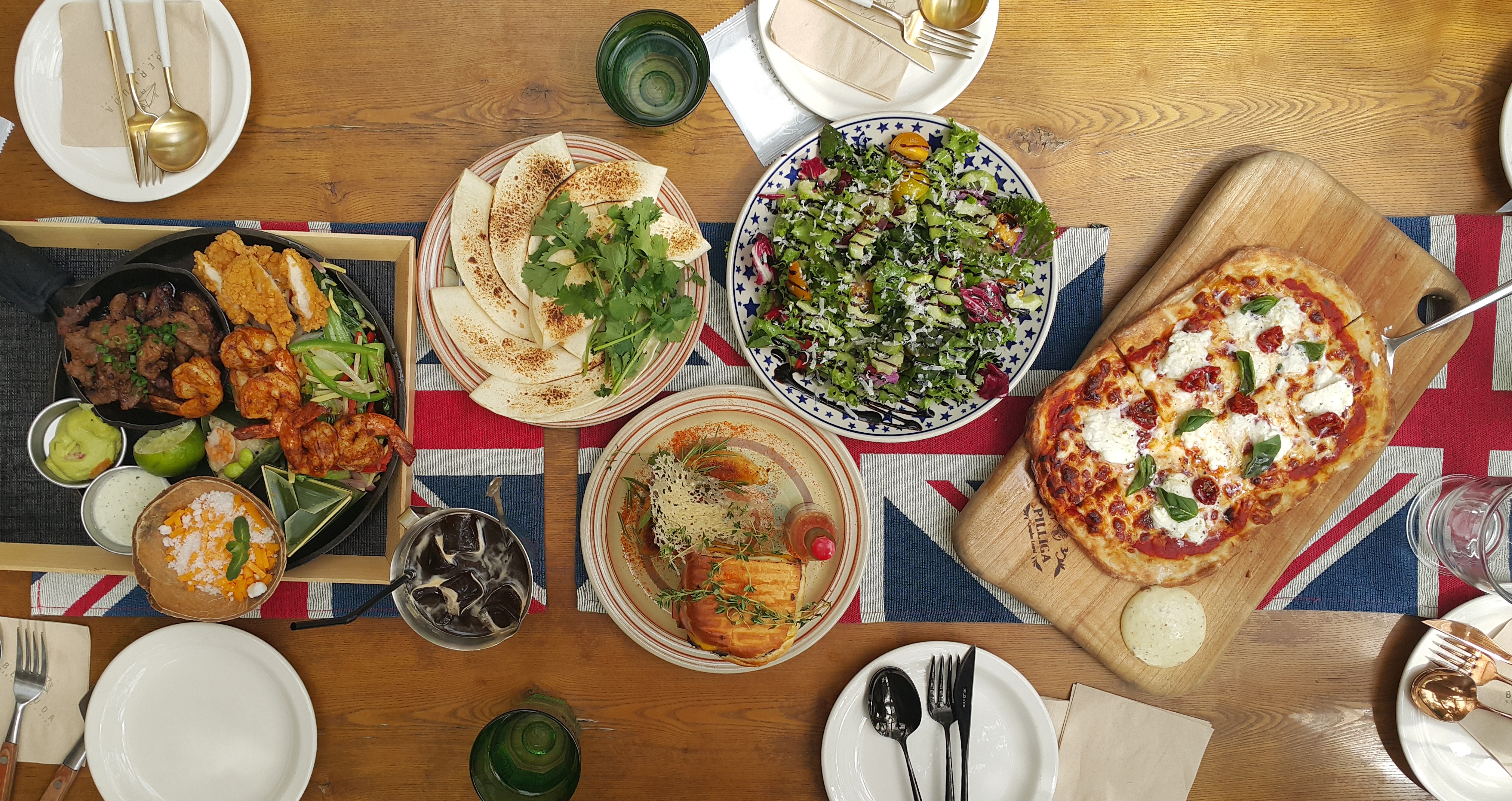
In recent years, the phenomenon of online personality quizzes, particularly those exploring food preferences, has captivated audiences across various demographics. The question, “Which Food Are You?” offers a whimsical yet profound lens through which individuals may examine their tastes, inclinations, and even aspects of their personality. This inquiry, while lighthearted, taps into a deeper societal fascination with identity, culture, and dietary choices. To comprehend this phenomenon and its implications, we must delve into several interconnected domains: the psychological allure of food as identity, the cultural significances embedded in culinary preferences, and the role of social interaction in online quizzes.
The convergence of personality and food is not merely serendipitous; it represents a rich tapestry interwoven with psychological insight. Certain foods evoke specific emotions or memories. For instance, comfort foods such as mac and cheese or chocolate cake often carry associations of nostalgia, providing solace in times of distress. Personality quizzes that inquire about one’s favorite foods tap into this emotional reservoir, yielding a reflection of individual traits. For instance, an affinity for adventurous flavors may suggest openness and a willingness to embrace novelty, while a preference for traditional dishes might indicate a connection to heritage and a sense of stability.
Moreover, the act of consuming food is intrinsically tied to identity formation. Cultural backgrounds significantly influence our culinary preferences, allowing for an expression of personal and collective identity through gastronomy. The “Which Food Are You?” quiz transcends mere amusement; it serves as an introspective exploration of how cultural narratives shape our taste. An examination of regional delicacies can unveil historical migrations, societal norms, and even familial traditions. Therefore, answering the quiz may reveal more than superficial preferences; it can illuminate one’s place within a broader cultural framework.
The social dimension of food further complicates and enriches the experience of identity reflected in food preferences. Dining is often a communal activity, laden with social norms and conventions. The quiz functions as an arbiter of social interaction, providing a shared cultural touchstone around which users can bond. Discussing one’s results can foster camaraderie, inviting dialogues around tastes and anecdotes tied to certain dishes. This social aspect manifests powerfully in group settings, where individuals use their results to connect over similar attributes or engage in playful banter about differing preferences.
However, the allure of these quizzes is not solely rooted in deep psychological or cultural analysis. In a fast-paced, modern context where individuals often seek quick engagement and instant gratification, these quizzes provide an accessible avenue for self-exploration. The allure of instant results caters to an ever-growing desire for clarity amid complexity. Engaging in a “Which Food Are You?” quiz might fulfill an innate longing for belonging, self-clarity, or even just playful distraction from quotidian challenges. The immediate feedback and entertainment value of these quizzes entice participation, sustaining their popularity in a digital world brimming with myriad distractions.
The simplicity and accessibility of online quizzes, combined with the intricate nature of food-related identity, engender a peculiar tension. As users navigate the surfaces of taste and preference, they unwittingly unearth personal truths and communal narratives. It is imperative to recognize that while the “Which Food Are You?” quiz may present as a trivial pursuit, it subtly invites individuals to contend with profound questions of self, community, and the cultural construction of identity.
Critiques of such quizzes often focus on a perceived triviality or the reduction of complex identities into simplistic categories. This critique has merit, as nuances of identity encompass far more than mere food preferences. Yet, it is also essential to embrace the playful nature of such explorations. Symbolic interpretations of food are deeply ingrained in human culture; hence, to engage with a quiz that probes which food resonates with one’s identity is to engage with a longstanding tradition of culinary symbolism.
To participate in a “Which Food Are You?” quiz is to embark upon a delightful journey. Through questions regarding preferences, experiences, and emotional connections, respondents unveil their relationship with food, reflecting broader societal themes and behaviors. The results—be they whimsical or affirmatively insightful—act as catalysts for conversations about taste, heritage, and collective identity.
In conclusion, the attraction to the “Which Food Are You?” quiz transcends the aesthetic enjoyment of food. It encapsulates intricate strands of psychology, culture, and social interaction. While ostensibly a lighthearted endeavor, such quizzes prompt individuals to navigate the elaborate interplay between culinary preferences and identity. In this exploration, food serves not merely as sustenance but as a lens through which to reflect on personal and collective narratives, rendering each quiz response a microcosm of a more extensive inquiry into who we are.

Leave a comment