

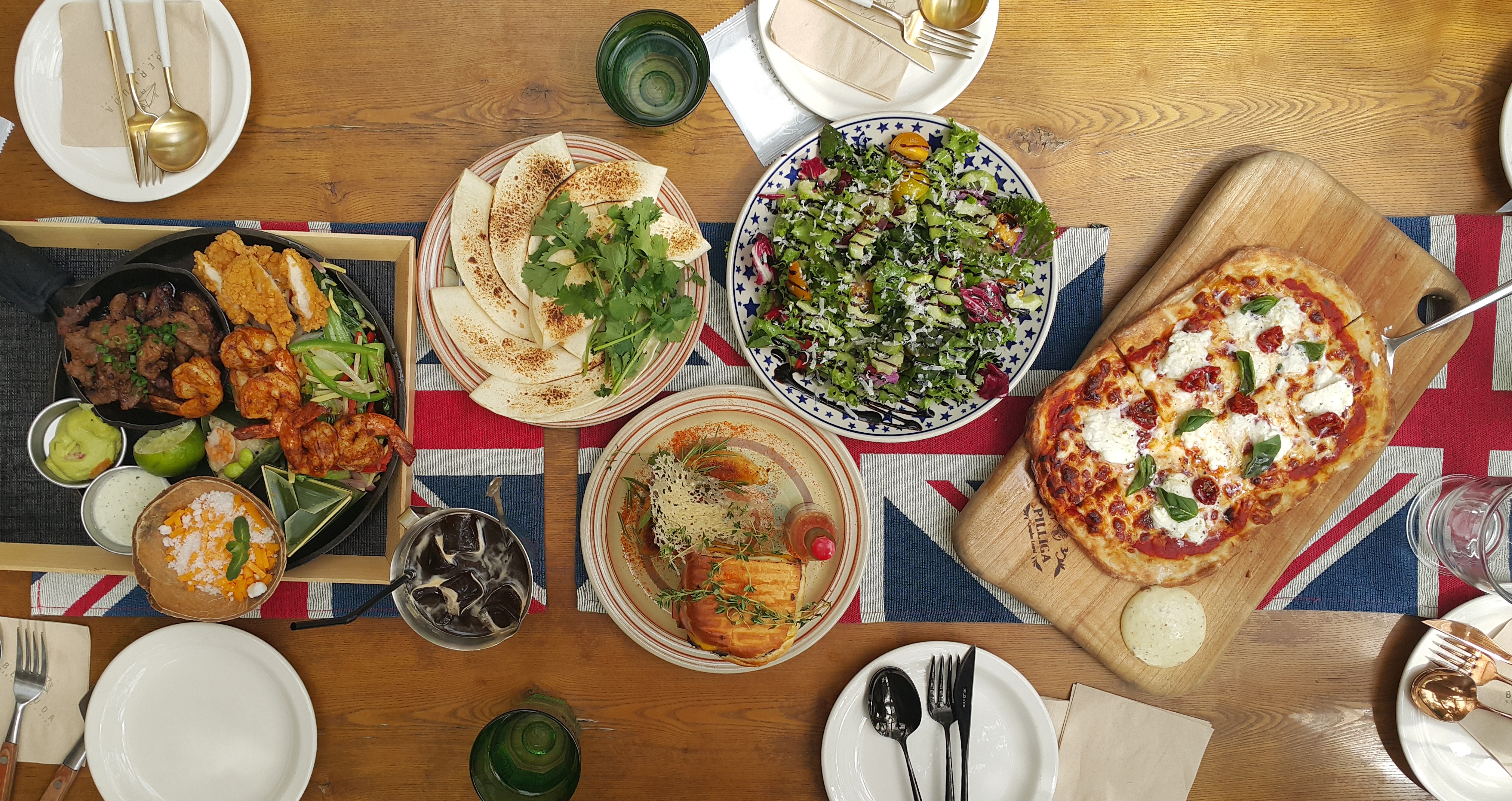
Polysaccharides are complex carbohydrates, integral to nutrition and energy metabolism, that consist of long chains of monosaccharide units. When considering common foods such as cake, sugar, berries, and pasta, it is essential to evaluate their polysaccharide content to understand not only their nutritional implications but also their roles in culinary practices. This examination will delve into the specifics of each food group, elucidating the presence and significance of polysaccharides therein.
Cake: A Study in Carbohydrate Composition
Cakes are primarily composed of refined flour, sugar, eggs, and fats. The predominant polysaccharide present in cake is starch, which significantly contributes to its texture and structure. Starch, a polysaccharide formed by the polymerization of glucose units, involves amylose and amylopectin components. The way starch gelatinizes during baking contributes to the cake’s moisture retention and palatability. However, the sugar added to cakes is largely comprised of sucrose, a disaccharide, thus limiting the overall polysaccharide content of the finished product. While cakes may not be the foremost source of polysaccharides, the starch content from flour still plays a pivotal role in the overall product.
Sugar: A Misconception of Complexity
Sugar, particularly in its common form as granulated sucrose, is often misconstrued within the domain of carbohydrates. Sucrose is a disaccharide rather than a polysaccharide and thus is excluded from the classification under polysaccharides. It is important to delineate that, while sugar itself does not contribute significantly to polysaccharide dietary intake, it is important to consider its effects on health and its role within food compositions. The reliance on sugar as a sweetening agent elevates the palatability of various foods, contributing to culinary traditions across cultures. However, excessive intake may overshadow the benefits acquired from polysaccharides found in more complex carbohydrate sources.
Berries: A Nutrient-Dense Option
Berries, encompassing a variety of species such as strawberries, blueberries, and raspberries, present a rich array of health benefits. While their composition is chiefly recognized for vitamins, minerals, and antioxidants, they also contain polysaccharides, notably pectin. Pectin is a soluble fiber, often utilized in the culinary world for its gelling properties in jams and jellies. This polysaccharide contributes to digestive health and glycemic regulation. The enjoyment derived from berries extends beyond their flavor profile; their polysaccharide content offers substantial health advantages, engendering a deeper appreciation for their incorporation into diets.
The fascination with berries often lies within their dual role as both a delectable addition to dishes and a source of dietary fiber. This interplay between taste and health benefits engages the consumer on multiple levels, rendering berries not only a culinary delight but a vital component of a health-conscious diet.
Pasta: The Carbohydrate Powerhouse
Pasta represents a quintessential staple in many cultures, revered for its versatility and functionality in various culinary traditions. Comprised primarily of semolina flour, pasta is a salient source of carbohydrates, primarily in the form of starch. The cooking process involves the hydrolysis of starch granules, resulting in a texture that is palatable and digestible. Here, the polysaccharide content is substantial, making pasta a formidable source of energy.
In recent years, the advent of whole grain and legume-based pastas has garnered attention, further diversifying the polysaccharide landscape. Whole grain pasta contains more fiber and nutrients, underscoring a shift towards healthier eating habits; the complex carbohydrates present offer prolonged energy release and enhanced satiety. This change speaks volumes about the evolving appreciation for nutritional density in dietary choices.
Comparative Analysis
When assessing which food category predominantly features polysaccharides, pasta unequivocally emerges as the champion due to its extensive starch content. In contrast, cakes, while containing starch, rely heavily on simpler carbohydrates such as sugars for sweetness and texture. Berries occupy a unique space; they provide polysaccharides in the form of pectin, yet their primary appeal lies within their nutritional richness rather than carbohydrate content.
An intriguing observation arises when considering the culinary applications of these foods. Pasta serves as a foundation for countless dishes, while cake functions primarily as a celebratory dessert. Berries, on the other hand, can transition between savory and sweet applications, showcasing their versatility. This multifunctionality not only reflects cultural preferences but also underlines the importance of polysaccharides in shaping culinary traditions.
Conclusion
In summary, while pasta emerges as the primary source of polysaccharides among the discussed foods, each category holds a distinctive place within diets and cuisines. Cakes, while not optimal for polysaccharide intake, highlight the importance of starch in baked goods. The inherent health benefits of berries augment their role in culinary practices, allowing for a balance of taste and nutrition. The relationship between these foods and their polysaccharide content warrants a deeper exploration, not simply for nutritional science but also for the cultural narratives they embody. Each food, laden with complex carbohydrates, evokes a sense of compulsive fascination that is deeply rooted in our collective culinary journey.

Leave a comment