

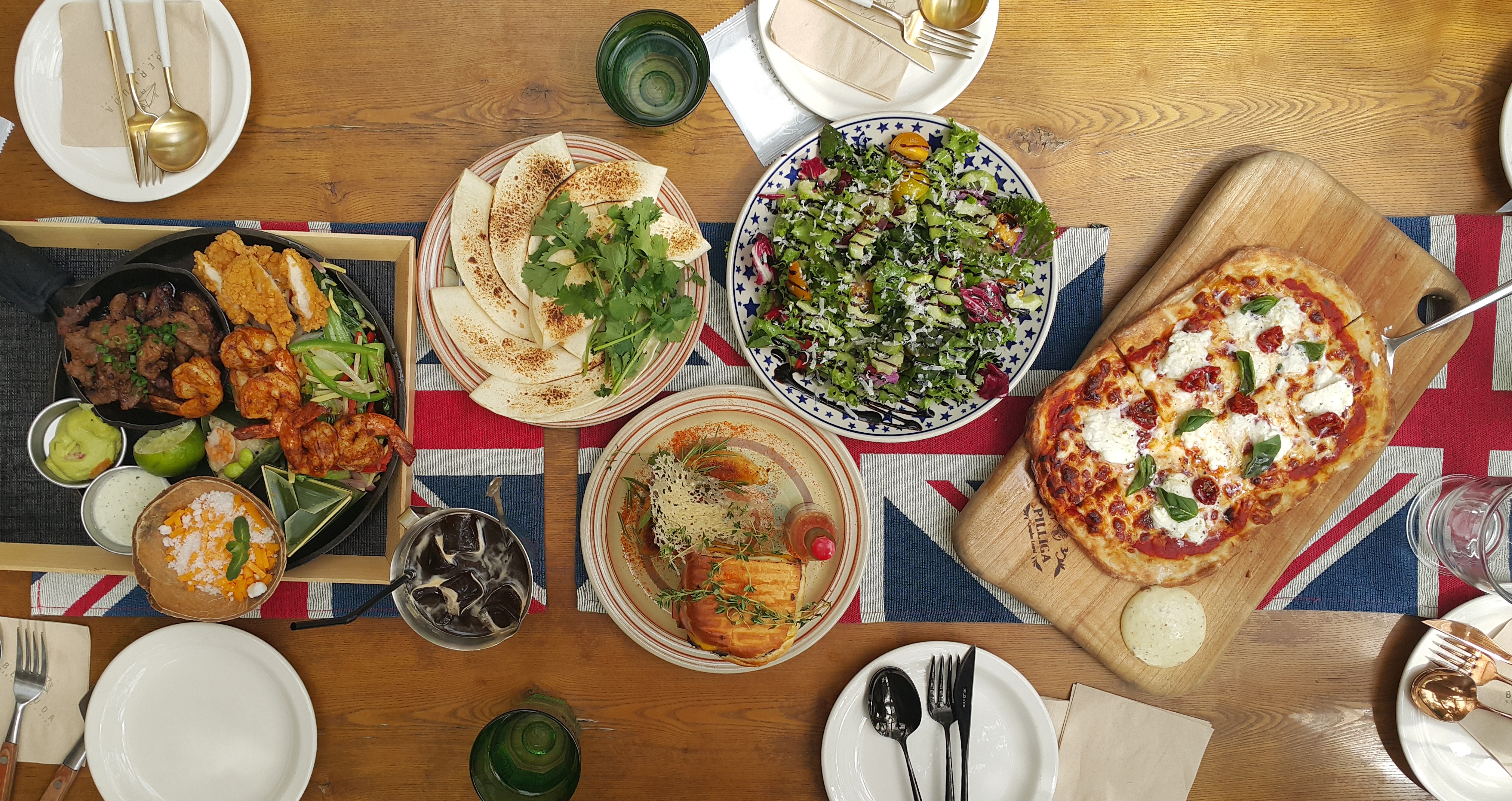
Throughout culinary cultures worldwide, the practice of eating with bare hands has forged an indelible connection between the consumer and the consumed. This tradition transcends mere sustenance, invoking a sensory experience that encompasses taste, texture, and even the aromatic nuances that waft through the air. An intriguing inquiry arises— which food items may be appropriately handled without utensils, and what deeper societal or psychological implications underlie this practice? This exploration delves into various food categories that are habitually engaged with bare hands, revealing both pragmatic and culturally rich perspectives.
To commence this investigation, one must first acknowledge the different classifications of food items that lend themselves well to hand consumption. Fruits and vegetables, particularly those that are eaten raw, occupy a prominent position. Consider the apple or the carrot: their robust shape and natural textures facilitate easy gripping while enabling one to relish their crispness. Additionally, fruits like bananas, which possess a natural encasement in their peel, invite consumers to engage in a tactile experience directly connected to the act of nourishment.
As one navigates through varied culinary landscapes, it becomes clear that specific food items are designed with hand consumption in mind. The hand-held sandwich exemplifies this notion exceptionally well. Originating as a pragmatic means to transport ingredients between two slices of bread, the sandwich has evolved into a multifaceted culinary delight. Each ingredient—be it succulent meats, tangy condiments, or fresh vegetables—combines to form a compact entity, inviting individuals to partake in an artisanal experience of flavors and textures.
Another archetypal food that thrives in a bare-handed context is the taco. Originating from Mexican cuisine, the taco is a staple of simplicity and satisfaction. Comprising a tortilla cradling an array of fillings, from marinated meats to vibrant salsas, each bite is a celebration of culinary diversity. The tortilla serves as more than a vessel; it provides a tactile element, engaging the diner’s senses while offering an opportunity for experiential enjoyment.
Furthermore, finger foods, often celebrated at social gatherings, spotlight the intrinsic value of handling food sans utensils. Items such as chicken wings, mozzarella sticks, or spring rolls create an atmosphere of conviviality, encouraging community bonding through shared experiences. The act of sharing these delightful morsels fosters an ineffable connection among diners, wherein the physicality of consuming food largely enhances the flavor of the experience.
Delving deeper, one encounters cultural traditions that embrace barehanded eating as an essential practice. In regions such as the Middle East and parts of Africa, meals often commence with communal platters of food, beckoning individuals to eat with their hands. This practice is rich with symbolism, implying trust and camaraderie among participants. Dishes like biryani or injera naturally encourage this communal approach, wherein diners partake of another’s culinary creations, further cementing communal ties.
Exploring the concept of tactile engagement, one discovers how touching food elicits heightened sensory responses. Studies in gastronomic psychology suggest that engaging with food using one’s hands amplifies satisfaction levels, potentially leading to a more gratifying eating experience. This phenomenon may be attributed to the direct contact that hands have with the food, enhancing perceptions of freshness, flavor, and overall enjoyment.
Additionally, certain foods are inherently engineered for barehanded consumption due to their unique properties. The structure of grilled corn on the cob, for instance, allows for one to navigate its shape effortlessly while savoring its tender, buttery kernels. The mere act of holding such a food item often evokes a sense of nostalgia, conjuring memories of summer barbecues or festive gatherings, reinforcing the idea that the act of eating with hands extends beyond sustenance into the realm of cherished experiences.
However, the question remains—what tantalizes the human psyche to eschew utensils? Perhaps it is a primal instinct, a call back to ancestral consumption habits. In a contemporary context, choosing to eat with one’s hands can be perceived as a rebellious act against the formalities imposed by modern dining etiquette. This shift may resonate particularly with millennials and Gen Z, who increasingly seek authenticity in their eating experiences, craving connections that are visceral rather than transactional.
In conclusion, the foods that may be handled with bare hands are not merely edible entities. They are conduits through which we connect with one another, immerse ourselves in cultural narratives, and indulge in pleasurable sensory enjoyment. Whether it be the refreshing crunch of a carrot, the succulent allure of a taco, or the conviviality of finger foods, engaging with our sustenance using our hands fulfills a primal need for connection, reflection, and experience in the culinary realm. In a world where digital interactions often eclipse tangible connections, perhaps it is worth rekindling the joy of barehanded eating, allowing for a more profound appreciation of the artistry involved in food creation and consumption.

Leave a comment