

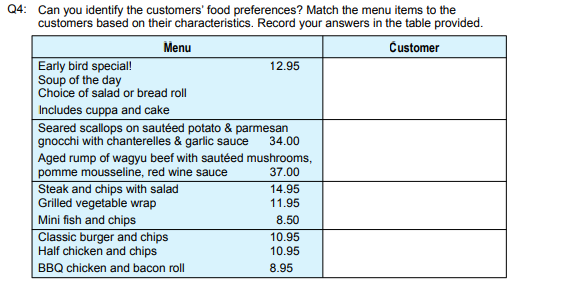
In the ever-evolving landscape of gastronomy, discerning which foods may be reserved for customers requires an exploration of various elements including culinary trends, cultural implications, and market dynamics. As consumer preferences shift, so too does the availability and promotion of certain food items. This article endeavors to illuminate the intricacies surrounding these culinary selections and their implications for both patrons and establishments.
1. Culinary Trends Shaping Customer Preferences
Modern dining experiences are profoundly influenced by culinary trends. From plant-based diets to fusion cuisines, the food industry is witnessing an incessant transformation. For instance, the ascendancy of veganism has propelled a new category of products into the limelight. Foods that were once niche are now being prominently featured on menus. Establishments that embrace these trends often reserve specific items to tantalize the palates of health-conscious consumers seeking alternatives to traditional dishes.
Moreover, the rise of artisan and locally-sourced ingredients can profoundly impact which foods are deemed desirable. Customers increasingly demand transparency regarding the origins of their meals, prompting restaurants to reserve seats at the table for farm-to-table offerings. This shift not only enhances the dining experience but redefines the relationship between consumers and their food.
2. Cultural Influences on Food Reservation
Each culture carries its own set of culinary traditions, which profoundly influence customer expectations. For example, Mediterranean diets rich in olive oil, fresh vegetables, and seafood are becoming increasingly popular beyond their geographic boundaries. Restaurants willing to explore these cultural nuances can create menus that resonate deeply with diverse clientele. Customers are often intrigued by authentic experiences that showcase traditional recipes or locality-based specialties, prompting chefs to reserve select dishes that celebrate cultural heritage.
Cuisines also serve as a medium for storytelling, presenting dishes that encapsulate historical significance and evoke nostalgia. Reservation of certain foods can, therefore, serve a dual purpose: nourishing the body and enriching the soul with tales of origin, preparation, and significance. This melding of food and culture fosters a sense of belonging and connection among patrons.
3. The Economics of Food Reservations
From an economic standpoint, the cost of ingredients and consumer spending habits play critical roles in determining which foods are reserved for customers. With the rise of sustainable practices, many establishments advocate for ethical sourcing and seasonality, but these practices may incur higher costs. As such, certain items may be priced at a premium, making them exclusive delicacies only accessible to discerning customers.
Menu engineering also comes into play here. Chefs often design dishes that not only appeal to the taste buds but also ensure profitability. Limited-time offers or seasonal specials can create a sense of urgency, enticing customers to order dishes that are reserved for a short period. This strategy not only optimizes inventory management but also stimulates customer engagement through anticipation and exclusivity.
4. The Role of Dietary Restrictions
In today’s diverse culinary landscape, dietary restrictions necessitate careful consideration when deciding which foods to reserve for customers. With the prevalence of allergies and intolerances, restaurants are compelled to provide alternatives that cater to gluten-free, nut-free, or dairy-free patrons. Menu flexibility becomes a hallmark of customer service. By reserving specific items that accommodate dietary concerns, establishments can foster inclusivity and ensure that every patron feels considered and valued.
Furthermore, the burgeoning trend of personalized dining experiences underscores the importance of food reservation. Chefs who engage with customers about their dietary preferences are more likely to reserve custom options, creating bespoke meals that align with individual tastes. This tailored approach engenders a deeper connection between the diner and the cuisine, heightening satisfaction and encouraging repeat patronage.
5. Technological Influence on Food Reservation
The advent of technology has revolutionized the food industry, impacting how foods are reserved and perceived. Online ordering platforms and mobile applications have redefined customer expectations. Diners now anticipate swift and efficient service, often leading establishments to reserve specific menu items that can be prepared and delivered promptly. This admiration for convenience translates to a willingness to explore new culinary offerings that can be enjoyed at home.
Moreover, social media amplifies the allure of exclusive culinary experiences. Photogenic dishes, often referred to as “Instagrammable,” become part of the food marketing ethos. Establishments may reserve visually striking dishes with unique presentations to enhance their social media presence. This tactic not only appeals to customers’ desires for novel experiences but also engenders brand loyalty fueled by shareable moments.
6. Customer Feedback and Adaptation
Listening to customer feedback remains an indispensable facet of any successful food reservation strategy. Establishments must remain agile, constantly adapting their menus based on consumer desires and complaints. Engaging with patrons and soliciting their insights can unveil previously unexplored appetites and preferences. Such responsiveness demonstrates a commitment to service, fostering goodwill and a sense of community.
In summary, the selection of foods that are reserved for customers is a multifaceted endeavor, shaped by a confluence of culinary trends, cultural affinities, economic considerations, dietary needs, technological advancements, and customer feedback. A refined understanding of these elements can illuminate the path towards creating a dining experience that is not only enjoyable but also memorable. By embracing this intricate interplay of factors, chefs and restaurateurs can navigate the complex landscape of consumer tastes and preferences, ultimately leading to culinary success and customer satisfaction.

Leave a comment