

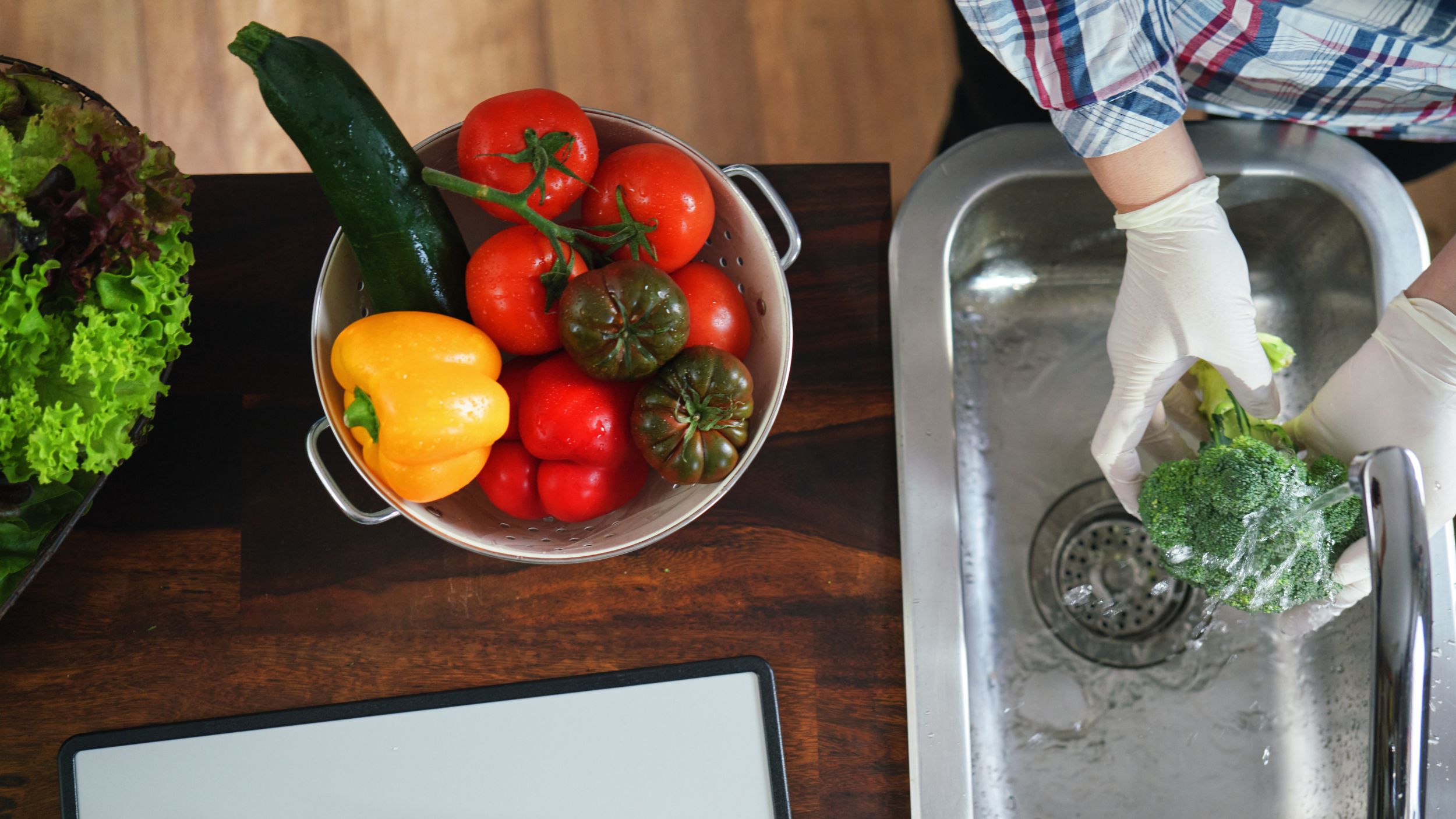
Food safety is an essential component of public health that often raises the question: “Which food safety practice will prevent biological hazards?” At the heart of this inquiry lies a myriad of practices designed to mitigate risks associated with pathogens, allergens, and contaminants in our food supply. With the increasing complexities of food production and distribution, it becomes paramount to discern which method is most effective in safeguarding the integrity of our meals.
It begins with an exploration of biological hazards themselves. Biological hazards encompass a variety of microorganisms, including bacteria, viruses, and parasites, that may contaminate food and pose significant health risks. The Centers for Disease Control and Prevention (CDC) estimates that millions of Americans fall ill each year due to foodborne illnesses, spotlighting the critical need for preventive strategies. To orchestrate a formidable line of defense against these hazards, several food safety practices emerge as pivotal.
1. Adherence to Proper Hand Hygiene
What could be simpler than washing your hands? Yet, the implementation of meticulous hand hygiene is often overlooked. Food handlers must wash their hands frequently, particularly before and after handling food, after using the restroom, and after handling raw meat. This practice is fundamental in dislodging potentially lethal pathogens that may reside on the skin. The effectiveness of hand hygiene is magnified when complemented by the use of antiseptic agents, which can provide an additional layer of protection against microbial transfer.
2. Cooking Food Thoroughly
When was the last time dinner was prepared to perfection? Cooking food to the meticulously recommended internal temperatures is not merely a culinary suggestion but a vital safety measure. Each type of food, whether it be poultry, beef, or seafood, possesses specific thermal thresholds that must be attained to eliminate harmful organisms effectively. Utilizing food thermometers can serve as an indispensable tool in ensuring that these temperatures are met, transforming cooking into a scientific endeavor.
3. Vigilant Refrigeration Practices
Have you ever wondered how quickly perishable items spoil? The importance of refrigeration cannot be overstated. Refrigerators operate best at temperatures below 40°F (4°C) to hinder the proliferation of microorganisms that thrive in warmer conditions. A systematic approach is required: regularly monitoring appliance temperatures, promptly storing leftovers, and ensuring the separation of raw and cooked foods can drastically reduce the risk of cross-contamination and bacterial growth.
4. Employing Sanitation Measures
Are we truly as clean as we think? The surfaces and utensils used in food preparation can serve as repositories for unwanted pathogens if not sanitized correctly. A regimen involving regular cleaning of all food contact surfaces with appropriate sanitizing solutions can eradicate the remnants of biological contaminants. This practice extends beyond kitchens—restaurants and commercial establishments must uphold rigorous sanitation standards to ensure public safety.
5. Understanding Cross-Contamination
Could your cutting board be a silent culprit? Cross-contamination is a slippery slope in food safety, occurring when pathogens are transferred from one surface to another, typically from raw to cooked foods. Implementing a color-coded system for cutting boards, where specific boards are designated for certain types of food, can drastically minimize the risk. Moreover, proper washing of hands, surfaces, and utensils between different food preparation tasks is paramount. Awareness of this practice is essential for anyone who prepares food.
6. Regular Training and Education
Is knowledge truly power in the realm of food safety? Absolutely. Regular training and continuing education for food handlers regarding safe practices and new regulations can serve as an effective bulwark against biological hazards. Workshops and seminars can enlighten staff about emerging microorganisms, the significance of hygiene, and innovative safety advancements, ultimately fostering a culture of conscientious food handling.
7. Active Monitoring and Documentation
Can you imagine the chaos of an unmonitored kitchen? The implementation of a rigorous monitoring and documentation system allows for proactive identification of potential hazards. Logbooks detailing temperature checks, handwashing times, and cleaning schedules can serve as both a safety net and a tool for accountability. This practice not only remedies lapses in safety protocols but also provides a reference for future training and audits.
8. Engagement with Supply Chain Partners
How do we ensure that our food continues to be safe after it leaves our hands? Collaboration with suppliers and producers is crucial in maintaining food safety throughout the supply chain. Establishing partnerships that prioritize adherence to safety standards, proper handling, and quality control measures can effectively address biological hazards long before food reaches consumers’ tables.
Conclusion
The multi-faceted approach to food safety, particularly surrounding the prevention of biological hazards, underscores the necessity of diligence and education. From hand hygiene to thorough cooking and effective training, each practice serves as a pillar in the structure of food safety. As the world becomes increasingly interconnected, understanding and implementing these practices becomes not just a responsibility, but a vital commitment to public health. Hence, the question transforms from “Which food safety practice will prevent biological hazards?” to “Are we prepared to embrace these practices and safeguard what we consume?”

Leave a comment