

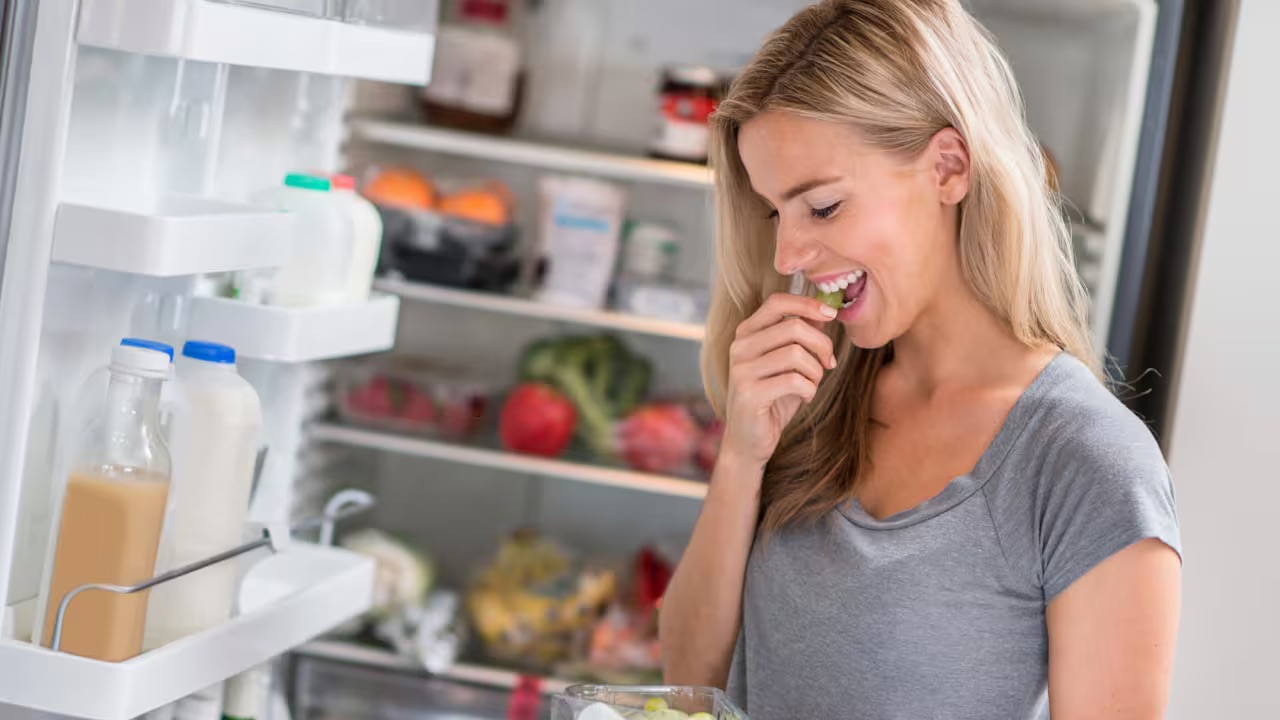
When it comes to refrigeration, proper organization is paramount. The arrangement of food within your refrigerator is not merely a question of space; it can significantly impact food preservation, safety, and freshness. Have you ever wondered why certain foods seem to spoil faster than others? The answer often lies in their placement in the fridge. Understanding which food items should be stored above others can redefine your approach to food storage. Let us delve into the intricate tapestry of refrigeration management, illuminating the priorities that govern this essential practice.
Before embarking on our exploration, consider the temperature zones that exist within a refrigerator. Generally, the coldest areas are at the bottom, while the warmer spaces tend to be near the top. This temperature gradient directly influences how you should organize your foods. Additionally, awareness of ethylene production—an enzyme released by certain fruits that hastens ripening—further complicates the symbiosis of food storage. Armed with this knowledge, we can now unravel the compelling reasons behind strategic food placement.
The upper shelves of a refrigerator are typically the warmest, making them ideal for items that are less sensitive to slight changes in temperature. Milk and beverages flourish in this environment, as they usually require consistent cooling but are not as particular as other perishables. By placing dairy products above, not only is accessibility enhanced, but the risk of spoilage is minimized, as the cold air from the fan distributes evenly downwards.
Following closely behind, prepared foods and leftovers deserve prime real estate on the upper shelves. These items, often already cooked and simply needing reheating, benefit from the more stable temperatures. Furthermore, having them visibly top the shelves encourages consumption, reducing the likelihood of waste. A well-planned meal storage strategy can save time and money while promoting a culture of responsible eating.
Conversely, what items should we relegate to the lower shelves, where the crisp, cold air reigns supreme? Raw proteins, encompassing meat, poultry, and seafood, should always occupy the bottom compartments. These items are prone to microbial growth, and the colder temperatures afforded by the lower shelves inhibit such proliferation. Additionally, storing these items in a separate area can mitigate the risk of cross-contamination, safeguarding the culinary quality of other foods.
In addition to proteins, perishable vegetables should also claim a spot at the refrigerator’s base. Leafy greens, cruciferous vegetables like broccoli, and other delicate produce thrive in the cool and humid conditions of the vegetable crisper. When vegetables are stored incorrectly, they not only decay more quickly, but they can also transmit moisture and gases that may spoil adjacent items. This demonstrates a clear imperative in the hierarchy of food storage: proper placement can significantly extend the life of these healthful essentials.
The door shelves, that often underappreciated area, typically experience the warmest temperatures and should be reserved for condiments, sauces, and other items that are not overly sensitive to slight temperature fluctuations. Ketchup, mustard, and salad dressings are perfect candidates for this space, given their resilience to varying temperatures. Moreover, flavor-enhancing ingredients like pickles and olives thrive here, conveniently within reach for culinary enhancements.
Now turning our attention to fruit, the subject of ethylene production is crucial. Fruits such as bananas, avocados, and tomatoes should never be stored alongside ethylene-sensitive vegetables, as the latter will spoil more rapidly in their presence. Instead, fruits should ideally inhabit the crisper drawer on their own, where they can be kept dry and well-ventilated. This strategic separation not only prolongs the shelf life of your fruits but also ensures that vegetables endure a simultaneous longevity.
This meticulous arrangement is not merely a suggestion, but an essential protocol that facilitates an overarching goal—minimizing waste while maximizing the freshness of all items within the refrigerator. The logistics of food storage can be summed up succinctly: place delicate items where they are most protected from temperature variance, segregate items based on ethylene production, and utilize the natural cooling properties of the refrigerator to your advantage.
It is also wise to periodically assess the contents of your refrigerator. Familiarity with expiration dates and the life cycles of various foods can enhance your organizational strategy. Some may advocate for a labeled system; this not only captivates the eye but serves as a gentle reminder of consumable timelines.
In conclusion, the question of which food should be stored above the others transcends mere categorization—it exemplifies an art of culinary management that combines science and practicality. By understanding the subtle dynamics of temperature, moisture, and chemical interactions among food items, one can masterfully orchestrate a storage strategy that ensures freshness, food safety, and sustainable consumption. Embracing this intricate dance of refrigeration may very well redefine your culinary experience, fostering an appreciation for the delicate balance between care and convenience in food storage.

Leave a comment