

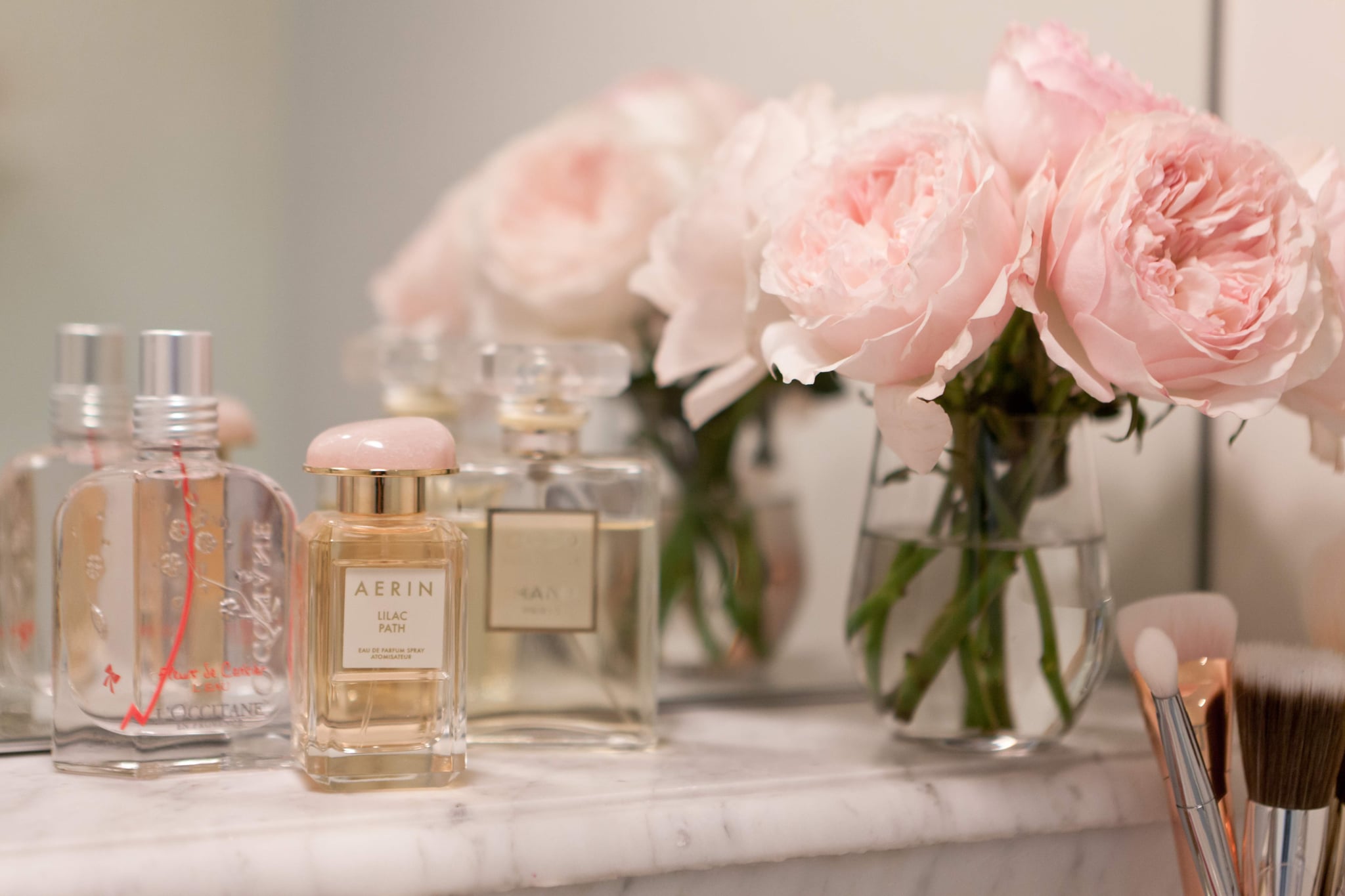
Fragrance, an art form that captivates the senses and evokes deep emotions, varies immensely in its longevity. While many often find themselves entranced by the alluring scents, the quest for a fragrance that endures throughout the day is a common pursuit. The question looms: which fragrance can truly last longer? To decipher this aromatic enigma, one must delve into the complex interplay of concentration, composition, and application methods. Let us embark on a thorough exploration, unraveling the best-kept secrets of lasting scents.
At the foundation of a fragrance’s longevity lies its concentration. Fragrance classifications range from parfum (or extrait de parfum), which possesses the highest concentration of fragrance oils, to eau fraiche, noted for its lightness and fleeting presence. Parfum typically comprises 20% to 30% perfume oil, resulting in a scent that lingers for eight hours or more on the skin. Conversely, eau de parfum contains around 15% to 20% oil, offering a robust scent that still manages to retain some delicacy.
Eau de toilette, on the other hand, is diluted to about 5% to 15% oil, providing a lighter perfume experience that can necessitate reapplication after a few hours. If one desires maximal longevity, parfum should certainly be the fragrance of choice. However, for the olfactory connoisseur seeking a balance between scent and subtlety, eau de parfum might serve as a viable alternative.
Equally critical is the composition of the fragrance itself. Fragrances are essentially complex concoctions composed of top, middle, and base notes that develop over time. Top notes are transient, delighting the senses immediately upon application, while heart notes emerge as the fragrance evolves, creating a symphony of aromas that unfold beautifully. The base notes, the backbone of the fragrance, are known for their persistence, often remaining on the skin for hours. Therefore, fragrances rich in deep, resinous, and woody base notes—such as amber, sandalwood, and patchouli—tend to offer longer-lasting results. In comparison, fragrances dominated by fresh, fruity, or herbal notes may dissipate more quickly.
The myth of skin type and its influence on fragrance longevity cannot be underestimated. Each individual’s skin chemistry is a unique tapestry, affected by factors such as hydration, pH, and even dietary choices. Oily skin often retains fragrances longer than dry skin, as oil acts as a reservoir, subtly releasing the scent throughout the day. Conversely, individuals with dry skin may find fragrances evaporate swiftly. To combat this, one might consider moistening the skin with an unscented lotion prior to applying fragrance, thereby enhancing its lasting ability.
Another important aspect to consider is the method of application. To achieve maximum longevity, fragrance should ideally be applied on pulse points—areas where blood vessels are closest to the skin, such as the wrists, neck, and behind the ears. Additionally, strategic layering can bolster scent persistence, whereby one applies a matching scented body lotion or oil in conjunction with the perfume. This creates olfactory synergy and amplifies the scent profile, ensuring that its presence is felt for longer periods.
Seasonality and environmental factors also play a role in fragrance longevity. For instance, warmer temperatures can intensify and expand fragrances, allowing them to be perceived more strongly, yet they can also lead to an accelerated evaporation rate. Similarly, fragrances with heavier notes thrive in cooler temperatures, providing a comforting aroma that endures during the chilly months. Thus, understanding the seasonal context in which a fragrance is applied can enhance its lasting power.
Consider the power of layering scents. Many perfumers advocate the technique of “scent layering,” which requires combining complementary fragrances or infusing lighter scents into heavier ones to create a bespoke aroma. For those who wish to experiment with this technique, it’s recommended to start with a base scent, add heart notes, and round off with airy top notes for complexity, thus charting a path toward an enduring signature scent.
The quest for longevity has also given rise to the burgeoning popularity of fragrance mists and body sprays, which can be employed to reinforce the primary fragrance during the day. These lighter alternatives can be reapplied liberally, yielding refreshing bursts of aroma without overwhelming the senses. However, while they can offer pleasant enhancements, it’s paramount that the primary fragrance is of a high quality to ensure enduring essence remains paramount.
Furthermore, understanding the impact of storage cannot be overlooked. Exposure to light, heat, and humidity can prematurely degrade fragrance compositions. To preserve its integrity, it is recommended that fragrances be stored in a cool, dark place, preferably in their original bottles, which are designed to protect the exotic concoctions within.
Ultimately, the exploration of longevity in fragrance requires an appreciation of not only the material aspects—the concentration, composition, application methods, skin chemistry, and environmental influences—but also the idiosyncrasies of personal preference. The pièce de résistance for discerning our beloved long-lasting scents lies in a myriad of factors. As you embark on your sensory journey through the world of fragrances, consider the elevated possibility of a profound auditory experience that is not only captivating but endures—both in essence and memory.

Leave a comment