

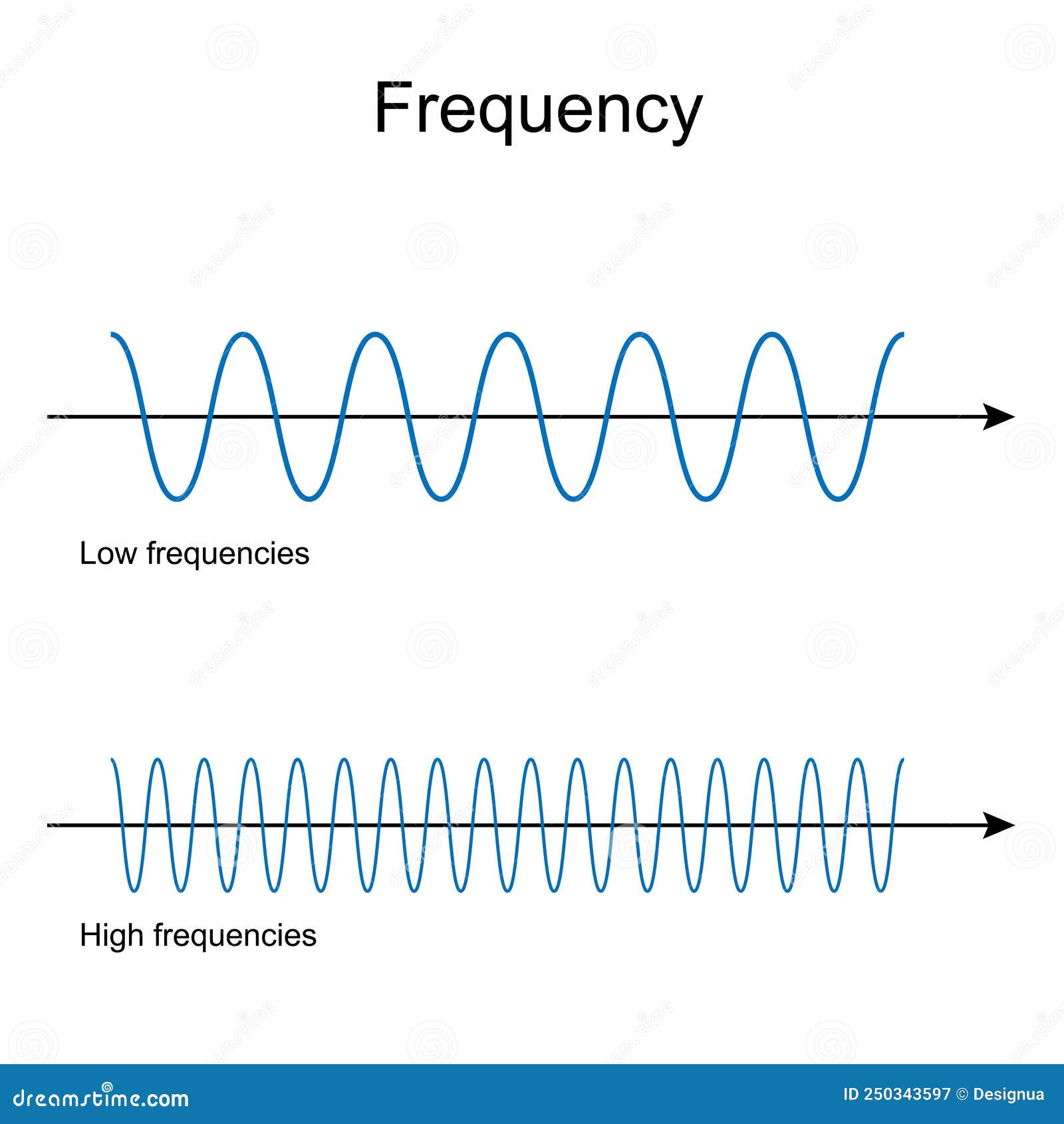
In the realm of sensory perception, the study of how various species interpret their environment unveils fascinating differences that challenge human assumptions. One compelling facet of this inquiry revolves around the visual capabilities of felines—those enigmatic companions that roam our homes and imaginations. This article dives into the intricate dynamics of night vision in cats compared to humans, focusing particularly on the frequencies of light they can perceive.
Biologically, the human eye comprises three types of cone cells, enabling the perception of colors within the spectrum of approximately 380 to 750 nanometers. However, when it comes to cats, their ocular structure is adapted to thrive under low-light conditions, offering advantages that extend beyond mere color differentiation. With a higher density of rod cells—responsible for low-light vision—cats are equipped to see in environments where humans struggle to discern shapes and movements.
When pondering the capability of cats at night, one must consider the specific range of light frequencies they can detect. Cats possess an acute sensitivity to wavelengths of light that lie just above the visible spectrum for humans. While humans largely operate within the confines of the visible light spectrum, cats can perceive wavelengths that extend further into the ultraviolet (UV) range, potentially as far down as 340 nanometers. This ability allows them to see patterns and markings on prey that are invisible to the human eye, thus enhancing their hunting prowess during nocturnal escapades.
The significance of UV light perception cannot be understated. In nature, certain flowers and the urine trails of prey emit UV reflections that help guide cats during the hunt. This unique adaptation also lends itself to the feline’s superior night vision. At night, when the ordinary ambient light dims, the reflective tapetum lucidum—a layer of tissue behind the retina—amplifies the available light, allowing felines to detect movement and shapes with incredible acuity. This adaptation enhances their ability to thrive as crepuscular hunters, primarily active during the twilight hours.
Moreover, while humans perceive colors across three primary wavelengths—red, green, and blue—cats’ vision operates on a more simplified spectrum. Felines predominantly discern shades of blue and green while showing diminished sensitivity to reds. This disparity leads to a unique visual experience; to a cat, what appears vibrant and colorful to a human may be rendered into a more muted palette. The colors they perceive are less about vividness and more about functionality—reflecting a survival instinct that prioritizes movement and subtlety over vivid color differentiation in low-light conditions.
Equally intriguing is the notion of motion perception. The feline eye is finely tuned to detect even the slightest movements in dim light. With a remarkable ability to track fast-moving objects—thanks to a temporal resolution more advanced than that of humans—cats can quickly and accurately gauge the trajectory of potential prey. This skill is not merely an incidental tribute to their status as predators but a fundamental aspect of their evolutionary success.
As we delve deeper into the contrast between feline and human vision, we must also consider the implications of artificial light in shaping these perceptions. The omnipresence of artificial sources alters the natural landscape, affecting the way nocturnal creatures behave and interact with their environments. In urban settings, where streetlights and neon signs dominate the night, the typical stimuli that guide a cat’s perception may become distorted or obscured, presenting challenges in navigation and hunting. Interestingly, cats, despite their extraordinary adaptations, are not immune to the effects of light pollution; their capacity to identify natural cues becomes diminished in such contexts.
The evolutionary narrative of the cat’s vision serves as a profound reminder of nature’s creativity and resilience. What might seem commonplace—such as the ability to see in darkness—becomes replete with significance when one considers the evolutionary pressures that shaped these biological adaptations. The differences between human and feline vision reveal not just variations in sensory perception, but also divergent ecological roles and survival strategies. Through the lens of comparative biology, one begins to appreciate the myriad ways life manifests itself in response to the challenges of existence.
As we conclude this exploration of feline and human night vision capabilities, a compelling question emerges: What other hidden adaptations exist in the animal kingdom that we may yet discover? The complex interplay of sensory perception across species invites continual inquiry, propelling us to challenge our biases and expand our understanding of the world beyond our own limited perspectives. Each revelation about sensory differences broadens the horizon of curiosity, igniting awe and wonder as we contemplate the marvels of nature. In a planet brimming with diverse forms of life, the delicate interplay of biology, environment, and behavior remains a captivating domain worthy of further exploration.
In essence, the diverging capacities of cats and humans to perceive frequencies of light not only illuminate the unique characteristics of each species but also serve as a profound reminder of the infinite adaptations life forms have undertaken in the dance of survival. Embracing these differences enriches our appreciation for the natural world, urging and inspiring us to remain vigilant stewards of the ecosystems we share.

Leave a comment