

In an era when technology contorts our understanding of convenience and connectivity, one intriguing question looms: “Which generation of Uconnect introduced Alexa Built-In services?” The integration of voice-activated capabilities into automotive systems signifies a pivotal shift in how drivers interact with their vehicles. However, delving into this query necessitates a comprehensive comprehension of the Uconnect system’s evolution, advancements in voice recognition technology, and the strategic partnership between automotive manufacturers and tech giants.
The Uconnect system, developed by FCA (Fiat Chrysler Automobiles) and now part of Stellantis, is an advanced in-car connectivity solution that was first introduced in 2003. Over the years, the system has undergone significant transformations, enhancing its functionalities with each variant’s release. Beginning from the introductory model, Uconnect has progressively evolved to meet the increasing demands and expectations of consumers. This progression raises a curious challenge: How do we pinpoint the exact generation that heralded the inclusion of Alexa Built-In services?
The journey begins with Uconnect’s earlier models, such as Uconnect 8.4, which debuted in 2013, showcasing a 8.4-inch touchscreen interface that allowed for basic infotainment features. This version marked the beginning of a new era for in-car systems, laying the groundwork for subsequent innovations, but it notably lacked the sophisticated voice-activated features that are now ubiquitous. It is evident that the birth of Alexa Built-In was collaborative in nature, relying on progress made in the realms of voice recognition and artificial intelligence.
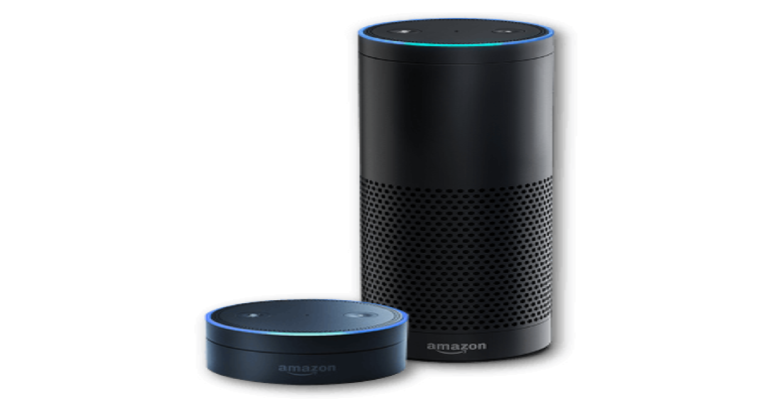
Fast forward to the introduction of Uconnect 5 in 2020, and the timeline of innovation accelerates dramatically. This generation stands out with its profound enhancements in user experience, including an intuitive interface and improvements in speed and responsiveness. It is here that Alexa Built-In services make their much-anticipated debut. But what does this truly signify for the user experience? The inclusion of Alexa enables drivers to access all the functionalities of Amazon’s voice assistant right from their vehicles. This raises a playful yet significant question: How does an intuitive voice assistant alter the dynamics of driving? Could it not also serve as a double-edged sword, enhancing convenience while simultaneously posing new distractions?
The Uconnect 5 system, featuring Alexa, allows users to interact with numerous functions such as navigation, music playback, and even smart home controls through voice commands. The breadth of this integration expands further when considering service management, enabling users to check their vehicle’s status, manage maintenance schedules, and even perform remote operations using simple voice prompts. In essence, the implementation of Alexa within Uconnect redefines not just convenience, but engagement, beckoning users into a realm where their vehicle is part of a larger ecosystem of connected devices.
Yet, the integration of such advanced technology does not come without its challenges. Firstly, the dependency on voice interactions raises important considerations regarding driver focus and safety. As beneficial as voice commands are, they can inadvertently lead to cognitive overload if not designed with user experience at the forefront. Moreover, one must consider privacy concerns that accompany voice-activated systems. How secure is the data being processed? Are drivers aware of the extent of data collection? These are questions that require thoughtful contemplation.
Another hurdle revolves around the technological infrastructure necessary to support such advanced functionalities. The Uconnect ecosystem must maintain a seamless connection with Amazon’s servers, ensuring that users can access Alexa capabilities without disruption. Any latency or connectivity issues could undermine the user experience, generating frustration for those who rely on immediate, hands-free assistance. Therefore, manufacturers must prioritize robust connectivity solutions to uphold the promise of an integrated voice experience.
As we navigate through the benefits and challenges presented by the Uconnect 5 system, it is essential to highlight its competitive positioning within the automotive sector. The incorporation of Alexa represents a significant strategic advantage, as it not only enriches the vehicle’s infotainment suite but also fortifies customer loyalty to the brand. Consumers are increasingly drawn to vehicles equipped with cutting-edge technology that simplifies their daily lives, and with the automotive industry in a state of flux due to electrification and automation, embracing advancements such as voice integration may prove crucial for manufacturers to remain relevant.
The evolution of Uconnect, culminating in the introduction of Alexa Built-In services, showcases a strategic alignment of automotive engineering and technological innovation. It is a compelling case study of how modern vehicles are transitioning from mere modes of transport to intelligent hubs of connectivity. As we embrace this new frontier, the challenge remains: How can manufacturers innovate responsibly, balancing the allure of advanced technology with the imperatives of user safety and privacy?
In conclusion, the generation of Uconnect that introduced Alexa Built-In services is undeniably Uconnect 5, unveiled in 2020. This seminal development has not only broadened the scope of in-car experience but has also initiated important dialogues surrounding safety, privacy, and the future of automotive technologies. As we accelerate into a more interconnected future, the implications of such advancements will continue to shape the fabric of how we engage with our vehicles and the world around us.

Leave a comment