

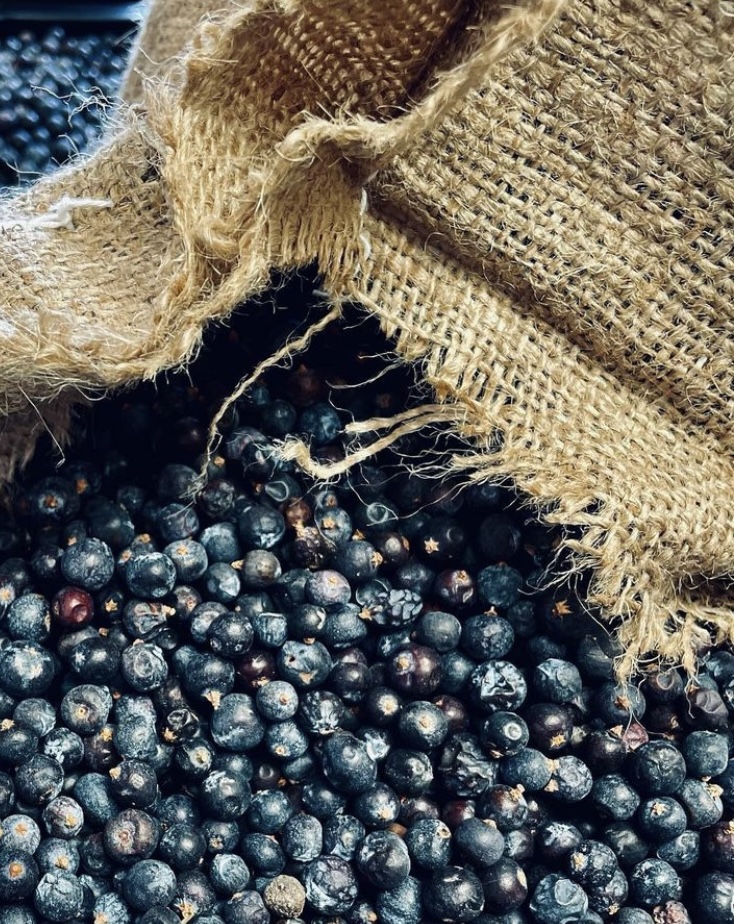
When delving into the world of gin, one cannot overlook the significance of juniper berries, the quintessential botanical that imbues this spirit with its distinctive flavor profile. The intricate interplay between juniper, other botanicals, and the distillation process can greatly influence a gin’s character. Consequently, it raises the question: which gin boasts the highest concentration of juniper berries? This inquiry invites exploration into the various types of gin, their production techniques, and how these factors interplay to enhance or mitigate the juniper essence.
To adequately address this question, it is imperative to first define the categories of gin that predominantly feature juniper. The most commonly recognized types include London Dry, Old Tom, and Navy Strength gins. Each classification offers a unique approach to the use of juniper, leading to flavor profiles that cater to a diverse palate.
1. London Dry Gin
London Dry gin is arguably the archetype of the gin spectrum. By definition, this style mandates that the gin be distilled to a high proof and infused with botanicals—including juniper—during the distillation process rather than post-distillation. The requirement for juniper to be the predominant botanical creates a robust and pronounced juniper flavor profile that is prized in classic cocktails such as the Martini and Gin and Tonic.
Among London Dry gins, brands like Beefeater, Tanqueray, and Bombay Sapphire are revered for their juniper-forward profiles. Beefeater, for instance, is known for its recipe that emphasizes a balanced yet bold juniper presence, creating a gin that is both versatile and aromatic. On the other hand, Tanqueray is celebrated for its distinctively pine-like character, which is derived from the substantial juniper content, making it a favorite for enthusiasts who seek a quintessential gin experience.
2. Old Tom Gin
Old Tom gin represents a historical style that serves as a bridge between the sweeter, herbaceous gins of the past and the drier iterations of contemporary gin. This style often features a higher sugar content, resulting in a sweeter taste that can somewhat mellow the prominence of juniper. Nevertheless, select producers of Old Tom gin emphasize juniper in their craftsmanship.
For instance, the Hayman’s Old Tom Gin is often cited as a quintessential representation of this category. It achieves a harmonious balance between sweetness and robust juniper flavor, making it an intriguing choice for cocktails like the Ramos Gin Fizz or the Tom Collins. Furthermore, the revival of Old Tom gin has encouraged more distillers to experiment, further enriching the category with various interpretations that still respect the juniper-driven heritage.
3. Navy Strength Gin
Navy Strength gin offers a unique exploration into the world of juniper. With an alcohol by volume (ABV) typically exceeding 57%, this style compels distillers to intensify all elements of flavor, including juniper. The high proof not only accentuates the juniper flavor but also unlocks the oils and essences of the botanical, enhancing its aromatic complexity.
A notable embodiment of Navy Strength gin is the Plymouth Navy Strength, which showcases a depth of juniper flavor characterized by a rich, maritime aroma. This style has gained traction among aficionados for its boldness and the unapologetically forward juniper presence, making it ideal for cocktails requiring a more robust spirit, such as the Negroni or the Gin Fizz.
4. Craft Gins and Regional Variations
The craft gin movement has revitalized the spirits industry, pushing the boundaries of traditional gin-making. A multitude of craft distillers now offer unique interpretations of gin, with a fervent focus on the role of juniper. Notably, certain craft gins go beyond conventional botanical combinations, showcasing local juniper varietals that impart distinctive flavor nuances, which can vary significantly based on the origin of the ingredients.
For example, the St. George Terroir Gin employs sustainably harvested wild juniper berries from California, producing an evocative expression of the region’s terroir. The ethereal juniper notes, paired with other botanicals sourced from the surrounding environment, illustrate how regional variations can culminate in an elaborate juniper-forward gin experience.
5. Beyond Juniper: The Role of Other Botanicals
While juniper remains a focal point in gin production, it is essential to understand the role of other botanicals that contribute to the overall taste experience. Traditionally, gin can contain an array of flavors, from citrus peels to spices, all of which can either complement or compete with the juniper profile. As a result, gins that feature a broader spectrum of botanicals may present a more nuanced juniper presence that may not be immediately apparent.
Gins such as Hendrick’s exemplify this notion, utilizing an unconventional mix of botanicals, including rose and cucumber, to create a refreshing yet complex profile. In such cases, the juniper flavor may be prominent, albeit softened by the surrounding botanicals, granting a different interpretation that may appeal to diverse palates.
Conclusion
The quest to identify which gin has the most juniper berries ultimately hinges on several factors, including the style of gin, production methods, and the interplay of various botanicals. While brands such as Tanqueray and Beefeater emerge as quintessential juniper-forward champions in the London Dry category, an array of other expressions—from craft labels to historical styles—offer an exciting exploration into the juniper experience. Ultimately, the ideal gin will depend on personal preference and the desired flavor complexity, but it is the juniper berry that bridges every fascinating bottle in the world of gin.

Leave a comment