

Have you ever pondered which biomes boast the highest levels of biodiversity? Perhaps you wonder how such diversity impacts ecological dynamics. These questions drive ecologists to explore not only the variety of life forms within each biome but also the complex interactions that occur in these environments. In this exploration, we will delve into the intricacies of four primary biomes renowned for their biodiversity: tropical rainforests, coral reefs, temperate forests, and savannas. Each of these biomes presents a rich tapestry of living organisms, each playing a crucial role in their respective ecosystems.
First, let’s consider the tropical rainforest. Often heralded as the epitome of biodiversity, tropical rainforests house an astonishing array of flora and fauna. These ecosystems cover approximately 6% of the Earth’s surface yet they are home to more than half of the planet’s terrestrial species. The constant warm temperatures and high annual rainfall create optimal conditions for a plethora of species. In this biome, vertical stratification—ranging from emergent trees to the forest floor—facilitates distinct niches. The intricate web of life includes towering trees, vibrant orchids, all manner of insects, and diverse animal species from sloths to jaguars. Each organism, no matter how small, contributes vitally to maintaining ecological balance. The challenge lies in protecting these environments, as deforestation threatens their delicate structure.
Next, we turn our attention to coral reefs, another treasure trove of biodiversity. Often referred to as the rainforests of the sea, coral reefs are intricate ecosystems formed from the calcium carbonate structures laid down by coral polyps. Found primarily in warm, shallow ocean waters, they support over 25% of all marine species. These biodiverse hotspots are bustling with life, featuring not only corals but also an array of fish, mollusks, and other marine creatures. Coral reefs provide essential ecosystem services, such as coastal protection, and play a pivotal role in the fishing economy for many coastal communities. However, the fragility of these ecosystems is underscored by threats including climate change, ocean acidification, and pollution. Consequently, safeguarding coral reefs poses a formidable challenge requiring global conservation efforts.
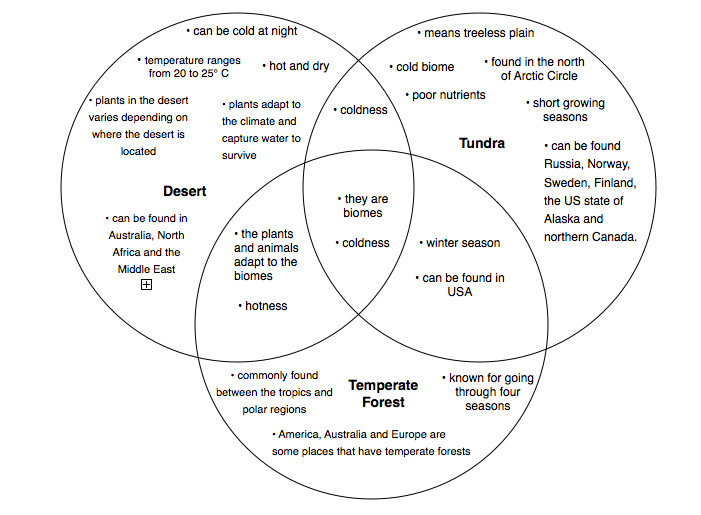
The temperate forest biome, characterized by its distinct seasonal variations, offers yet another compelling case study in biodiversity. These forests, found in regions such as North America and Europe, are predominantly deciduous or mixed. The seasonal changes create a dynamic environment where various species have adapted to thrive, such as maple trees, oaks, and several understory plants. These forests also serve as habitats for a plethora of wildlife, including deer, foxes, and countless bird species. The rich leaf litter that accumulates provides essential nutrients, fostering a diverse undergrowth that supports an intricate food web. However, anthropogenic factors like urbanization and agriculture threaten these forest ecosystems. The continuous interplay between conservation and development presents a significant, stimulating challenge for ecologists and policymakers alike.
Lastly, we examine the savanna, a biome distinguished by its mixed grassland and sporadic trees. Home to some of the most iconic megafauna—such as elephants, lions, and giraffes—the savanna is an exceptional testament to the beauty of evolutionary adaptation and ecological diversity. This biome is characterized by seasonal rainfall, which drastically influences the plant and animal life present. The coexistence of diverse species is crucial in maintaining the balance within this ecosystem. Grazers and predatory species contribute to natural selection and population control, all while enhancing the overall health of the biome. However, challenges arise as human encroachment and climate change alter these landscapes, pushing species towards extinction or forced migration.
In a delightful irony, increased biodiversity can also lead to complex interspecies competition and interaction, highlighting the paradox of coexistence. More species can mean more competition for limited resources, but it can also encourage niche differentiation, leading to greater specialization and resilience against changes. The challenge, then, becomes one of understanding how to best manage and conserve these rich biomes while recognizing that all life is interconnected.
As we dissect these biomes, it becomes clear that each plays a fundamental role in sustaining life on Earth. The multifaceted relationships among species, the unique adaptations within each biome, and the ecological services they provide underscore their critical importance in the global ecosystem. However, the daunting question remains: how do we balance our development needs with conservation efforts? The stakes are high, and the answer hinges not only on scientific understanding but also on concerted global action. Will we rise to the occasion and implement sustainable practices to protect these vibrant ecosystems? Only time will unveil the resolution to this pressing challenge.
Ultimately, engaging with the myriad dimensions of biodiversity within these biomes reveals a vibrant yet precarious existence. As stewards of the planet, it is imperative to embrace our role in preserving these natural wonders for generations to come. It is through thoughtful exploration, enthusiastic conservation, and dedication to understanding the profound interconnections between species that we may safeguard the rich tapestry of life that graces our Earth.

Leave a comment