

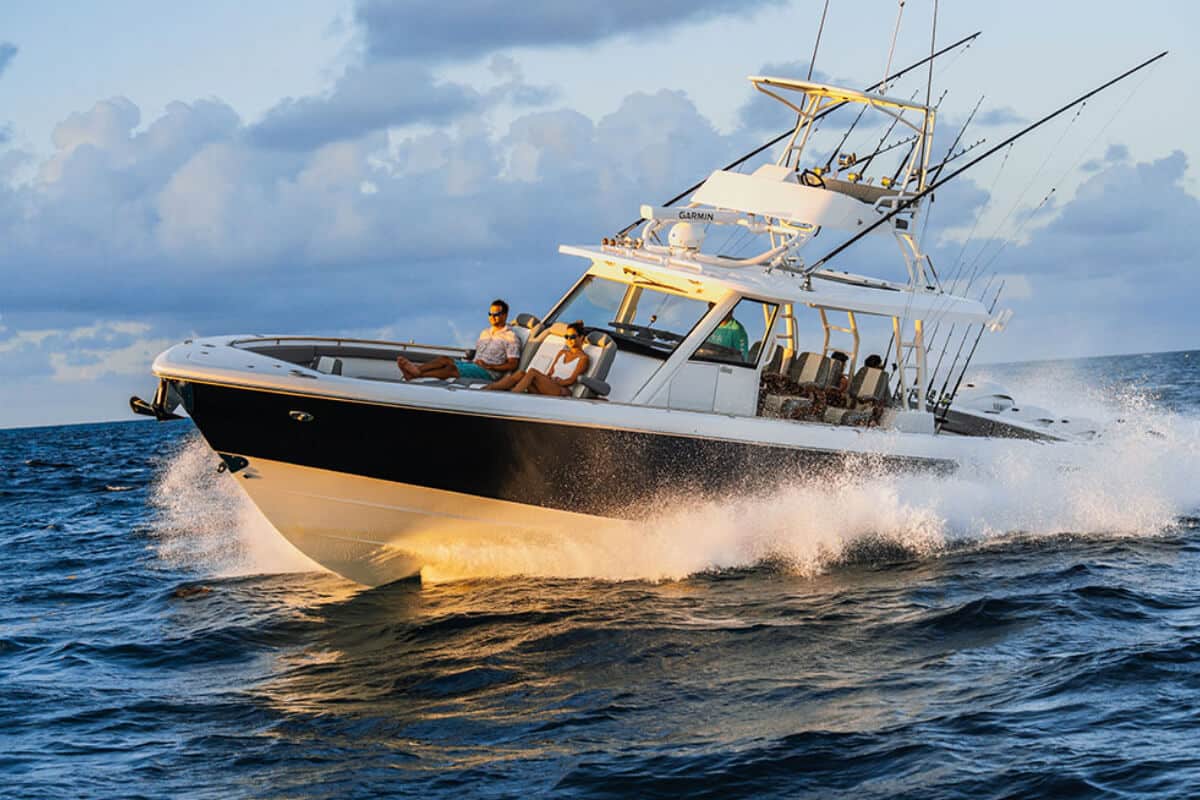
The thrill of gliding across the water, the gentle sway of the boat, and the glimmer of sunlight dancing upon the waves invokes an exhilarating freedom—yet, within this enchanting milieu lies a framework of rules designed to ensure safety and harmony. Which boat possesses the right of way when two vessels encounter one another? Navigating this question not only poses a challenge but beckons an exploration of fundamental boating regulations. This inquiry is paramount for mariners seeking to navigate waterways effectively while minimizing the risk of mishaps.
To comprehend the intricacies of right-of-way rules, one must first recognize the various types of vessels prevalent in our waterways. These can range from powerboats and sailboats to larger commercial ships. Each category may have different regulations that govern their movements, making it imperative for operators to fully grasp their responsibilities. This exploration is crucial, particularly in busy maritime environments where multiple vessels converge.
At the outset, we should introduce the core tenets of the “rules of the road”—a colloquial expression denoting the navigation rules that arise when boats traverse the same waterway. The International Regulations for Preventing Collisions at Sea (COLREGs) serve as the bedrock for these rules, providing universally acknowledged protocols that aim to avert aquatic accidents. The COLREGs can be succinctly divided into two primary sections: conduct of vessels in any condition, and conduct of vessels in restricted visibility.
To delve into specific scenarios, one must first understand the concept of “stand-on” and “give-way” vessels. Typically, the vessel that is required to yield is regarded as the give-way vessel, whereas the one that maintains its course is termed the stand-on vessel. This designation forms the backbone of many right-of-way determinations. For example, in the case of two powerboats approaching each other head-on, each must alter course to starboard, thereby passing port-side to port-side. This mutual alteration fosters a safe passage and reduces the risk of collision. However, this situation could quickly complicate if another boat is in the vicinity or if either boat is traveling at excessive speeds.
Consider the interaction between a sailing vessel and a powerboat. According to the predominant rule, a sailing vessel under sail is typically the stand-on vessel when approached by a powerboat. The powerboat, in this instance, must take action to avoid a collision. The rationale behind this rule lies in the powerboat’s ability to maneuver more decisively and swiftly than its counterpart, which relies on the wind’s capriciousness. Yet, caution is advised; sailor operators should remain vigilant and prepared to act should the powerboat neglect its responsibility.
Moreover, the rules of right-of-way extend to vessels navigating narrow channels or restricted waterways. Here, vessels constrained by their draft must be accorded the right of way, allowing them to proceed unimpeded. Conversely, recreational boats should yield to these vessels, recognizing that obstruction can lead to perilous situations within confined areas. It is essential to remain acutely aware of environmental influences, such as wind and current, which may affect a vessel’s navigation.
Beyond these fundamental rules, the concept of “traffic patterns” emerges prominently in the navigation lexicon. Every waterway may possess its idiosyncrasies and customary practices. In crowded marinas or during maritime events, maintaining situational awareness becomes even more crucial. Observers must take note of local signage indicating buoy placements, which delineate zones that require heightened caution.
As we venture forth, it is pertinent to address the implications of operator vigilance and decision-making. Each mariner bears an intrinsic responsibility to uphold safety standards and exercise prudence. Avoiding accidents relies not merely on adherence to established protocols but also on the ability to anticipate the actions of others. Situational, spatial, and temporal awareness transcends mere compliance; it embodies the essence of skilled navigation.
In the absence of clear-cut guidelines, developing an intuitive understanding of right-of-way practices can become challenging. In these cases, it is often prudent to rely on the principle of good seamanship—alertness to the movements of nearby vessels, and an innate readiness to yield when circumstances dictate. For example, when encountering an overtaking scenario—an increasingly frequent element in busy waterways—the overtaking vessel must keep clear of the one being overtaken.
Finally, despite the intricacies of these regulations, mariners should continually educate themselves on updates and changes to maritime laws. State and local regulations may impose additional restrictions, which are integral to ensuring safe and compliant navigation. Modern technology, including GPS systems and navigational apps, can significantly aid in maintaining compliance while fostering a greater understanding of one’s surroundings.
In conclusion, understanding which boat has the right of way pivotally influences boating safety and fosters a culture of responsible navigation. Enthusiasts traversing the aquatic realm must familiarize themselves with established practices, exercise vigilance and judgment, and embrace continual learning. An adherence to these principles will not only enhance one’s boating experience but will also help create a safer environment for all who partake in the glorious tapestry of waterway adventures.

Leave a comment