

The human skeletal system comprises an intricate network of bones, which serve a multitude of functions, including providing structural support, facilitating movement, and protecting vital organs. However, when it comes to injuries, the rate at which different bones heal can vary significantly. This article aims to elucidate which bone is likely to take the longest to heal and explore the intricacies of bone recovery time.
Understanding bone healing begins with acknowledging the biological process that occurs when a fracture transpires. Bone healing is not an instantaneous affair; rather, it is a complex sequence of physiological events that can take several weeks to months. Typically, the healing process can be divided into four distinct stages: inflammatory, reparative, remodeling, and restoration. Each stage has its own timeline and is influenced by various factors such as the type of bone affected, the nature of the fracture, age, overall health, and nutritional status of the individual.
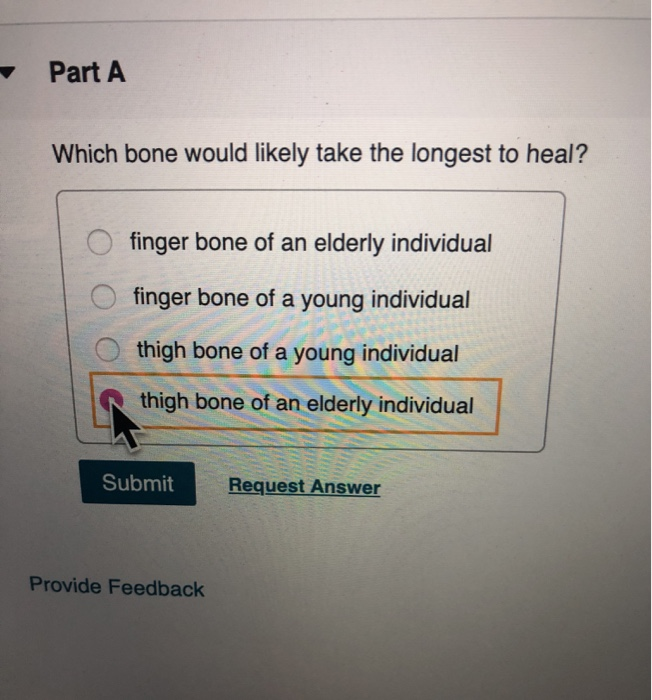
When discussing bone recovery, it is imperative to identify the bones that are most susceptible to prolonged healing times. Among the bones of the human body, the femur, which is the longest and strongest bone in the body, typically requires the most extended recovery period when fractured. Due to its size and the mechanical forces it endures during mobility and weight-bearing activities, healing of the femur can take anywhere from four to six months, if not longer, depending on the complexity of the fracture.
As we explore the femur further, it is informative to distinguish between the types of fractures it can sustain. For instance, an intramedullary fracture, which occurs within the bone’s medullary cavity, may heal faster than an intertrochanteric fracture, which occurs near the hip joint and complicates the healing process due to the surrounding muscle attachment and blood supply dynamics. The implications of surgical interventions, such as the installation of metal rods or plates, also play a crucial role in the duration of recovery. Surgical fixation can sometimes expedite the healing process, but it may also introduce additional risks and complications that could hinder recovery.
Aside from the femur, other long bones in the body, such as the tibia and the humerus, are also candidates for prolonged recovery times. The tibia, located in the lower leg, can take approximately six to twelve weeks to heal, particularly if the fracture is displaced. Skeletal regions such as the humerus, which spans the upper arm, may experience similar timelines when exposed to fracture, with healing often requiring around eight to twelve weeks.
In addition to these long bones, certain conditions can exacerbate the recovery timeline. For instance, individuals with osteoporosis experience a higher propensity for fractures, particularly in the vertebrae, hips, and wrists. These fractures often heal more slowly due to the compromised quality of bone tissue. Similarly, advanced age correlates widely with slowed healing times due to reduced bone density and diminished regenerative capacity. Comorbidities, such as diabetes and cardiovascular disease, can also impede bone repair, introducing further complexity into the already elaborate healing process.
Another critical aspect to consider in bone healing is the supply of blood flow to the affected area. Bones that are more vascularized—like the ribs, with a rich blood supply due to their proximity to the chest wall—tend to heal faster than less vascularized bones. Consequently, healing rates of a rib fracture may exceed that of a femur fracture substantially, illustrating the role of physiological factors in recovery time.
Nutrition plays a significant role in skeletal recovery, emphasizing the necessity for adequate intake of essential nutrients such as calcium, vitamin D, and protein. Calcium is fundamental for bone mineralization, while vitamin D facilitates calcium absorption. Protein, on the other hand, is vital for collagen synthesis, which is integral to the repair process. A dietary deficiency can thus prolong the healing time, complicating recovery efforts.
Furthermore, the healing environment cannot be overlooked. Adherence to rest and rehabilitation protocols post-fracture is essential to ensuring optimal healing. Engaging in premature weight-bearing activities or failing to properly immobilize the fracture site can result in malunion or nonunion, necessitating more invasive interventions and significantly lengthening the recovery time.
In conclusion, when considering which bone may take the longest to heal, the femur often takes precedence, along with other long bones like the tibia and humerus. However, the intricate interplay of biomechanical factors, age, nutritional status, blood supply, and environmental considerations extensively influences the healing process. Recognizing these variables is crucial in personalizing treatment and ensuring an efficient healing trajectory, thereby minimizing complications and enhancing overall recovery outcomes.

Leave a comment