

Urban safety is a paramount concern for residents, policymakers, and law enforcement agencies alike. With crime statistics serving as crucial indicators of safety, understanding the nuances of crime rates across various boroughs not only informs citizens but also shapes urban planning and community resources. This article explores which borough registers the highest crime rates and offers insights into community safety rankings, ultimately providing readers with a comprehensive understanding of the variables that contribute to urban crime fluctuations.
To unravel the complexities of crime rates in urban settings, it is essential first to grasp the parameters by which safety is assessed. Crime rates typically encompass categories such as violent crimes—assault, robbery, and murder—and property crimes, including burglary, theft, and vandalism. Consequently, the overarching assessment of a borough’s safety is contingent upon the aggregate evaluation of these diverse categories.
In examining the borough with the highest crime rate, one must consider both historical data and recent trends. Historical antecedents often reveal patterns that, while they do not wholly dictate future tendencies, can provide a foundation for understanding present-day dynamics. Fluctuating crime rates are influenced by myriad factors, including socioeconomic conditions, law enforcement efficacy, community engagement, and even urban design.
Demographically, boroughs with higher population densities often experience escalated crime rates. Urban areas generally present greater anonymity, where individuals may feel disassociated from community norms. Furthermore, areas with elevated poverty levels frequently correlate with increased crime, as economic disenfranchisement can lead to criminal behavior viewed as either a necessity or a means of survival.
Within the boroughs, environmental factors also play a critical role. The type of neighborhood—urban, suburban, or rural—affects the prevalence and severity of crime. Urban locations are often more vulnerable due to accessibility, increased foot traffic, and a greater array of potential victims and targets. Suburban areas may witness spikes in property crimes, driven by the perception of greater affluence among residents, while rural areas typically exhibit lower crime rates due to significant social cohesion among their populations.
Another salient element in the jurisdiction of crime rates is the allocation and deployment of law enforcement resources. Police presence can deter criminal activity, but the perception of safety is often just as crucial; if residents feel secure, even in high-crime areas, they may be less inclined to perceive their environment negatively. Community policing initiatives have proven effective in fostering public trust and cooperation, thereby enhancing the overall safety landscape of a borough.
Additionally, crime rate statistics frequently rely upon reported incidents, a factor that can skew perceptions of safety. Underreporting of crimes, driven by fear of stigma or mistrust in law enforcement, can lead to inflated perceptions of safety in specific areas. Engaging local communities in safety initiatives and ensuring transparency across all levels of law enforcement can mitigate these discrepancies and bolster community morale.
Moreover, the impact of technology on crime rates warrants consideration. Surveillance systems, smart policing techniques, and advanced data analytics have revolutionized how law enforcement agencies monitor and respond to crime. By utilizing technology to anticipate crime hotspots and deploy resources more efficiently, boroughs can achieve notable reductions in crime rates. Innovations in public safety technologies have proven invaluable in safeguarding communities while fostering a sense of security among residents.
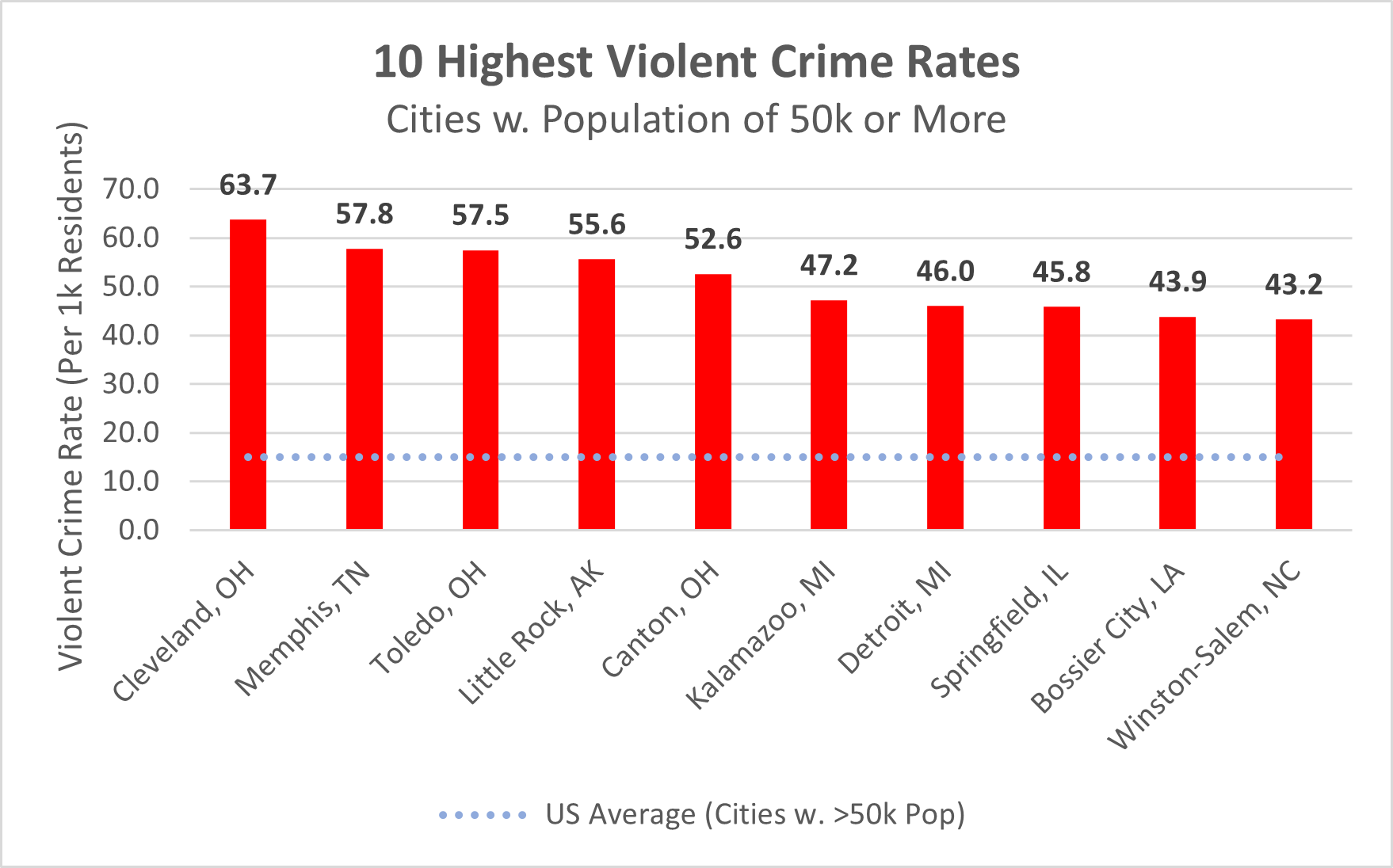
In recent analyses, certain boroughs have stood out prominently in crime rate comparisons. These statistics, while offering vital insights, necessitate interpretation within broader socioeconomic discussions. Understanding whether increased crime rates stem from systemic issues or visible community challenges is fundamental in formulating effective crime reduction strategies. In metropolitan areas, for instance, municipalities with higher crime rates often implement sweeping reforms addressing root causes, thus attempting to ameliorate the socio-economic conditions perpetuating crime.
The importance of community involvement cannot be overstated. Grassroots initiatives, local organizations, and residents collaborating with law enforcement can significantly enhance safety perceptions and realities in a given borough. Community-led safety programs encourage dialogue among neighbors, foster shared accountability, and cultivate collective watchfulness—all integral components in the pursuit of safer urban environments.
Moreover, the influence of education on crime rates cannot be overlooked. Access to quality education and vocational training correlates with decreased involvement in crime. Thus, investing in education is tantamount to investing in public safety. Initiatives aimed at enhancing educational opportunities often yield multifaceted dividends, including reduced crime rates and improved economic prospects for community members.
In conclusion, determining which borough exhibits the highest crime rate is a multifaceted endeavor necessitating comprehension of a wide array of factors, from socioeconomic attributes and environmental influences to policing efficacy and community engagement. As urban dynamics continue to evolve, so too must our approaches to crime prevention and community safety. By fostering inclusive, proactive strategies aimed at reinforcing the social fabric of neighborhoods, boroughs can aspire toward a future marked by enhanced safety and diminished crime.

Leave a comment