

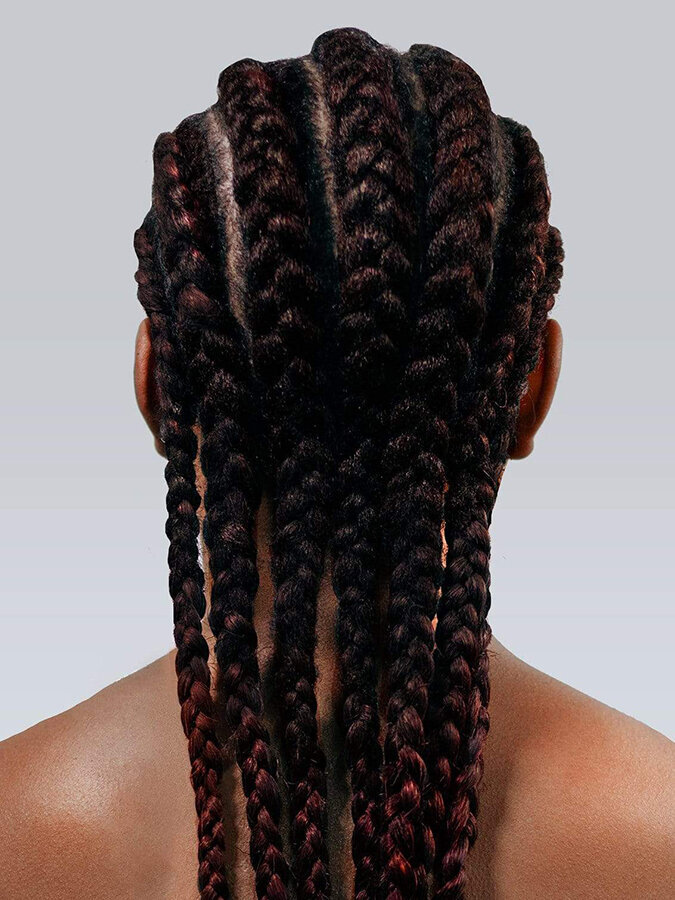
In the burgeoning world of beauty and personal care, the conversation around health-conscious choices has permeated the realm of hairstyling. For many consumers seeking beautiful braids, the allure of synthetic hair extensions is tempered by concern over safety and toxicity. As such, it is paramount to navigate the complex landscape of braiding hair, particularly those extensions that promise to be devoid of harmful substances. This guide aims to elucidate the crucial considerations when selecting braiding hair that is not only aesthetically pleasing but also safe for your health.
When delving into the array of options available, one must first understand the nature of common materials utilized in braiding hair. Traditional synthetic fibers, like kanekalon, are popular for their affordability and versatility. However, these materials may contain toxic additives that could release harmful chemicals when exposed to heat or during prolonged use. Thus, selecting braiding hair that is labeled as non-toxic becomes an essential endeavor in promoting both the health of your hair and your overall well-being.
It is incumbent upon shoppers to evaluate the composition of extensions meticulously. **Human hair extensions** stand out for their inherent safety profile. Sourced from actual hair, these extensions do not carry synthetic additives that might leach harmful compounds. They offer a natural texture and extend styling flexibility, permitting wearers to treat their hair as they would their own. Nonetheless, it is vital to procure these extensions from reputable suppliers to ensure ethical sourcing, preventing adverse implications on social and environmental fronts.
In addition to human hair, an increasing number of brands are introducing **eco-friendly synthetic alternatives**. These products are engineered from biodegradable fibers, often derived from corn or soy, presenting a sustainable solution for style-conscious individuals. Not only do these extensions diminish reliance on petroleum-based products, but they also aim to limit exposure to potentially harmful substances. Consumers are urged to seek out certifications, such as the Global Organic Textile Standard (GOTS), when evaluating the safety and sustainability of such options.
The **natural dye process** is another significant aspect to consider. Conventional synthetic hair often undergoes treatments involving chemical dyes, which can emit volatile organic compounds (VOCs). Extensions touted as “non-toxic” should utilize plant-based or non-toxic dyes that respect both health and the environment. By prioritizing such products, consumers engage in a conscientious dialogue about ethical beauty practices.
In parallel, examining the manufacturing practices is essential. Brands that prioritize transparency often share details about their production processes, including labor practices and material sourcing. **Supply chain transparency** should serve as a litmus test for consumers—companies that care about their product integrity typically uphold higher safety and ethical standards. This not only reinforces trust but also empowers consumers to make informed choices that resonate with their values.
Once you have selected a suitable material, one must also consider the **application method**. The braiding technique and the tools used during installation can profoundly influence the overall health of your natural hair. Employing heat or aggressive adhesives can exacerbate damage to fragile strands, undermining the very intention behind wearing safe extensions. Opting for methods such as knotless braids can alleviate tension and minimize breakage, especially when combined with non-toxic installations that avoid harsh adhesives.
Moreover, **regular maintenance** is paramount for preserving both the integrity of your natural hair and the longevity of your extensions. Using gentle, sulfate-free products aids in reducing potential chemical exposure while maintaining the health of the scalp and hair. Frequent conditioning treatments, alongside protective styles, are recommended to nourish the hair and mitigate damage stemming from friction and environmental stressors.
There exists a vibrant discourse among health experts regarding the long-term effects of synthetic materials, including braiding hair. Some studies suggest heightened sensitivities and allergic reactions to certain chemicals absorbed by the scalp over prolonged exposure. Thus, a vigilant approach—whereby consumers periodically reassess their choice of braiding hair—is warranted. Engaging in this reflective practice cultivates an acute awareness of how products impact individual wellness.
In conclusion, the quest for braiding hair that is not toxic is a significant endeavor that harmonizes personal aesthetic preferences with a commitment to health and ethical practices. As awareness burgeons around sustainable beauty and health-conscious choices, consumers are positioned to make informed decisions that prioritize their well-being. By choosing high-quality, non-toxic hair extensions—whether sourced from ethically procured human hair or innovative, eco-friendly synthetic alternatives—individuals can confidently embrace styles that are both beautiful and safe. Ultimately, investing thoughtfulness into every aspect—from material composition to application methods—ensures that your hairstyling choices reflect both your aesthetic values and your dedication to health.

Leave a comment