

The human body is an intricately designed system capable of remarkable feats, one of which is maintaining a stable internal temperature. Have you ever wondered, in the midst of a heatwave or a sub-zero winter, how our body manages to stay at a constant temperature? This remarkable ability hinges predominantly on a specific brain region known as the hypothalamus. But what exactly does this tiny area of the brain do? Let’s explore its vital role as the main integrating center for thermoregulation.
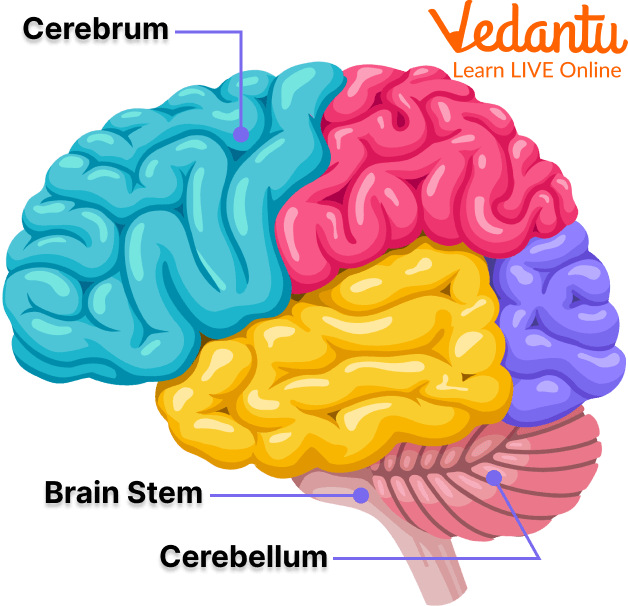
The hypothalamus is a small but functionally significant part of the brain, situated below the thalamus and above the brainstem. It measures roughly the size of an almond in humans but wields power that belies its diminutive stature. The central role of the hypothalamus in maintaining homeostasis, particularly thermoregulation, is fascinating. But before delving deeper, it is essential to understand the basic principles of thermoregulation itself.
Thermoregulation is the process through which organisms maintain their body temperature within a certain range, even when external temperatures fluctuate. This biological prowess is vital for optimal enzyme function, metabolic processes, and overall physiological stability. For mammals, including humans, an internal temperature close to 37 degrees Celsius (98.6 degrees Fahrenheit) is considered ideal. Deviating significantly from this temperature can result in dire physiological consequences, both on the high and low ends of the thermal spectrum.
Now, let us dissect the multifaceted role of the hypothalamus in this critical process. The hypothalamus acts as an integral control center, orchestrating various physiological responses to environmental changes. It integrates sensory information gathered from peripheral thermoreceptors located in the skin, core body, and even in certain blood vessels. Through complex neural pathways, these thermoreceptors relay information about external temperatures and core body conditions to the hypothalamus.
Upon receiving this sensory input, the hypothalamus evaluates the data and determines the necessary physiological adjustments required to maintain thermal homeostasis. It does so through its connections to other brain regions and its direct influence on the autonomic nervous system, which governs involuntary bodily functions, including sweating, shivering, and modifications in blood flow.
When confronted with excess heat, the hypothalamus responds by initiating processes such as vasodilation and sweating. Vasodilation widens blood vessels, particularly those close to the skin’s surface, permitting increased blood flow. This enhanced blood flow dissipates heat from the body to the environment. Concurrently, the activation of sweat glands facilitates evaporative cooling, wherein moisture on the skin surface absorbs heat and evaporates, lowering body temperature.
Conversely, when the body is subjected to cold conditions, the hypothalamus triggers thermogenic responses designed to conserve heat. Shivering is one such response wherein involuntary muscle contractions generate warmth. Additionally, the hypothalamus induces vasoconstriction, a process that narrows blood vessels to restrict blood flow to the skin while preserving core temperature.
But how does the hypothalamus itself sense these temperature changes? The answer lies within specific neurons known as thermosensitive neurons. These neurons are adept at detecting variations in temperature and play a pivotal role in transmitting signals to the hypothalamus. Interestingly, the hypothalamus contains distinct populations of neurons that respond to both heat and cold, enabling a nuanced and rapid response to thermal challenges.
Another compelling facet of hypothalamic function is its interaction with hormonal pathways. The hypothalamus communicates with the pituitary gland, thereby regulating the release of hormones that influence metabolism and thermogenesis. For instance, thyroid hormones elevate metabolic activity, generating heat that assists in counteracting cold environments. This intricate network of hormonal interactions underscores the multifactorial complexity of thermoregulation.
However, it’s essential to note that the effectiveness of the hypothalamus can be compromised. Conditions such as hyperthermia or hypothermia showcase challenges to the hypothalamus’s functionality. Hyperthermia occurs when the body absorbs more heat than it can dissipate, often leading to heat strokes if not addressed. Conversely, hypothermia results when the body loses more heat than it generates, posing risks of severe physiological impairment.
Moreover, external factors can disrupt the hypothalamus’s thermoregulatory capabilities. For example, considerable dehydration can diminish the body’s ability to sweat, thereby impairing the cooling mechanisms initiated by the hypothalamus. Similarly, certain neurological conditions can interfere with the hypothalamus’s ability to process thermal information, leading to dysregulation in body temperature management.
Given the hypothalamus’s pivotal role in thermoregulation, researchers have made significant strides in understanding its mechanisms. Advances in neuroscience and technology have enhanced our comprehension of how this brain region interacts with other systems within the body. As science continues to unfold the mysteries of the hypothalamus, it presents profound implications for medical interventions, particularly in conditions that affect thermoregulatory pathways.
In conclusion, the hypothalamus stands out as the main integrating center for thermoregulation, deftly orchestrating a multitude of physiological responses to maintain body temperature within a narrow, life-sustaining range. As our understanding deepens, one cannot help but wonder: what other hidden intricacies lie within this small but mighty brain region? The pursuit of knowledge in this domain could unravel even greater insights into human physiology and health. Understanding the nuances of the hypothalamus not only enriches our grasp of homeostasis but also emphasizes the delicate interplay between our environment and our biological systems.

Leave a comment