

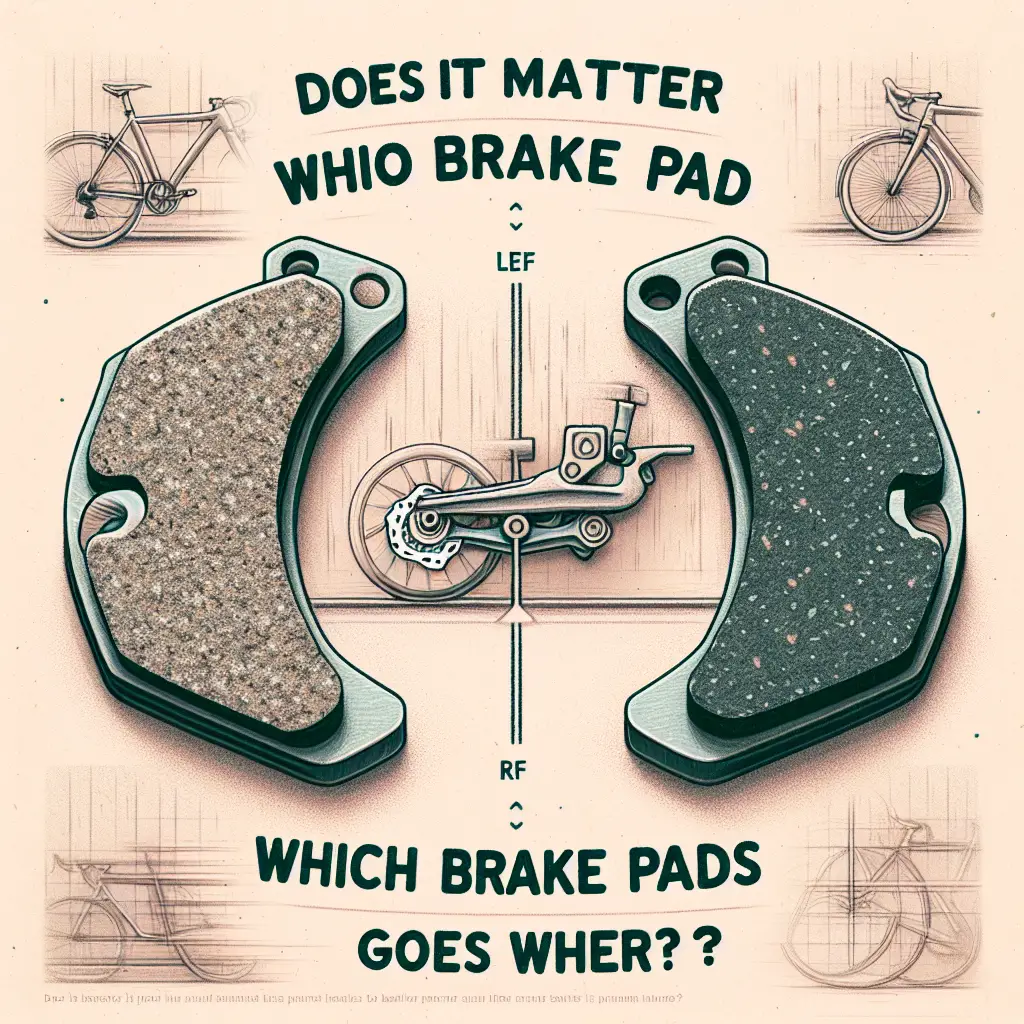
Understanding the correct installation of brake pads on vehicles is vital for optimal performance and safety. Given the critical role that brake systems play in vehicular operation, thorough knowledge regarding which brake pad is designated for each side of the vehicle can bolster both maintenance efficacy and driving security.
Brake pads differ based on their design, materials, and specific application, and these variances underscore the importance of proper installation. When contemplating brake pads, it is essential first to familiarize oneself with their basic function. Brake pads are integral components of the disc brake system, exerting friction against a rotor to decelerate or halt vehicle movement. Misplacement can lead to uneven wear, compromised performance, and potentially hazardous situations.
To navigate the intricacies of brake pad installation, let us delve into a structured guideline that elucidates which brake pad goes on which side, ensuring adherence to manufacturer’s specifications while optimizing performance.
Types of Brake Pads and Their Orientation
Brake pads are generally classified into three categories: organic, semi-metallic, and ceramic. The orientation of these pads often has broader implications, including their compatibility with different rotors and their designed usage based on vehicle type and driving conditions.
1. Understanding Side-Specific Brake Pads
Many vehicle manufacturers design brake pads with specific side orientations, meaning that the pads for the left and right sides may differ in shape, size, or even friction material. This differentiation plays a crucial role in achieving balanced braking. When installing, ensuring that the correctly specified pad is placed on the appropriate side is paramount. Using the wrong pad can result in imbalanced braking forces, leading to uneven wear and steering instability.
2. Identifying Left and Right Pads
When dealing with brake pads, the identification of left and right pads typically hinges upon the vehicle’s orientation. In most cases, the left pad is designated for the driver’s side while the right pad is for the passenger side. However, some manufacturers may utilize specific markings or color-coded systems to designate side-specific pads. Pay close attention to these identifiers during the unboxing process.
3. The Importance of Pad Placement
The placement of a brake pad is not merely a procedural element; it serves a significant purpose in the overall efficiency and effectiveness of the braking system. Incorrect placement can lead to overheating, which might diminish the brake pad’s lifespan and effectiveness. Furthermore, improper alignment may result in grinding noises, vibrations during braking, or even a decreased braking response. Thus, achieving the precise alignment of each brake pad is vital for preventing potential malfunctions.
4. Utilizing Manufacturer Guidelines
Every vehicle comes equipped with an owner’s manual or service manual that provides explicit instructions regarding the installation of brake pads. It is essential to consult these manuals, as they will typically include configuration diagrams, specific recommended equipment, and orientation guidance for brake pads. Adhering to these guidelines will facilitate the safest and most effective installation process.
5. Tools Required for Installation
Before undertaking brake pad installation, assembling the necessary tools is critical. Standard tools may include: socket and ratchet sets, torque wrenches, brake cleaner, caliper tools, and optionally, pads and rotors suitable for the vehicle. Having the right tools on hand ensures a smoother installation process and reduces the likelihood of encountering difficulties.
6. Installation Process
The actual process of installing brake pads can vary slightly based on the make and model of the vehicle. However, a general sequence is widely applicable:
- Raise the vehicle: Using a jack, elevate the vehicle to access the wheels. Secure it with jack stands for safety.
- Remove the wheel: Take off the wheel to expose the brake assembly.
- Remove the caliper: Unbolt the caliper from its mounting bracket. Be cautious not to damage the brake line.
- Remove old brake pads: Take out the old pads from their slots, making a note of their orientation.
- Install new pads: Insert the new pads into their respective slots, ensuring that each pad is properly aligned according to their designated side.
- Reattach the caliper: Secure the caliper back in place and make certain that it rotates freely.
- Replace the wheel: Reattach the wheel and lower the vehicle back to the ground.
7. Testing Brake Performance
Once the installation process is complete, testing the brakes is imperative to ensure they function adequately. Engage the brake pedal several times to help seat the new pads and check for any anomalies. Listen for unusual sounds and monitor braking responsiveness before returning to regular driving. It’s also advisable to conduct a short test drive in a safe environment to further assess brake performance.
8. Conclusion
The differentiation of brake pads for left and right sides, while seemingly trivial, holds significant implications for overall vehicle safety and functionality. By carefully adhering to guidelines, employing the appropriate tools, and cognizantly following installation protocols, drivers can ensure not only their safety but also prolong the life of their vehicle’s braking system. Such conscientious measures resonate with the notion that even the most mundane components wield substantial influence over our driving experiences.

Leave a comment