

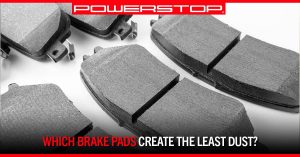
Choosing the right brake pads is an integral aspect of automotive maintenance that often goes overlooked. Among the myriad of options available, the consideration of dust generation has emerged as a crucial factor, particularly for those who desire cleaner vehicles. This article endeavors to elucidate the various types of brake pads available, focusing on their dust-producing characteristics and the implications these have on vehicle cleanliness.
Understanding Brake Pads
Brake pads are an essential component of a vehicle’s braking system. They engage with the brake rotor to create friction, which in turn slows down or stops the vehicle. The materials used in the construction of brake pads significantly influence their performance, longevity, and the amount of brake dust they generate. Understanding these materials helps consumers make informed choices.
1. Organic Brake Pads
Organic brake pads, often considered the “traditional” option, are composed largely of materials such as rubber, resin, and various fibers. While they provide a quiet operation and are generally less abrasive on rotors, they tend to produce a moderate amount of dust. This dust, primarily composed of the organic materials used, is often soft and less harmful than the dust produced by other types. However, in the pursuit of a cleaner vehicle, the dust accumulation is still a factor to consider.
2. Semi-Metallic Brake Pads
Semi-metallic brake pads, as the name suggests, incorporate a mixture of metal fibers along with organic materials. This composition facilitates superior heat dissipation and performance, particularly under extreme braking conditions. However, they are notorious for generating significant brake dust, which typically appears as a dark, gritty residue. The heavy metallic content can result in a more abrasive interaction with rotors, further contributing to dust production. Although these pads provide excellent stopping power, the downside of increased dust may be unappealing for conscientious car owners.
3. Ceramic Brake Pads
Ceramic brake pads have gained immense popularity in recent years, primarily due to their lower dust production when compared to both organic and semi-metallic options. Constructed from a dense ceramic material infused with copper fibers, these pads are known for their ability to deliver consistent performance, reduced noise, and minimal dust. The brake dust generated is typically fine and light-colored, which makes it less noticeable on wheels compared to other types. For individuals who prioritize a cleaner vehicle aesthetic, ceramic brake pads represent an astute choice.
4. Low-Dust and Eco-Friendly Brake Pads
In response to growing environmental concerns, the automotive industry has introduced low-dust and eco-friendly brake pads. These products are designed specifically to minimize dust emissions while also using sustainable materials. Often manufactured as performance-oriented ceramic pads, they provide the same benefits in terms of noise reduction, rotor longevity, and minimal environmental impact. Such brake pads are particularly appealing for eco-conscious consumers who seek to minimize their carbon footprint while enjoying cleaner vehicles.
5. Assessing Performance vs. Cleanliness
While the quest for dust-free options is paramount, performance should not be overlooked. It is crucial to strike a balance between choosing pads that generate minimal dust and those that offer reliable braking performance. Evaluating how these brake pads perform under different driving conditions, such as daily commutes versus high-speed driving, can provide valuable insights. It is advisable for drivers to consult with professionals, ensuring that the selected pads are compatible with their driving habits and vehicle requirements.
6. Maintenance and Cleaning Strategies
Regardless of the type of brake pad chosen, regular maintenance and cleaning strategies can significantly alleviate the impact of brake dust. Utilizing wheel cleaners designed to remove brake dust effectively can make a substantial difference in maintaining the vehicle’s aesthetic. Frequent washing and applying protective coatings can also help mitigate the effects of dust accumulation. In addition, keeping the brake components clean enhances their efficiency while prolonging their lifespan.
Conclusion: Making an Informed Choice
The market today offers a diverse range of brake pads, each with its unique set of attributes related to dust generation and performance. Organic, semi-metallic, ceramic, and eco-friendly options each present distinct advantages and disadvantages. The best choice hinges on individual preferences, driving conditions, and cleanliness priorities. By understanding the nuances of each brake pad type, consumers can make educated decisions that align with their needs and enhance their driving experience.
Ultimately, while the aspiration for dust-free brake options is commendable, it is intertwined with considerations of performance and safety. Thus, a comprehensive understanding of the available choices can empower consumers to select brake pads that not only minimize unsightly dust but also uphold the vehicular integrity and performance expected from modern automobiles.

Leave a comment