

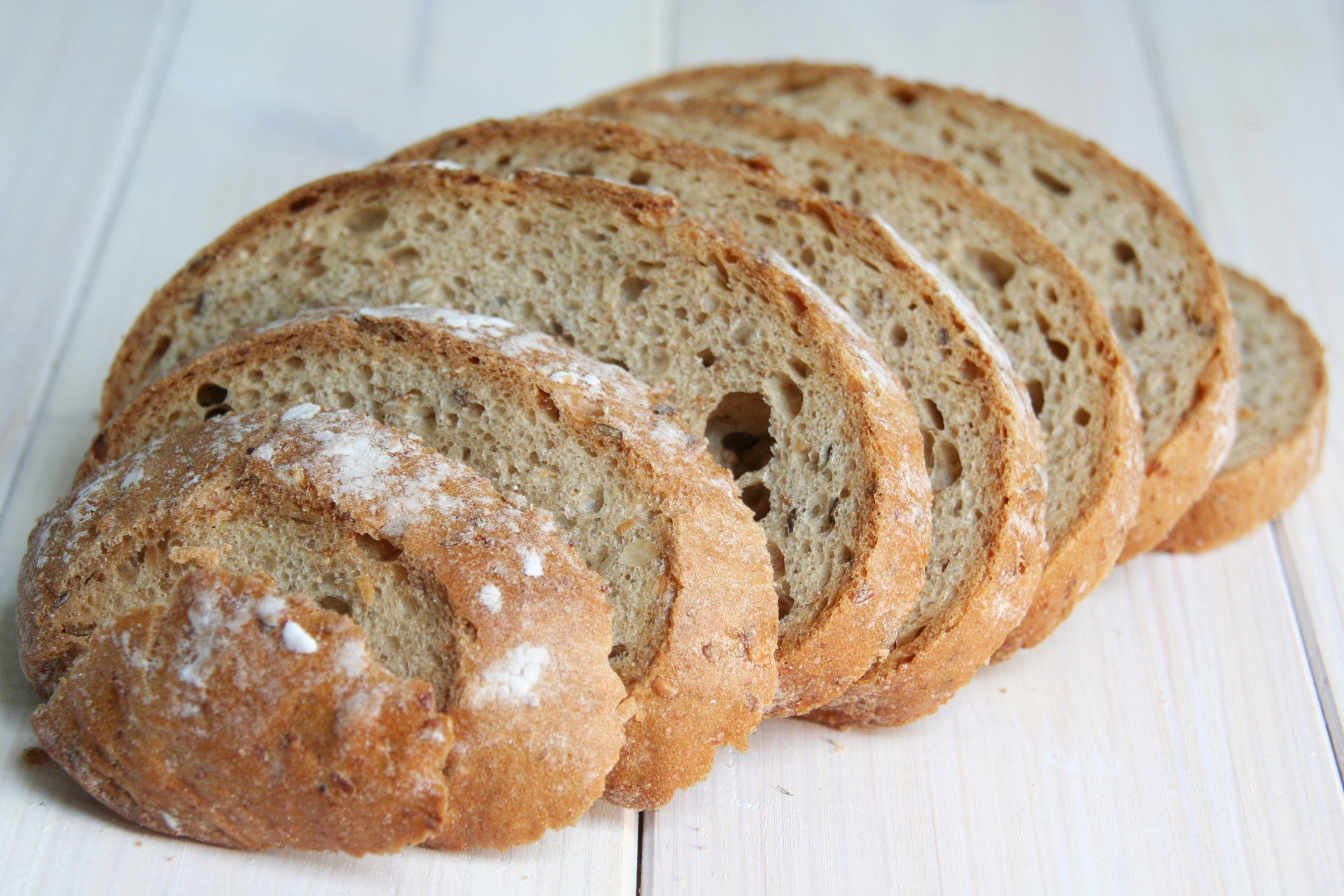
The quest for the ultimate bread may seem frivolous, yet it unveils an intriguing culinary conundrum—what type of bread boasts the highest fiber content? As we delve deeply into this subject, one must ponder: can your chosen loaf become a paragon of nutritional superiority? Engage in this exploration of high-fiber bread varieties, while simultaneously challenging yourself to incorporate more fiber into your diet. Infusing greater levels of dietary fiber can be a positive lifestyle alteration with myriad health benefits.
Understanding fiber is crucial; it is the indigestible component found in plant-based foods. It is bifurcated into two principal types: soluble and insoluble fiber. Soluble fiber dissolves in water and can help lower cholesterol and glucose levels, while insoluble fiber does not dissolve and serves primarily to add bulk to stool, promoting regularity. The combination of these forms in dietary intake is essential for achieving optimal health outcomes. The challenge lies in selecting a bread that supports these goals, maximizing health benefits without sacrificing flavor.
Before diving into the specifics, it is pertinent to consider the significance of fiber consumption. The Institute of Medicine recommends a daily fiber intake of 25 grams for women and 38 grams for men. However, most individuals fall short of these guidelines. Thus, the endeavor of finding high-fiber bread not only aligns with dietary objectives but also embraces the journey toward enhancing overall well-being.
Now, let’s examine the contenders in the arena of high-fiber breads.
1. Whole Grain Bread
Whole grain bread stands at the forefront of the high-fiber hierarchy. Made from entire grains that retain all parts of the grain kernel—the bran, germ, and endosperm—this type of bread typically contains about 3 to 7 grams of fiber per slice. The nutrient density of whole grain products is not negotiable. Select varieties like whole wheat, barley, or oats to ensure maximal fiber intake. Notably, buckwheat bread has gained popularity, touted for its fibrous content and unique flavor profile.
2. Rye Bread
Rye bread is a magnificent contender. Often denser than wheat bread, it is made from rye grain, which encases impressive fiber levels—often ranging between 5 to 6 grams per slice. Particularly, pumpernickel rye, a whole grain variant, holds potential for up to 7 grams of fiber. The unique composition of rye not only delineates it from its wheat counterparts but also promotes satiety and aids in digestion, an added boon for those seeking a holistic approach to health.
3. Oat Bread
Oat bread, infused with oats as a primary ingredient, provides a unique blend of taste and health. Typically, oat bread harbors around 4 to 6 grams of fiber per slice. Oats are renowned for their soluble fiber—beta-glucans—that modestly help reduce cholesterol levels. Oat bread can serve as an ideal breakfast component, especially when slathered with nut butter or adorned with fresh fruit.
4. Sprouted Grain Bread
A contender shrouded in intrigue is sprouted grain bread. Crafted from germinated whole grains, this bread type not only elevates fiber content—averaging about 4 to 5 grams per slice—but also enhances nutrient absorption. The sprouting process transforms carbohydrates into simpler sugars, making this bread easier to digest and offering a distinctively nutty flavor.
5. Multigrain Bread
Often marketed as a healthful alternative, multigrain bread comprises various grains, which can be an exciting amalgamation of fibers. Fiber content can vary greatly based on the grains employed, with some multigrain varieties containing upwards of 6 grams of fiber per slice. However, consumers must be discerning, scrutinizing labels for whole grains rather than refined alternatives to maximize fiber benefits.
6. Ezekiel Bread
The epitome of health-conscious baking, Ezekiel bread is made from sprouted whole grains and legumes, yielding an extraordinary fiber level—in some cases, boasting 6 to 8 grams per slice. This innovative concoction aligns the benefits of grains and proteins, reaping vegetarian nutritional advantages. Individuals venturing into the realm of high-fiber diets would do well to experiment with this gem.
In an effort to elevate one’s fiber intake, consider incorporating high-fiber bread into meals throughout the day. Breakfasts can commence with oat bread topped with a generous layer of almond or peanut butter, while lunches can feature open-faced sandwiches with whole grain bread layered with vegetables and lean proteins. Experimentation awaits, challenging the culinary creativity of those seeking to enrich their nourishment.
Nonetheless, it is prudent to note that fiber alone does not predicate a healthy diet. Bread choices should be complemented by an array of fruits, vegetables, legumes, and whole grains. Striking a balance will ensure not only fiber abundance but also comprehensive sustenance.
To sum up, as you embark on your own gastronomic journey, consider the challenge: can you elevate your daily fiber intake by substituting your regular bread with one of these high-fiber contenders? The answer may very well lead to a transformative culinary experience, enriching both health and taste. Explore the many options, reveling in the flavors and benefits presented by each unique bread type, leading towards a fulfilling dietary transformation.

Leave a comment