

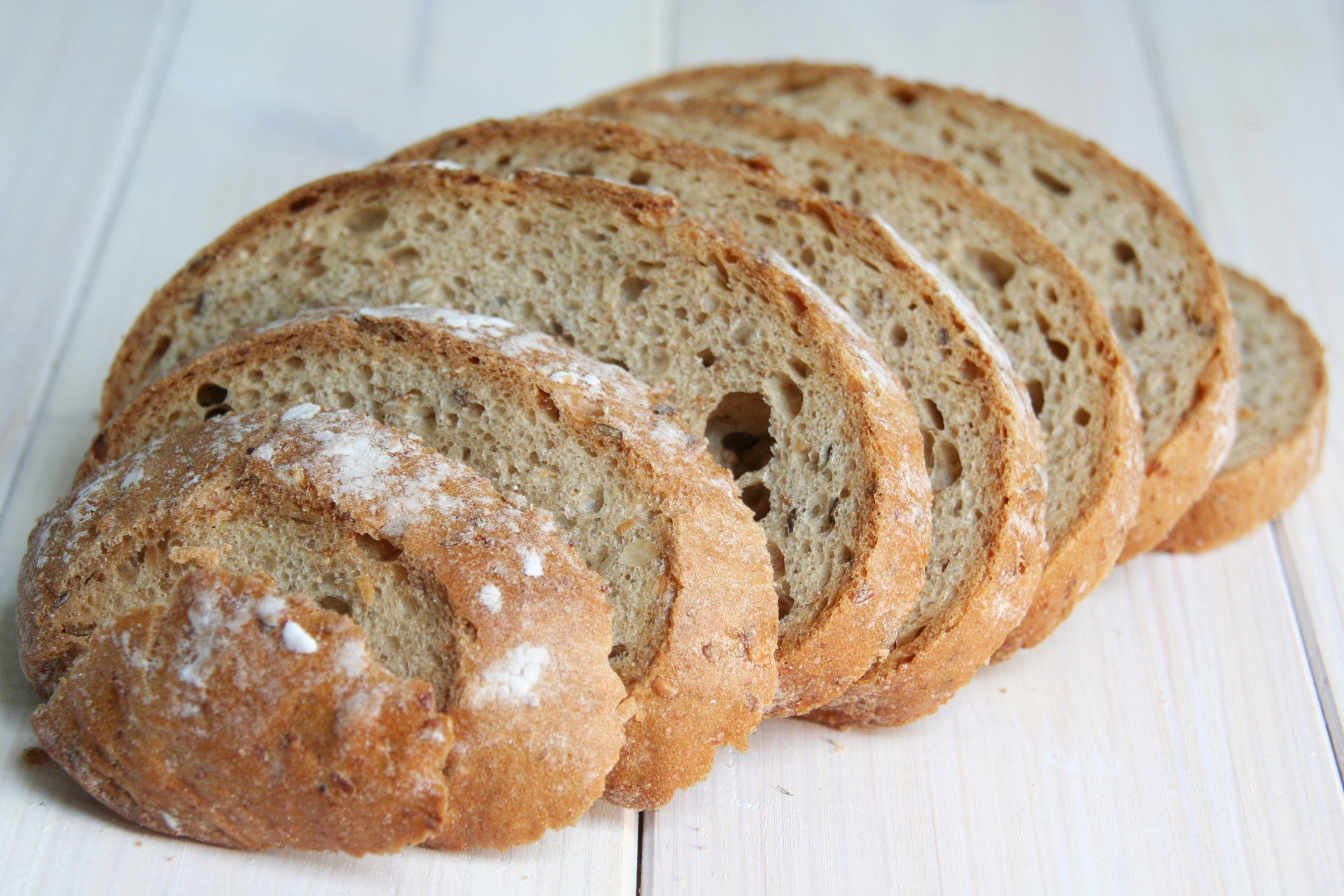
When it comes to selecting the healthiest bread at Subway, customers find themselves navigating a myriad of options that are not only visually appealing but also offer distinct flavors and textures. As a staple in fast-casual dining, understanding the nutritional content of different bread choices is paramount. Health-conscious patrons often scrutinize the ingredients, fiber content, and overall impact of these carbohydrate sources on their dietary goals. This inquiry leads us to an intriguing analysis of various Subway bread options, highlighting the most healthful choices suitable for diverse nutritional requirements.
First and foremost, one cannot overlook the significance of whole grain bread. Subway offers a 100% whole wheat bread, which is widely regarded as a nutritional powerhouse. Whole grain varieties are rich in dietary fiber, a component integral to digestive health. With an abundance of vitamins, minerals, and antioxidants encapsulated in the bran and germ, whole wheat bread serves as an ideal foundation for a healthy sub. Not only does it provide essential macronutrients, but it also promotes satiety, making it an excellent choice for those aiming to manage their weight without compromising flavor.
However, it is necessary to consider the glycemic index (GI) when evaluating bread options for optimal health. The GI is a measure of how quickly a carbohydrate-containing food raises blood glucose levels. Whole wheat bread typically exhibits a lower GI compared to refined white bread, which can lead to more stable blood sugar levels and sustained energy throughout the day. This aspect is particularly advantageous for individuals with insulin sensitivity or those striving to maintain a balanced diet.
In the quest for a healthy sandwich, customers may also turn their attention toward Subway’s oat grain bread. This choice is noteworthy due to its unique composition, which incorporates oats—a grain renowned for its cholesterol-lowering properties. The soluble fiber found in oats, particularly beta-glucans, has been associated with improved heart health. Moreover, the presence of antioxidants contributes to the overall health benefits associated with this particular bread. As such, opting for oat grain bread can enhance not just flavor, but also align with heart-healthy dietary choices.
It’s worth exploring the Italian herbs and cheese bread, a personal favorite among many patrons, despite its indulgent appearance. While not as nutritionally robust as the whole wheat or oat grain options, its flavor profile often enhances the overall sandwich experience. When consumed in moderation, this bread can still play a role in a well-rounded diet. One must remember, however, that indulgence should not eclipse nutrition. Hence, moderation remains the keyword in navigating potential pitfalls of calorie and sodium overload.
Vegetable-heavy sandwiches can significantly enhance the health quotients of any bread option. Couple any of these bread varieties with a plethora of fresh vegetables—spinach, cucumbers, peppers, and tomatoes—to introduce essential vitamins and minerals while simultaneously elevating the overall fiber content. The synergy between bread choice and vegetable inclusions ensures a more satisfying and nutrient-dense meal.
Furthermore, one must not disregard the critical role of bread portion control in achieving dietary balance. Consuming bread in moderation—even if it is a healthier variety—can prevent excessive calorie intake. It is vital to recognize that even healthy options contribute significantly to overall caloric consumption. Thus, remaining mindful of portion sizes can greatly enhance the health benefits gleaned from choosing a nutritious bread variety.
As the conversation shifts towards gluten considerations, it’s pertinent to mention Subway’s gluten-free bread. For individuals with celiac disease or gluten sensitivity, this alternative offers inclusivity in a dining environment where gluten-laden options abound. While gluten-free bread may not typically feature the same fiber content as whole grain types, it allows those with dietary restrictions to partake in the Subway experience without adverse health effects.
Accompanying one’s bread selection with appropriate protein sources further amplifies the nutritional profile of a Subway sandwich. Lean meats, plant-based proteins, or even an array of cheeses can complement healthy bread choices to create a balanced meal. The incorporation of protein not only contributes to muscle health but also fosters feelings of fullness and satisfaction. It is prudent to choose wisely, prioritizing options like turkey breast, grilled chicken, or a hummus-based spread for optimal health benefits.
Ultimately, the question of which bread is the healthiest at Subway is subjective and hinges upon individual nutritional goals. Those aiming for high fiber and low glycemic index values will likely gravitate towards whole wheat or oat grain bread as preferable options. For those with dietary restrictions, the gluten-free option provides necessary inclusivity. Regardless of the choice, it is essential to consider the broader context of one’s meal, coupling bread selections with fresh vegetables and adequate proteins.
In conclusion, navigating the array of bread choices at Subway requires a discerning eye and a commitment to nutritional excellence. By evaluating factors such as fiber content, glycemic index, and ingredient profile, one can make an informed decision that aligns with their health objectives. The interplay between bread choice and overall sandwich composition has profound implications for both physical wellness and meal satisfaction. Making the right choice involves consideration, creativity, and a willingness to explore the delightful possibilities that lie within the realm of nutritious dining.

Leave a comment