

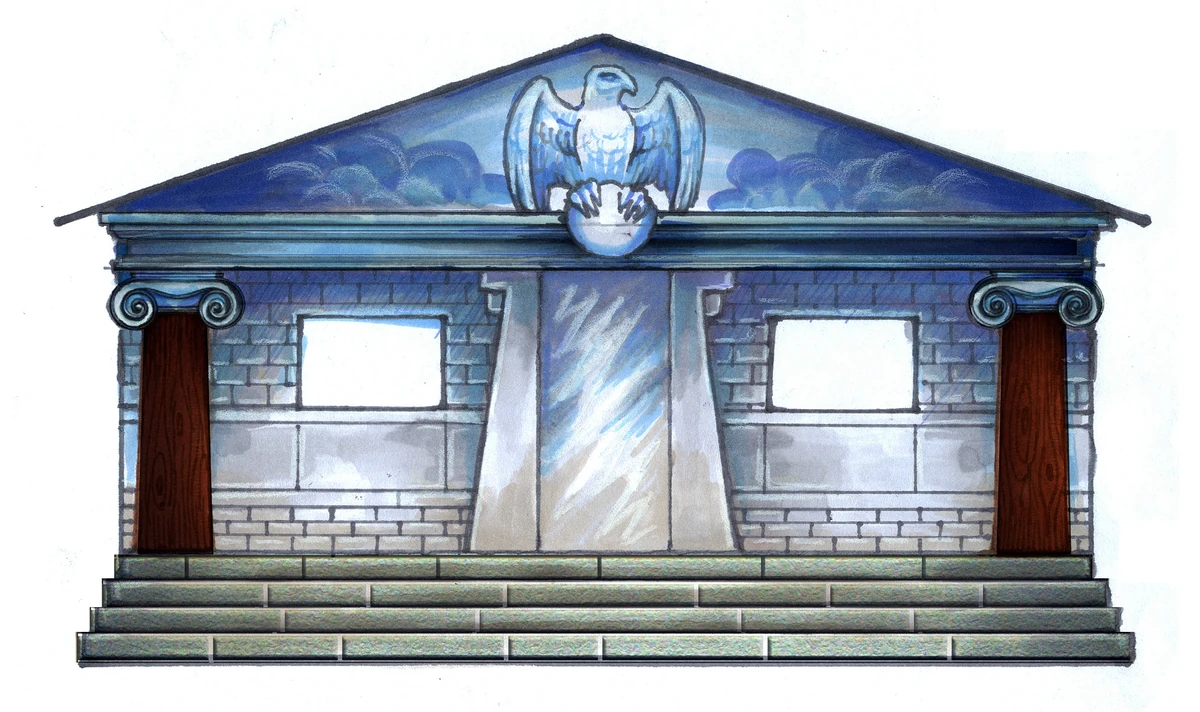
When navigating the intricate world of Rick Riordan’s Percy Jackson series, one of the most captivating elements revolves around the cabins in Camp Half-Blood. Each cabin signifies a unique lineage, a patron deity, and the distinct qualities that define its inhabitants. Consequently, the question arises: “Which Cabin Am I In?” If you are fascinated by Greek mythology and the nuanced character traits each cabin encompasses, this test offers a transformative perspective, one that may simultaneously enlighten and intrigue you.
The establishment of individual cabins in Camp Half-Blood serves a dual purpose: it organizes demigods according to their divine parentage and propels them on personal journeys of self-discovery. The multifaceted nature of these cabins reflects broader themes of identity and belonging, key concepts in both literature and mythology. Thus, engaging in a thoughtful exploration of the cabins can offer revelations about your own personality.
Begin by considering the gods and goddesses represented at Camp Half-Blood. Each deity embodies unique philosophies and attributes that can implicitly inform the characteristics of their respective demigods. For instance, cabin one, dedicated to Zeus, is a sanctuary for the children of the sky god. These demigods are often seen as natural leaders, embodying authority and ambition, yet they may also grapple with the burdens of expectation and responsibility. In contrast, cabin two, associated with Hera, filters the complexities of loyalty and jealousy. Children of Hera may experience the intricate dynamics of power struggles and the weight of their mother’s watchful eye.
As you ponder these qualities, reflect on your own tendencies and how they might align, or diverge, from those of defined cabins. Are you a natural leader like those in Zeus’s cabin, or do you relate more to the nuance of familial loyalty that children of Hera navigate? Such reflections compel a deeper understanding of oneself.
Move forward in your exploration to cabin three, the abode of Poseidon, the god of the sea. This cabin resonates with themes of fluidity, adaptability, and a deep connection to nature. Children of Poseidon often exhibit a profound affinity for water and an intuitive understanding of the natural world. If you find yourself enamored by the ocean’s mysteries, it may signify a kinship with this cabin. The contrasting elemental essence provides yet another layer to comprehensively assess your connection to the divine.
Similarly, cabin four, dedicated to Demeter, emphasizes themes of agriculture, fertility, and nurturing. Demeter’s children often display an intrinsic connection to the earth and its cycles. If you feel a compelling need to cultivate relationships or a passion for the environment, this cabin might resonate with your identity. Reflecting upon the values of nurturing and care can provide insights into your own interpersonal dynamics.
One must not overlook cabin five, associated with Ares, the god of war. This cabin highlights themes of bravery, aggression, and a penchant for conflict. Those who inhabit this cabin may embody a warrior’s spirit, often striving for glory and seeking challenges. Consider whether you find fulfillment in competition or have a propensity for battling through obstacles—elements that may elucidate your affiliation with Ares’ lineage.
Next, cabin six, governed by Athena, encapsulates wisdom, strategic thinking, and ambition. Children of Athena are often perceived as intellectually gifted, balancing analytical prowess with creativity. If you lean towards scholarly pursuits or strategic planning, the intellectual gravitas of this cabin could signify a strong alignment with Athena’s ideals.
Shifting to cabin seven, where Apollo’s children dwell, one encounters themes of art, healing, and prophecy. This cabin embodies creativity and expression—both through the arts and in healing. If you find solace in musical pursuits, poetry, or the healing arts, the Celestial influences of Apollo may resonate profoundly with you.
Cabin eight, signifying Hermes, invites consideration of cunning, messengers, and trade. Children of Hermes often possess swift intellects, navigating complexities with dexterity. If you exhibit traits of adaptability and resourcefulness, or perhaps have a knack for communication, you might find a connection with this cabin’s vibrant energy.
In contrast, cabin nine, dedicated to Hephaestus, encapsulates craftsmanship, innovation, and resilience. Children of Hephaestus are often seen as builders and innovators, bridging creativity and functionality. If you revel in creating or solving practical problems, consider whether the traits of this cabin align with your personal disposition.
As you contemplate cabin ten—associated with Dionysus—you explore themes of revelry, madness, and creativity. Those within this cabin often exhibit passion for life’s pleasures and an understanding of the chaotic beauty of existence. If you find camaraderie in festivities or embody a sense of uninhibited joy, this cabin may represent your essence.
As you reflect on the multifarious attributes associated with each cabin, allow yourself to ponder the questions posed by your own identity. Which traits resonate most deeply with you? How does your unique experience shape your affinity with the gods? The act of engaging with the question “Which Cabin Am I In?” extends beyond mere entertainment; it invites personal introspection and a nuanced understanding of oneself within the rich tapestry of mythology.
In summation, the cabins of Camp Half-Blood serve as metaphors for the diverse spectrum of human experience, each imbued with the potential for growth and discovery. By examining the inherent qualities of these cabins, one can gain insight into their own character and personal journey. Ultimately, each individual is a tapestry woven with distinct threads—threaded with the promise of introspection, curiosity, and profound self-understanding.

Leave a comment