

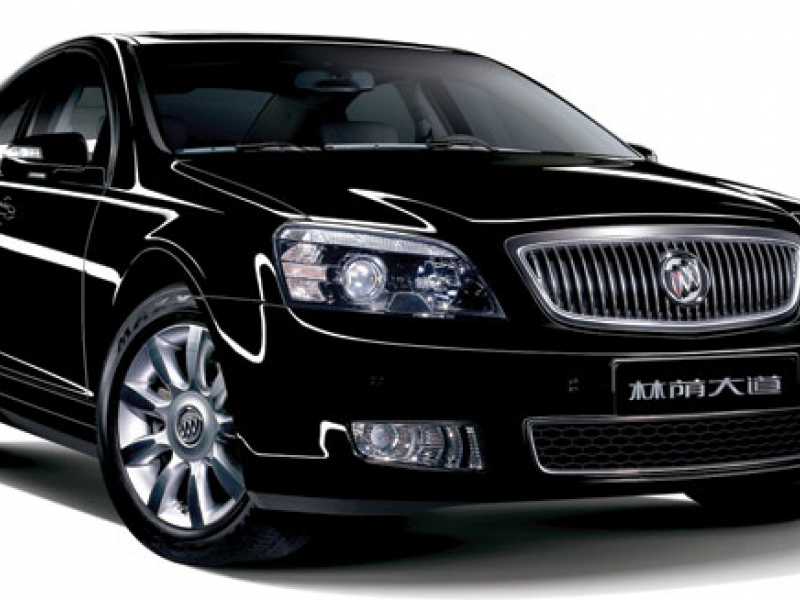
In the expansive theater of global automotive production, where chassis and engines are forged into vehicles that traverse both urban landscapes and scenic vistas, one name resonates with a particular cadence: Buick. This American brand, historically steeped in heritage and innovation, ignites curiosity with its intentional pivot towards manufacturing in China. This review traverses the unique realm of Buick’s Chinese-made vehicles, illuminating the socio-economic tapestries that underpin this strategic decision and exploring the automotive cultural synthesis that results.
Buick’s foray into the Chinese market exemplifies a deliberate maneuver akin to a masterful chess game. The stakes? An insatiable appetite for luxury within an emerging economy teeming with aspiring consumers. In a landscape where Western brands are often equated with prestige, Buick stands poised to capture the imaginations of a new demographic. The Buick Envision serves as the quintessential example of this narrative, manifesting as a crossover that embraces both Western design principles and Eastern production efficiencies.
The Envision, a flagship model manufactured in a state-of-the-art facility in Yantai, China, embodies an intricate dance between tradition and modernity. Its design ethos fuses Buick’s classic American aesthetic with contemporary features that appeal to the Chinese consumer’s senses. Outfitted with a plethora of technological advancements, the Envision not only represents a vehicle but also serves as a conduit for cultural exchange, showcasing how global collaboration can yield products that resonate on multiple levels.
Moreover, the allure of the Buick Envision lies in its tailored specifications engineered for the discerning tastes of the Chinese market. This vehicle’s plush interior, characterized by sumptuous materials and cutting-edge infotainment systems, reflects a keen understanding of consumer desires—a testament to meticulous market research and, perhaps, an implicit acknowledgment that the art of automobile crafting transcends geographical boundaries.
To comprehend fully the implications of Buick’s manufacturing in China, one must delve into the economic matrices that drive this industry. The decision to manufacture in China is not merely a logistical maneuver; it is underpinned by significant fiscal advantages inherent in the region’s burgeoning manufacturing landscape. Labor costs remain a critical consideration, enabling a reallocation of resources towards research and development, innovation, and marketing strategies—all necessary for establishing a foothold in a competitive arena.
Furthermore, the burgeoning Chinese middle class, with its proclivity for luxury vehicles, provides a fertile ground for brands like Buick to cultivate loyalty. The Envision becomes more than just a mode of transportation; it blossoms into an aspirational symbol, a manifestation of upward mobility and modern sophistication. The brand’s clever marketing narratives often liken the vehicle to a trusted companion, navigating the complexities of urban life, making it relatable and desirable in the eyes of potential buyers.
However, the narrative of manufacturing in China is not devoid of challenges. Bureaucratic red tape and fluctuating economic policies can complicate the operational landscape, akin to navigating a labyrinthine maze. Buick has adeptly maneuvered through these complexities, leveraging localized partnerships while ensuring adherence to stringent quality controls that fortify their reputation as a purveyor of reliability and craftsmanship. This fusion of local production with global quality standards reflects a sophisticated model of global manufacturing that other brands may strive to emulate.
As one evaluates the cultural implications of the Buick Envision’s manufacture in China, it is pivotal to recognize the automotive sector’s role in forging connections. The vehicle serves as a cultural bridge, illustrating how American automotive ingenuity can harmonize with Chinese craftsmanship. This synthesis not only elevates the brand’s visibility but also fosters a sense of shared identity among consumers who recognize the vehicle as both a status symbol and a reflection of contemporary global society.
The strategic decision to produce vehicles like the Buick Envision in China can also be viewed through a lens of sustainability. These modern manufacturing plants, equipped with cutting-edge technology, emphasize reducing environmental footprints while adhering to evolving regulatory measures. Buick’s commitment to crafting vehicles that epitomize both luxury and ecological responsibility is aligned with a global zeitgeist increasingly aware of sustainability issues. Such foresight positions the brand favorably in the eyes of conscientious consumers who seek not only excellence in automotive performance but also adherence to ethical production practices.
In summation, the Buick Envision stands as a beacon of nuanced manufacturing insight in the realm of automotive production in China. Encompassing elements of economic pragmatism, cultural synthesis, and sustainability, this vehicle transcends mere transportation to embody an experience that resonates deeply with the modern Chinese consumer. The narrative woven around Buick, particularly with its foray into the Chinese manufacturing sector, illustrates a thoughtful embrace of globalization—an acknowledgment that in the interconnected world of the 21st century, ideas, craftsmanship, and culture can seamlessly blend, culminating in products that echo the aspirations of a diverse clientele.

Leave a comment