

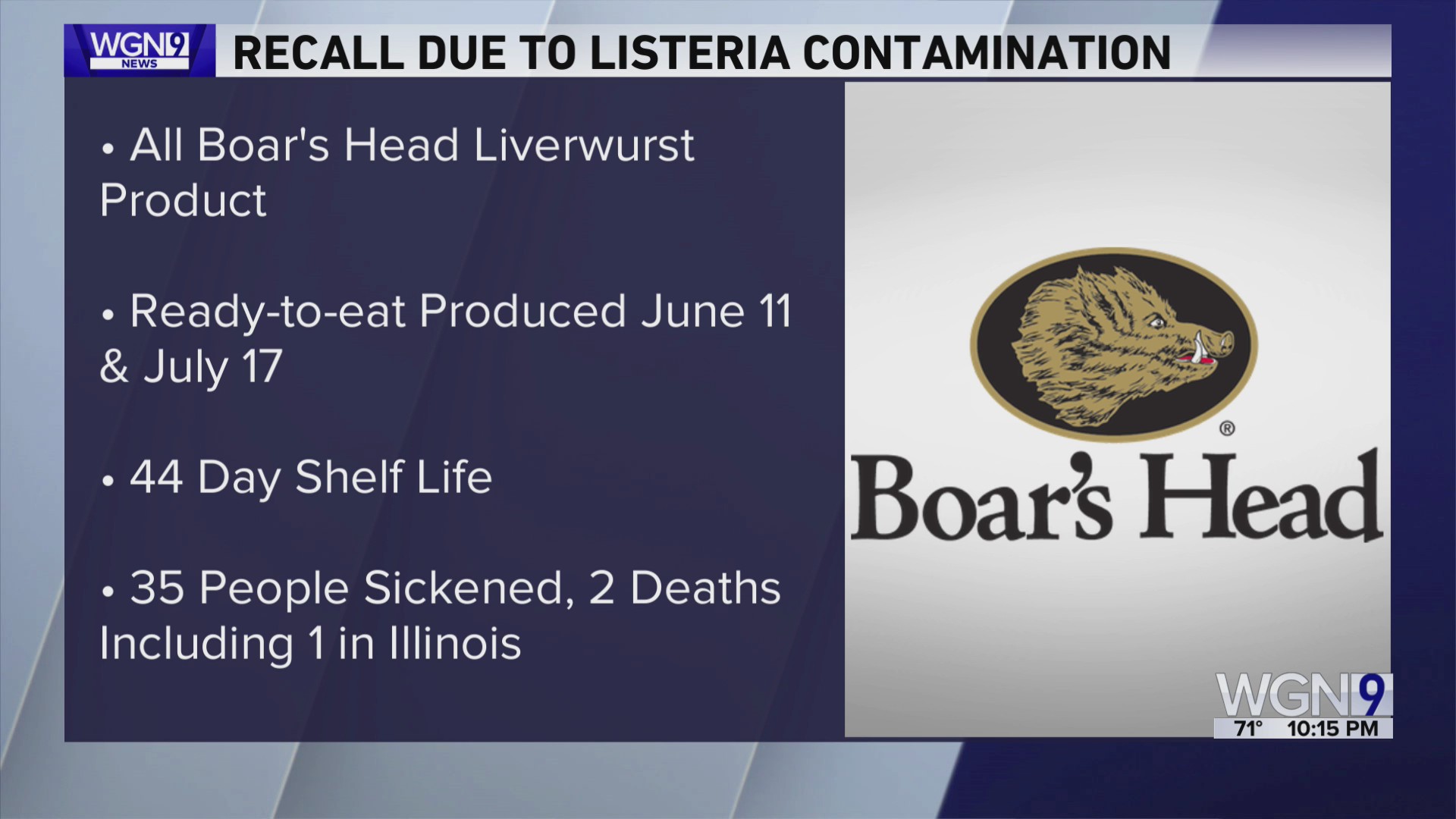
If you’re a fan of deli meats, you might find yourself pondering: What would happen if your favorite Boar’s Head products were suddenly deemed unsafe to eat? This thought not only raises concern but also highlights the importance of food safety and the vigilance required to protect public health. Recent developments surrounding Boar’s Head have brought attention to specific deli meat recalls due to listeria concerns. In this article, we will delve into which particular Boar’s Head meats have been recalled, the implications of these recalls, and the vital role of consumer awareness in preventing foodborne illnesses.
Food safety recalls are often prompted by findings that indicate the possibility of contamination, such as bacterial presence in specific food items. In the case of Boar’s Head, the potential health risk is associated with listeria, a pathogenic bacteria that can cause severe illness and complications, particularly in vulnerable populations such as the elderly, pregnant women, and individuals with weakened immune systems. This situation begs the question: Which products are on the recall list, and what should consumers be aware of when it comes to their food safety?
To address this inquiry, it is crucial to identify the specific Boar’s Head meats that have been recalled. The recent food safety alert specifies several deli meat varieties, with the most commonly affected products listed as follows:
- Boar’s Head Premium Deli Meat – Includes various types of turkey, chicken and roast beef that might be susceptible to listeria.
- Boar’s Head Beef Bologna – This popular deli staple has been included in the recall for potential contamination.
- Boar’s Head Italian Meats – Varieties such as salami and soppressata have also raised concerns as potential vectors for listeria.
Understanding the breadth of the recall is critical. Consumers should take immediate action upon discovering that their purchased products are included in this list. What steps should be taken to ensure safety? Firstly, these products should be discarded, as consuming contaminated food items could result in serious health hazards.
Apart from discarding the recalled meats, consumers need to check the labels and production codes to ascertain whether they possess affected products. The Boar’s Head brand ensures transparency by providing detailed information on their packaging, such as production dates and lot numbers. This diligence allows consumers to cross-reference with recall announcements effectively.
The potential impact of these recalls extends beyond individual health concerns. It warrants a larger discussion on the regulatory mechanisms for food safety and the responsibilities that both manufacturers and consumers share. Food manufacturers must adhere to rigorous safety protocols and procedures to prevent contamination, while consumers should remain informed and proactive about the foods they consume.
Another significant aspect to consider is the larger picture of food supply chains and their inherent vulnerabilities. Contamination can occur at various stages, from production to packaging and distribution. Given this complexity, it is imperative for companies like Boar’s Head to collaborate closely with food safety agencies to implement preventive measures and swiftly respond to any identified risks.
Awareness campaigns are essential tools in educating the public about food safety practices. Food safety agencies frequently utilize these campaigns to disseminate information on the latest recalls and common safety guidelines. They encourage consumers to practice safe food handling techniques, such as washing hands thoroughly, ensuring proper cooking temperatures, and maintaining cleanliness in food storage areas. These simple yet effective strategies are instrumental in mitigating risks associated with foodborne illnesses.
As we consider the ramifications of the Boar’s Head recalls, it is vital to remain vigilant. If you regularly purchase deli meats, integrate a routine check for recall announcements into your shopping habits. Be proactive about educating yourself regarding the foods you consume. Additionally, consider maintaining a food safety journal. Documenting your purchases can assist in identifying potentially affected products should a recall occur.
In conclusion, the recent recalls of Boar’s Head deli meats due to listeria risks serve as a stark reminder of the constant challenges surrounding food safety. This situation poses critical questions regarding consumer awareness and the measures we must take to protect our health. By understanding which products were affected and responding appropriately, consumers can navigate this challenge effectively. Ultimately, the partnership between informed consumers and responsible food manufacturers is paramount in the ongoing pursuit of food safety and public health. Stay informed, be proactive, and prioritize your safety in every bite.

Leave a comment