

Embarking on an exploration of the ancient origins of two of humanity’s most cherished beverages, wine and beer, reveals a fascinating tapestry woven from the threads of history, culture, and agricultural ingenuity. With roots that delve deeply into the annals of history, both beverages possess a narrative rich in complexity. As we navigate this chronicle of fermentation, the question arises: which of these libations emerged first? To unravel this age-old quandary, we must traverse time, examining archaeological findings, ancient texts, and cultural contexts.
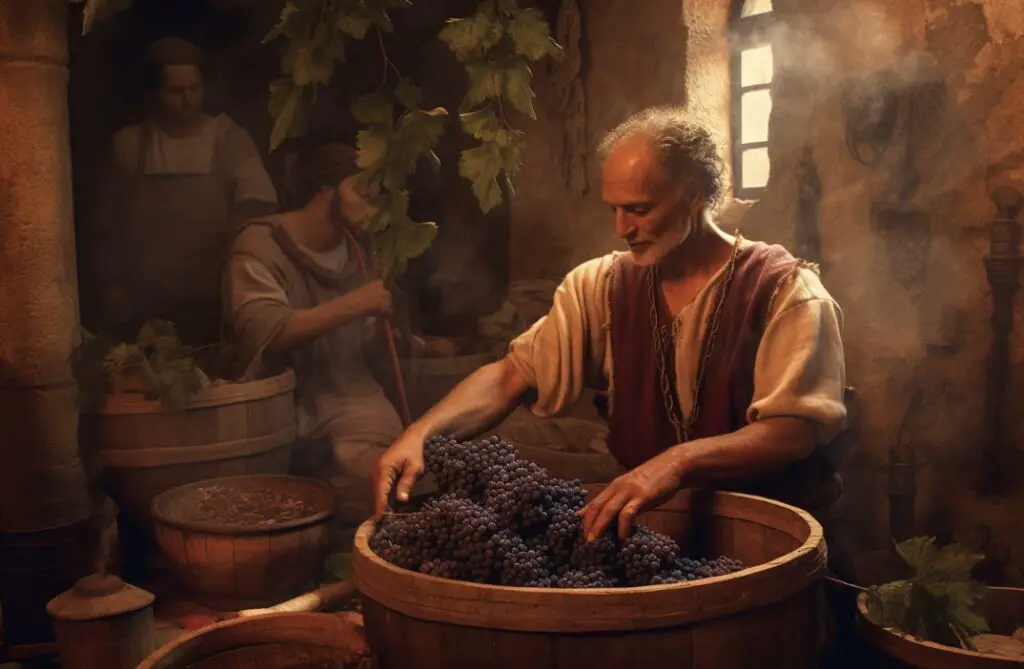
To begin our journey, we must first establish the foundations of these primordial beverages. Wine, with its deep roots embedded in the vineyards of ancient civilizations, presents a case of cultivation intertwined with the very essence of societal evolution. The earliest evidence of winemaking is believed to have emerged in the region now known as modern-day Georgia around 6000 BCE. Here, archaeologists unearthed ancient pottery containing residues of fermented grape juice, indicative of a process that would burgeon into an art form revered across many cultures.
Conversely, beer’s inception finds its origins nestled within the fertile soils of Mesopotamia, with the Sumerians laying claim to an equally ancient history of brewing. The Sumerian civilization, flourishing around 4000 BCE, documented their brewing practices using cuneiform script on clay tablets, providing invaluable insights into their techniques and rituals. The famed “Hymn to Ninkasi,” a Sumerian ode to the goddess of brewing, not only elucidates the brewing process but also hints at the societal significance of beer as a staple in daily life.
As these two beverages took form, the defining characteristics of their production processes became apparent. Wine, a product of the fermentation of crushed grapes, relies heavily on climate and soil conditions—what is known as terroir—to produce nuanced flavors and aromas. Beer, on the other hand, is crafted through the fermentation of grains, typically barley, and relies on water, hops, and yeast to achieve its unique taste and character. This distinction in ingredients and method reveals much about the environmental and agricultural factors paramount to each civilization’s access to resources.
Furthermore, the societal implications of these beverages differ starkly, influencing rituals, trade, and economic structures. Wine, often associated with divinity and the aristocracy, became a symbol of luxury and refined taste. The Greeks, for example, exalted wine, associating it with Dionysian revelry and intellectual discourse. In stark contrast, beer enjoyed a more democratized status, often regarded as the drink of the common populace. The very structure of ancient Mesopotamian society often revolved around the consumption of beer, with taverns serving as communal hubs for social interaction.
Exploring the nuances of timing, evidence suggests that beer as a fermented beverage likely predates wine, with the first known recipes for beer emerging prior to that of wine. The cultivation of grains for beer production precedes the agriculture of viticulture. Estimates posit that while wine production appears around 6000 BCE, the fermentation of barley may extend as far back as 7000 BCE. It paints a picture in which early humans, perhaps stumbling upon the fermentation process, began crafting beer long before the cultivation of grapevines commenced.
In disparate regions, ancient peoples honed their craft—a testament to humanity’s innovative spirit. The Egyptians, too, revered both beverages, with beer being a dietary staple among workers and wine gracing the tables of pharaohs. This celebratory dualism underscores not just the consumption of these drinks, but the cultural narratives interwoven with their existence. Religious rites and funerary practices often incorporated both wine and beer, symbolizing nourishment in the afterlife as well as the bonding of community.
Examining the cross-cultural exchange of brewing methods and agricultural practices sheds light on the evolution of these beverages. Ancient trade routes fostered an exchange of ideas, allowing for the refinement of techniques. The influence of neighboring regions can be discerned; for instance, the introduction of hops to beer production in Europe transformed the flavor profile, resulting in the diverse beer styles we see today.
Thus, as we scrutinize the timeline of these beverages, it becomes essential to understand the relationships they forge with humanity. Both beer and wine have transcended their utilitarian origins to become vessels for community, celebration, and creativity. They embody the essence of gathering—of laughter shared over shared cups, of traditions passed down through generations, and of rites steeped in cultural significance.
In conclusion, while evidence may suggest that beer emerged as the elder sibling in the family of fermented drinks, the story is far from linear. Wine and beer continue to evolve alongside humanity, their narratives entrenched in our social fabric. Whether consumed to toast a triumphant occasion or to simply relax at day’s end, the allure of these beverages remains undeniable. The true journey of wine and beer is one that celebrates the human spirit, uniting us in the appreciation of craftsmanship, the joy of fellowship, and the timeless quest for pleasure.

Leave a comment