

In the vast realm of automotive aesthetics, color choices emerge as the silent sentinels, defining a vehicle’s identity while simultaneously wielding the power to obscure a myriad of imperfections, especially the bane of dirt accumulation. The interplay between color and maintenance represents a meticulous dance, wherein certain hues take the lead, elegantly concealing grime and detritus, while others plead for regular attention. It is this intricate ballet of shades and their practical implications that warrants scrutiny, particularly for those who relish a vehicle that mirrors both beauty and ease of upkeep.
To comprehend which colors serve as the most effective guardians against the specter of dirt, one must embark on a journey through the chromatic spectrum, evaluating the characteristics that render certain shades more adept at maintaining a pristine appearance. Generally, lighter colors, such as white and champagne, tend to highlight dirt due to their reflective nature. Conversely, deeper hues, such as black and navy blue, adeptly mask imperfections but may demand more frequent washing to unveil their underlying luster.
Among the most compelling choices for those seeking to shroud their vehicles in a cloak of cleanliness is the enchanting realm of metallic tones. The finish of metallic paint interacts splendidly with light, creating a kaleidoscope of reflections that effectively camouflage dirt and debris. Colors such as silver and gunmetal gray possess an innate ability to disguise dust, while their lustrous sheen adds a layer of sophistication that enhances the vehicle’s overall appeal. In many respects, metallic hues operate like a magician’s cape, concealing the imperfections of life beneath a radiant guise.
Equally noteworthy are medium shades of beige and taupe, which embody a harmonious amalgamation of light and dark attributes. These colors tend to blend dirt into their textured fabric, softening the stark contrast often seen with lighter or darker shades. The unique appeal of beige and taupe lies in their versatility, allowing vehicles draped in these colors to elude the relentless march of dirt while exuding an air of understated elegance.
Furthermore, earthy tones such as olive green and brown also prove effective allies in the battle against visible grime. These colors, inspired by nature, reflect the hues found in the environment, allowing them to camouflage dirt seamlessly. An olive green vehicle can echo the ambiance of a forest, often rendering dirt akin to mere shadows in the underbrush. Brown, reminiscent of rich soil, creates a cohesive aesthetic that harmonizes with organic elements while keeping maintenance issues at bay.
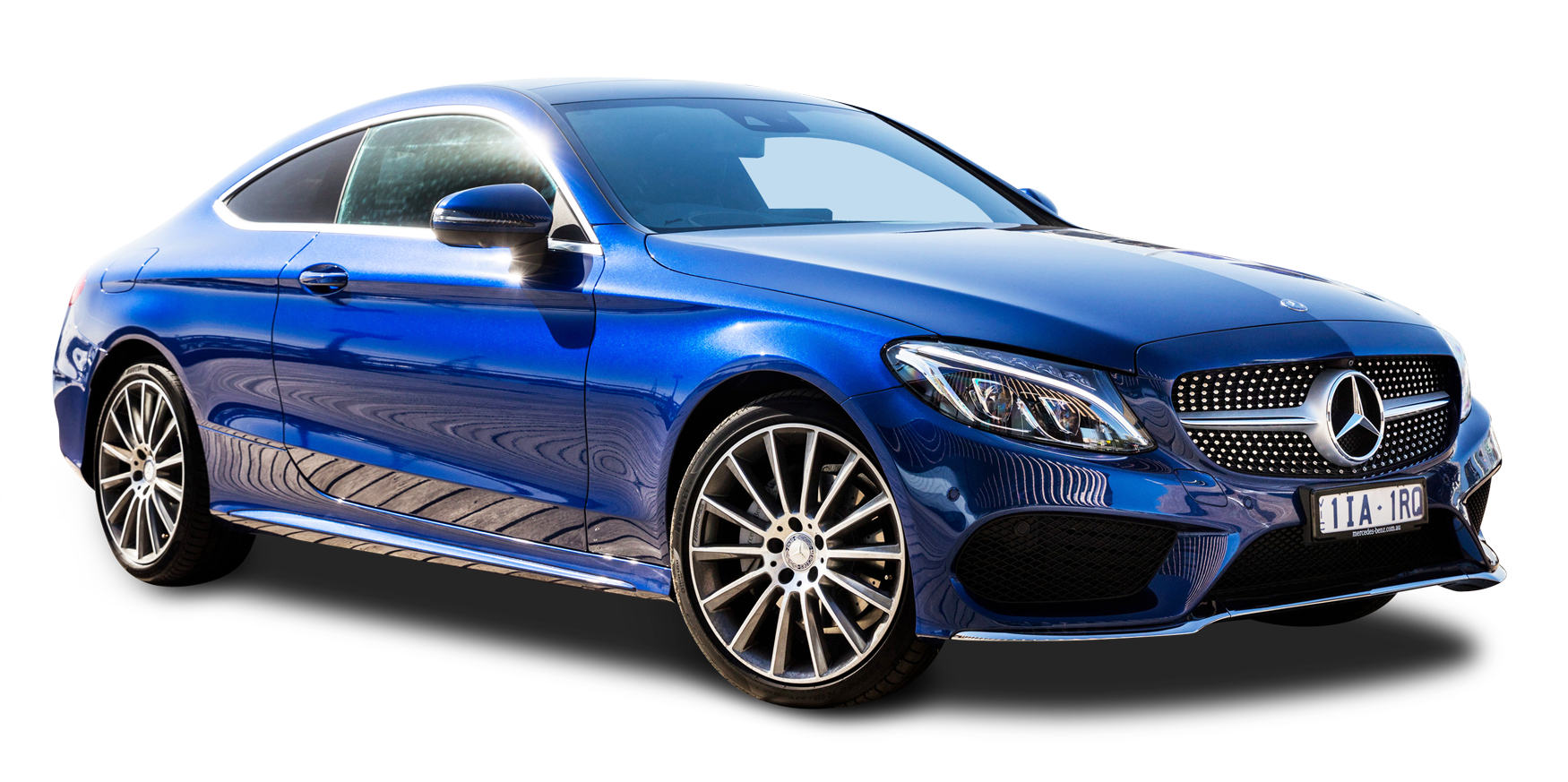
However, one must not overlook the vibrant possibilities offered by certain shades of blue. Deep navy and teal can ingeniously disguise dirt, with their dark undertones absorbing more light and thereby masking imperfections. These hues evoke a sense of calmness and sophistication, much like the steady depths of the ocean. A car painted in a deep blue can glide through city streets with the allure of the sea, appearing both polished and effortless in its maintenance.
Transitioning from solid colors, we encounter the option of matte finishes. This innovative approach to automotive paint bespeaks a modern sensibility, illustrating a willingness to subvert traditional norms. However, it is essential to note that while matte may initially obscure dirt, its porous surface can render it more challenging to clean in the long term. Owners may find themselves caught between the allure of contemporary style and the persistent reality of maintenance obligations.
In stark juxtaposition to previous choices are the classic shades of black and white. While black is often celebrated for its sleekness and elegance, it requires a more disciplined cleaning regimen. Dust, pollen, and smudges will reveal their presence with stealth, compelling the owner to engage in frequent polishing rituals. White, conversely, amplifies every speck of dirt against its pristine canvas, demanding an unwavering commitment to cleanliness. Both colors possess a timeless charm, yet they require a certain level of dedication that may not appeal to the maintenance-weary driver.
Ultimately, the selection of a vehicle color rests upon an array of personal preferences, intended usage, and lifestyle considerations. Those who prioritize ease of maintenance might gravitate toward deep greens, grays, and metallics that offer both visual allure and pragmatic benefits. Yet, it is imperative to strike a balance; while choosing a color that conceals dirt effectively, it is equally important to align with personal identity and aesthetic desires, ensuring that the chosen hue evokes confidence and satisfaction.
In conclusion, the intricate relationship between car color and dirt visibility weaves a complex tapestry that extends beyond mere aesthetics. The ideal choice necessitates a thorough understanding of color properties, environmental alignment, and practical implications. Selecting a vehicle that hides dirt effectively is not merely a quest for cleanliness; it represents a dual commitment to practicality and personal expression. In the end, the right color can embolden the spirit of the driver, transforming the mundane chore of maintenance into a seamless expression of one’s unique narrative.

Leave a comment