

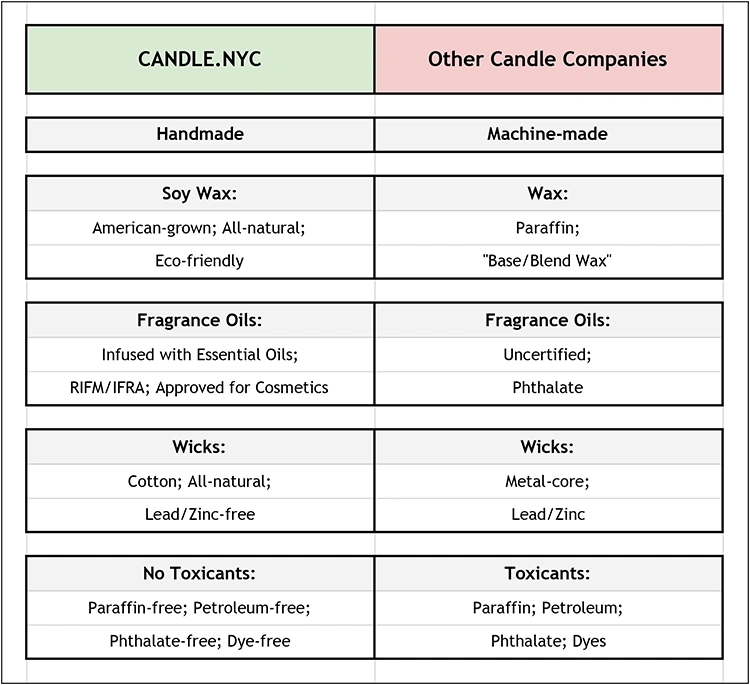
Candles have transcended from mere sources of light to integral accessories that enhance ambiance, create a soothing atmosphere, and infuse spaces with delightful fragrances. However, not all candles are created equal. Several traditional candle formulations contain harmful ingredients that can pose significant health risks. In this exploration, we will delve into the lesser-known toxic substances commonly found in candles and provide elucidation on how to choose safer alternatives.
1. Paraffin Wax: The Fragrant Culprit
Predominantly used for its affordability and excellent scent throw, paraffin wax is derived from petroleum. When burned, it releases potentially carcinogenic compounds such as toluene and benzene into the atmosphere. These emissions can have deleterious effects on respiratory health and may exacerbate conditions like asthma. The chemical structure of paraffin wax allows it to burn at high temperatures, which further contributes to the release of these toxins. Hence, reconsidering paraffin-based candles is paramount for health-conscious consumers.
2. Synthetic Fragrances: A Veil of Deception
The allure of scented candles often masks the presence of synthetic fragrances, composed of myriad undisclosed chemicals. These compounds can trigger allergies, headaches, and exacerbate respiratory issues. Moreover, the term “fragrance” is often a proprietary secret, making it elusive for consumers seeking transparency. Many synthetic fragrances release phthalates, which have been linked to endocrine disruption. Opting for candles scented with natural essential oils can mitigate these risks and enhance your olfactory experience.
3. Dyes and Colorants: Aesthetic Appeal or Health Hazard?
Dyes and colorants imbue candles with their vibrant hues, yet many of these artificial additives are derived from toxic sources. Often petroleum-based, these colorants can release harmful fumes when burned, making them detrimental to indoor air quality. Furthermore, certain pigments can contain heavy metals, which pose significant health risks, particularly with prolonged exposure. Consumers should seek out candles crafted with natural dyes or those that are unscented and color-free to ensure safety.
4. Wicks: The Overlooked Component
While the wax and fragrance often garner the most attention, the wick is equally crucial. Historically, many candle wicks contained lead, which poses severe health risks, particularly to children and pregnant women. Although the practice has diminished, it is prudent to confirm that candle wicks are made from materials like cotton or wood, free from metal and harmful chemicals. This simple check can significantly reduce exposure to airborne pollutants.
5. Additives: The Hidden Dangers
Additives such as stabilizers and preservatives enhance the shelf life and performance of candles. However, many of these substances can be harmful. For instance, some candles contain acetone or other volatile organic compounds (VOCs) that can evaporate into the air, contributing to indoor air pollution. As a rule of thumb, it is advisable to select candles that specify they are free from harmful additives and exhibit a commitment to sustainability and natural ingredients.
6. Choosing Natural Alternatives: A Breath of Fresh Air
With the myriad of harmful ingredients lurking in conventional candles, the demand for safer alternatives has grown exponentially. Beeswax and soy candles have emerged as preferred choices amongst environmentally conscious consumers. Beeswax, derived from honeycombs, burns cleanly and produces negative ions that may purify the air. Soy wax, a plant-based alternative, is biodegradable and typically releases fewer toxins. Additionally, opting for candles with natural essential oils provides the delightful scents without the associated risks of synthetic fragrances.
7. The Importance of Ventilation
Even when selecting the safest candles, proper ventilation remains a critical factor in minimizing exposure to potential toxins. Ensuring that the space where candles are burned is well-ventilated can significantly reduce harmful concentrations of airborne contaminants. Opening windows or utilizing air purifiers can create a healthier indoor environment. Furthermore, limit the duration of candle use to mitigate the accumulation of smoke and other particulates.
8. Educating Consumers: Awareness is Key
In an age where consumer awareness is crucial, educating oneself about candle ingredients is essential. Scrutinizing labels and conducting research on brands can empower individuals to make informed decisions. Promoting the importance of transparency and clean ingredients in the candle industry encourages producers to prioritize health and safety over mere profit. By advocating for safer alternatives and enlightening those around you, we can collectively foster a healthier society.
Conclusion
Candles can be a source of comfort and beauty; however, vigilance is necessary to avoid harmful toxins. Understanding the ingredients in candles, from paraffin wax to synthetic fragrances, unveils a concealed truth that demands attention. By opting for natural alternatives, ensuring proper ventilation, and educating ourselves and others, we can create a more wholesome ambiance in our homes. The pursuit of serenity through candlelight does not need to come at the cost of our well-being; the choice is ours to make, illuminating a healthier path forward.

Leave a comment