

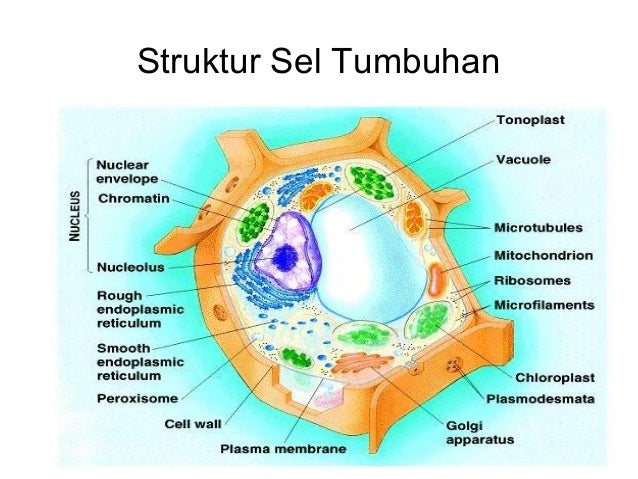
The intricate architecture of cellular structure plays a pivotal role in maintaining the integrity and functionality of muscles across various organisms. Among the components that form this architecture, the cytoskeleton serves as a central framework, composed of a dynamic network of protein filaments. This article delves into the specific fiber types within the cytoskeleton that are critical for muscle function, particularly focusing on their contributions to muscle development, contraction, and overall cellular mechanics.
At the heart of muscle cells lies a remarkable fiber known as actin, a principal constituent of the cytoskeleton. Actin filaments, also referred to as microfilaments, are crucial for muscle contraction and cellular motility. Their polymerization and depolymerization serve as a foundation for the contraction mechanism in muscle fibers. Actin filaments interact with myosin, a motor protein, during muscular contractions, facilitating the sliding filament theory that underpins muscle physiology. The spatial arrangement of actin within the sarcomere, the fundamental unit of a muscle, illustrates its central role in muscle architecture and function.
In addition to actin, another key fiber is intermediate filaments, which provide structural support and tensile strength to muscle cells. Composed of various proteins depending on cell type, these filaments maintain the integrity of the cellular structure in response to mechanical stress and strain. Keratin and vimentin are notable examples of intermediate filaments found in muscle cells. These proteins not only bolster cellular shape but also facilitate intracellular signaling, which is essential for processes such as muscle repair and regeneration.
The third major component of the cytoskeleton in relation to muscle function is microtubules. These are hollow tubes made of tubulin proteins that not only contribute to the overall rigidity and shape of the cell but also play a vital role in intracellular transport. In muscle cells, microtubules facilitate the movement of organelles, vesicles, and even the signaling molecules necessary for effective muscle contraction. Their dynamic nature allows for quick reconstruction in response to cellular needs, illustrating their versatility in muscle physiology.
Each of these cytoskeletal elements—actin, intermediate filaments, and microtubules—interconnect and collaborate within the muscle cell, forming a cohesive network essential for various functions. For instance, during muscle contraction, the coordinated activities of these filaments bring about the necessary adjustments in cell tension and shape. This interaction not only propels muscle shortening but also enables the muscle to return to its resting state following contraction.
The interplay between these cytoskeletal fibers is further emphasized in the context of cellular signaling pathways. These pathways regulate the function of actin, myosin, and other proteins that contribute to muscle contraction and relaxation. For example, calcium ions play a vital role in signaling muscle contraction by promoting the binding of myosin to actin. The subsequent change in filament organization necessitates a responsive cytoskeleton that can adapt to these biochemical signals efficiently.
The mechanical strength provided by intermediate filaments cannot be understated. Their presence is particularly crucial during intense physical activities that subject muscles to excessive stress. Adequate assembly of these filaments ensures that cells withstand the strains that arise during contraction cycles. Furthermore, defects in intermediate filament composition can lead to myopathies and muscular dystrophies, underscoring their importance in muscle health and function.
Moreover, the coordinated actions of these cytoskeletal fibers are governed by various regulatory proteins that modulate their dynamics. Profilin and cofilin are two such actin-binding proteins that regulate actin polymerization and depolymerization, thereby influencing muscle contraction. Additionally, microtubule-associated proteins stabilize microtubules and facilitate their interactions with other cellular components. Understanding these regulatory mechanisms is crucial for grasping how cells maintain their architectural integrity while enabling movement.
A fascinating aspect of cytoskeletal dynamics is its adaptability. Under conditions of muscle hypertrophy or atrophy, cytoskeletal elements can undergo considerable remodeling. Resistance training stimulates an increase in actin and myosin filament production, contributing to muscle growth. Conversely, inactivity can lead to a depletion of these proteins, resulting in muscle atrophy—a testament to the plasticity of the cytoskeleton.
In conclusion, the cytoskeletal architecture of muscle cells, primarily governed by actin, intermediate filaments, and microtubules, is fundamental to their functional capabilities. These cytoskeletal fibers are not merely structural components; they actively participate in the complex processes that underlie muscle contraction, cellular signaling, and mechanical resilience. Future research into the molecular intricacies of this framework promises to unlock further insights into muscular health, disease, and therapies aimed at restoring or enhancing muscle function.

Leave a comment