

In the contemporary automotive landscape, the integration of advanced technology has transcended conventional driving experiences. GPS tracking capabilities in vehicles have evolved from being merely ancillary features to essential components of modern automobiles. This article provides a comprehensive analysis of various car brands that incorporate built-in GPS tracking systems, delving into the nuances of technology, performance, and user experience.
Understanding GPS Tracking in Vehicles
GPS tracking in vehicles serves numerous purposes, including enhancing navigation, increasing security, and facilitating fleet management. By leveraging satellite technology, these systems can pinpoint a vehicle’s location with remarkable accuracy. Furthermore, the functionality can extend to real-time monitoring and recovery in the event of theft, thereby providing peace of mind to vehicle owners.
Factors Influencing GPS Tracking Technology
Several factors contribute to the effectiveness of GPS tracking in vehicles. These include the quality of the GPS system, the coverage area, and the integration with other smart technologies within the vehicle. Vehicle brands that excel in these areas routinely update their systems to accommodate changes in technology and consumer expectations.
Top Car Brands Featuring Built-in GPS Tracking
A myriad of automobile manufacturers has embraced GPS tracking systems. Here, we discuss a selection of eminent brands that stand out in the domain of technology-driven vehicle navigation. Each brand is scrutinized for its unique approach to GPS integration, overall performance, and user satisfaction.
Tesla
Tesla represents a paradigm shift in automotive technology, with its vehicles constructed around sophisticated software systems. Tesla vehicles come equipped with an extensive GPS tracking system that significantly enhances navigation and vehicle security. The Tesla app allows owners to track their vehicles in real-time, control various functions remotely, and receive alerts about the vehicle’s status. The seamless integration with Tesla’s Autopilot feature further illustrates the potential of advanced GPS technology in modern driving.
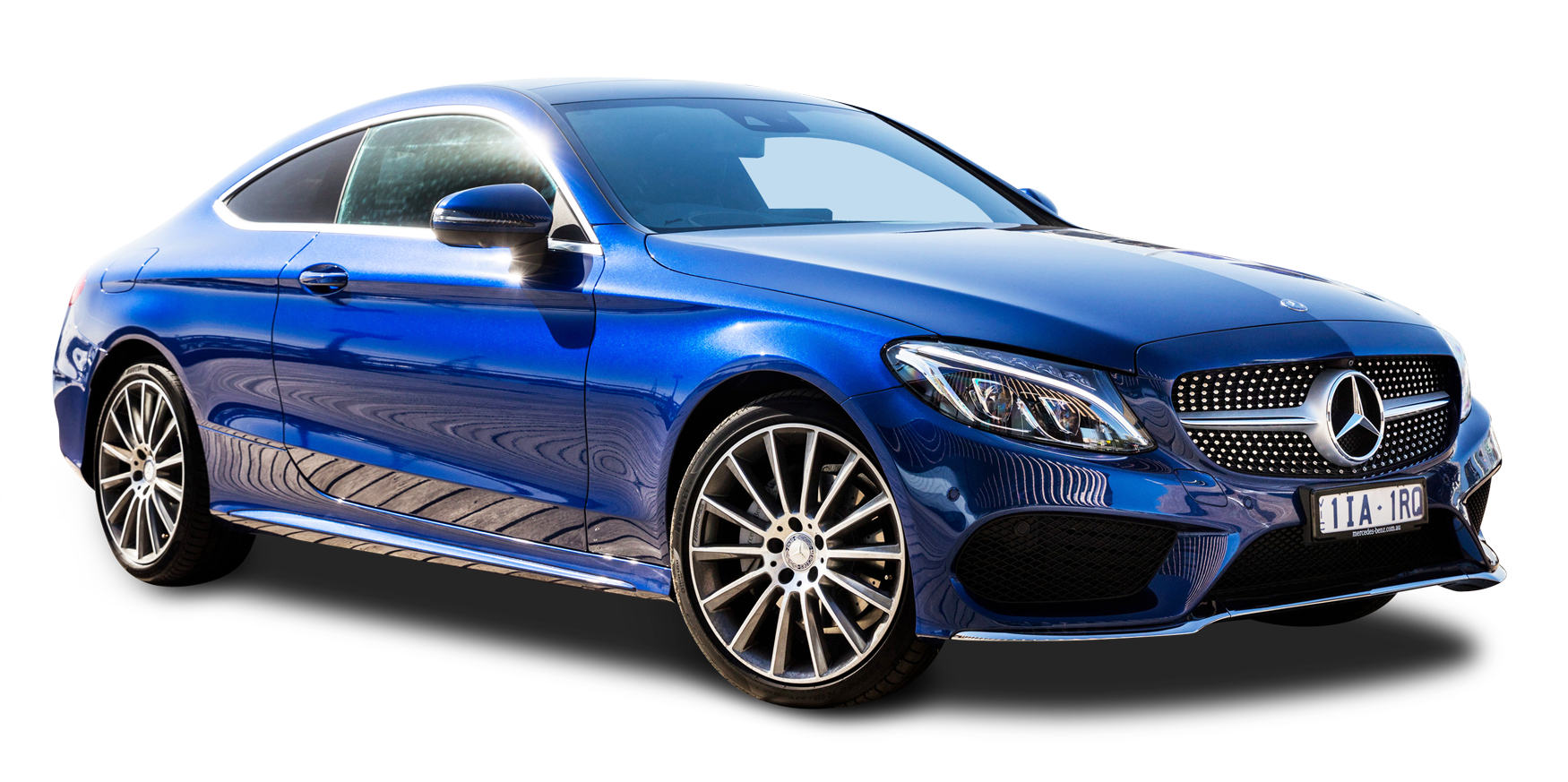
Mercedes-Benz
Mercedes-Benz has long been synonymous with luxury and innovation. The brand’s MBUX (Mercedes-Benz User Experience) infotainment system incorporates GPS navigation that is intuitive and user-friendly. Real-time traffic updates and voice-activated controls make driving not only easier but safer as well. Additionally, the GPS tracking feature plays a crucial role in security, enabling users to locate their vehicles efficiently, while also offering geofencing capabilities to alert owners if the vehicle moves outside designated areas.
BMW
The BMW ConnectedDrive system epitomizes the amalgamation of luxury and technology. This system incorporates advanced GPS functionalities that allow drivers to plan routes intelligently and access real-time traffic information. Moreover, the ability to locate a vehicle via a smartphone app bolsters security for the owner’s peace of mind. BMW’s commitment to software updates ensures that the GPS features remain cutting-edge, adapting to new technologies and user needs.
Ford
Ford has embraced technology through its FordPass app, which includes GPS tracking for its vehicles. The FordPass app empowers owners to locate their vehicle quickly, manage various vehicle functions, and receive notifications about vehicle health. This feature is especially valuable for users who operate fleet vehicles, as it enables efficient tracking and management of assets in real time. Ford’s approach showcases how mainstream brands are incorporating high-tech features traditionally found in luxury vehicles.
Honda
Honda has made significant strides in integrating GPS technology within its lineup, particularly with the HondaLink system. This technology provides users with convenience features such as remote access to vehicle location and diagnostic information. Honda’s commitment to user-friendly interfaces allows for an optimal blend of functionality and ease of use, ensuring that GPS features complement the driving experience rather than complicating it.
Subaru
Subaru’s commitment to safety is evident in its Starlink system, which includes built-in GPS capabilities. This system offers vehicle tracking, emergency assistance, and navigation features, reinforcing Subaru’s reputation for safety-conscious vehicles. Starlink’s interface is designed to be intuitive, ensuring that drivers can access vital information without distraction, thus enhancing overall road safety.
Conclusion: The Future of GPS Tracking in Vehicles
As automotive technology continues to evolve, the integration of GPS tracking systems is becoming more sophisticated. The aforementioned brands exemplify the diverse applications of GPS technology, ranging from luxury offerings to practical solutions for everyday drivers. Consumers increasingly favor vehicles equipped with such tech-savvy features, as they enhance convenience, safety, and peace of mind. The future will likely see even more innovation, as manufacturers explore ways to expand the functionalities of GPS systems and enhance the overall driving experience.
In analyzing these brands, it is crucial to understand that consumer preferences will increasingly dictate the evolution of GPS technology in vehicles. As the demand for smart technology grows, manufacturers will undoubtedly continue to refine their offerings, ensuring that the vehicle of tomorrow not only meets but exceeds expectations in terms of navigation and tracking capabilities.

Leave a comment