

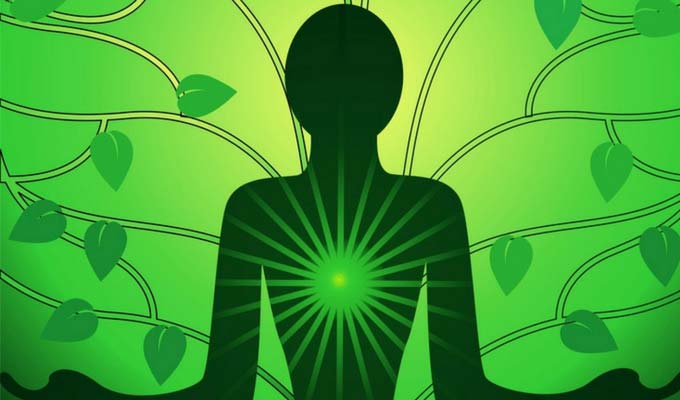
The exploration of chakras, integral to numerous spiritual and metaphysical philosophies, unveils a profound tapestry woven into the fabric of human existence. Among these energy centers, the heart chakra, or Anahata, holds a preeminent place, symbolizing the color green. This visceral hue evokes a sense of balance, harmony, and rejuvenation. With its nuanced meanings and subtle energies, the heart chakra provides a compelling lens through which one can better understand both emotional well-being and interpersonal connections.
The heart chakra is situated at the center of the chest, aligning with the physical organ it represents. This strategic positioning is significant; it serves as a metaphorical and literal nexus between the lower three chakras, which focus on basic survival and personal power, and the upper chakras that delve into spiritual and intellectual realms. In essence, the heart chakra embodies the bridge between the material and the spiritual, facilitating a profound connection to both self and others.
The vibrant green associated with the heart chakra resonates with the essence of love, compassion, and healing. Green, as a color of nature, encapsulates revitalization and growth, symbolizing the flourishing of relationships and inner harmony. This relationship between green and the heart chakra invites a deeper investigation into how emotional health can thrive when this energy center is balanced and open.
When the heart chakra is balanced, it manifests as an ability to experience love and empathy, not just towards others but also towards oneself. Individuals find themselves effective communicators, able to express their feelings candidly and cultivate meaningful connections. During these moments of harmony, the heart chakra facilitates the ability to forgive, allowing individuals to transcend feelings of bitterness and resentment. Such liberation fosters mental clarity, emotional resilience, and a deeper appreciation for the interconnectedness of all beings.
Conversely, an imbalanced heart chakra can lead to emotional turbulence, revealing a spectrum of dysfunction. Physical symptoms may present themselves in the form of chest pains, respiratory problems, or issues involving the circulatory system. Emotionally, individuals may grapple with feelings of isolation, jealousy, or anger, showcasing an inability to form or maintain healthy relationships. Such manifestations underscore the importance of nurturing this chakra, as neglect can lead to profound emotional pain.
Understanding the signs of an imbalanced heart chakra is essential for those seeking to foster love and connection in their lives. Frequent mood swings, an aversion to intimacy, or an overwhelming sense of apathy may signal disturbances within this energy center. Greater awareness of these indications can empower individuals to engage in practices that promote healing and restoration. Inside this context lies the exploration of effective methods to achieve balance.
Several holistic approaches can aid in realigning the heart chakra. First and foremost, mindfulness and meditation serve as invaluable tools. Visualization techniques, particularly those focused on the color green, can facilitate a reconnection with the energy of the heart chakra. Envisioning a radiant green light surrounding the heart area during meditation can stir feelings of love and compassion. Such practices cultivate a sense of safety and openness, making it easier to receive and express love. Incorporating deep breathing exercises into this routine can further aid in calming the mind and centering one’s emotional landscape.
Another pivotal aspect in healing the heart chakra lies in the realm of sound. The frequency of the heart chakra resonates with the musical note F. Listening to music that incorporates this note or engaging in sound healing practices, such as chanting or singing bowls, can help align and invigorate the heart chakra, further enhancing emotional fluidity.
Nourishment also plays a crucial role in heart chakra health. Diets inclusive of fresh, green vegetables such as kale, spinach, and broccoli can energize this chakra. Consuming foods that emit vibrant green colors can amplify the chakra’s frequencies, fostering emotional balance. Additionally, herbal remedies that promote heart health, such as hawthorn berry and rose, can also be beneficial. Incorporating herbal teas imbued with these ingredients may further assist in maintaining a healthy heart chakra.
Moreover, practicing acts of kindness and compassion can be transformative for heart chakra alignment. Engaging in volunteer work, extending gratitude to others, or simply offering support to those in need fosters an environment of love and connection, reinforcing the heart chakra’s purpose. Such acts not only benefit others but also cultivate a space for self-love, critical for emotional resilience and fulfillment.
It is also important to surround oneself with nurturing relationships. The social connections we maintain impact our emotional state, guiding our energy flow. Engaging in supportive friendships and romantic partnerships that encourage vulnerability and open communication can enhance the vitality of the heart chakra. The fostering of a healthy relational dynamic allows the heart chakra to flourish, promoting both personal and communal healing.
In concluding this discussion on the heart chakra, one cannot overlook its inherent connection to the broader fabric of existence. The balanced heart chakra acts as a conduit of universal love, reflecting a profound truth: we all yearn for connection, acceptance, and love. By embracing the qualities embodied by the heart chakra—compassion, empathy, and forgiveness—we not only enhance our own emotional health but also contribute to the collective healing of humanity. The journey towards a balanced heart chakra, while deeply personal, illuminates the interconnectedness that binds us all, inviting us to honor both our individual and collective paths towards love and harmony.

Leave a comment