

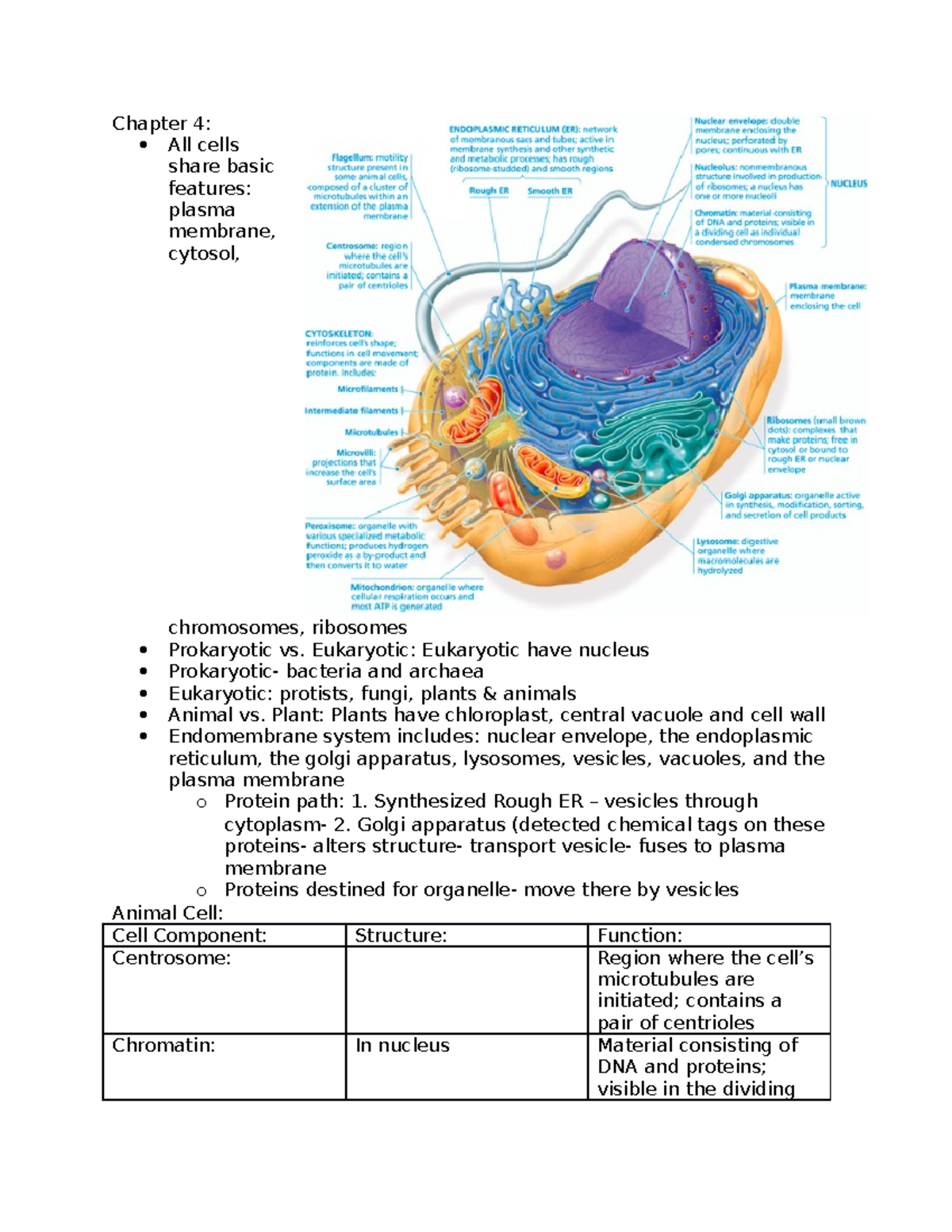
Cell biology is a profound and intricate field that encompasses the study of the fundamental unit of life: the cell. Across various biological classifications and domains, all cells exhibit certain universal characteristics, which delineate them from non-cellular entities. This discussion centers on one characteristic that is shared universally by all cells: the presence of a plasma membrane. Understanding this feature not only provides insights into cell structure but also informs us about cellular functionality and the interactions that cells engage in within their environments.
Cells can be categorized into four primary types: prokaryotic cells, eukaryotic plant cells, eukaryotic animal cells, and eukaryotic fungal cells. Despite the diversity in their structural organization and functional capabilities, all these cells maintain a plasma membrane, which serves as a critical interface between the internal cellular environment and the external milieu.
The plasma membrane, often referred to as the phospholipid bilayer, is composed primarily of phospholipids, cholesterol, and embedded proteins. This intricate architecture is pivotal for maintaining homeostasis within the cell, as it selectively permits the passage of molecules and ions. The semipermeable nature of the membrane is a consequence of its lipid bilayer structure, which inherently restricts the movement of polar molecules and ions while facilitating the diffusion of nonpolar substances.
In prokaryotic cells, such as bacteria, the plasma membrane is often complemented by a rigid cell wall, which provides additional protection and structural support. However, the fundamental role of the plasma membrane as a gatekeeper is paramount. It regulates the influx and efflux of nutrients, waste products, and signals, thus orchestrating a symphony of metabolic processes necessary for survival. For instance, the uptake of glucose through specific transporter proteins is an excellent illustration of how prokaryotes harness their membrane structure to sustain cellular activity.
Eukaryotic cells, comprising plants, animals, and fungi, exhibit a more complex array of membrane structures and functionalities. In plant cells, the plasma membrane is situated beneath a robust cell wall primarily composed of cellulose, offering both structural integrity and protection. Yet, the plasma membrane remains the critical site for molecular exchange and communication. Organelles such as chloroplasts and mitochondria, which themselves are surrounded by double membranes, arise from this primitive plasma membrane framework, thus highlighting its evolutionary significance.
Within eukaryotic animal cells, the plasma membrane plays an equally vital role while displaying an intricate topography infused with various proteins. These membrane proteins’s versatility enables intercellular communication, signaling pathways, and immune responses. For example, receptor proteins can bind ligands, triggering cascades of intracellular events essential for regulating cellular behavior. The intricate modalities of the plasma membrane underscore how cells perceive and respond to their environments, facilitating processes such as cell growth, differentiation, and immune reactions.
In fungal cells, the plasma membrane is integral for establishing cell identity and function. The presence of ergosterol instead of cholesterol within the membrane delineates fungal cells from their animal counterparts, further augmenting the diversity in membrane composition across cell types. This adaptation reflects the evolutionary pressures faced by fungi, allowing them to thrive in varied ecological niches while maintaining cellular integrity.
The plasma membrane’s role extends beyond structural implications; it also serves as a platform for signal transduction and metabolic interactions. The fluid mosaic model aptly captures the dynamism of the plasma membrane, wherein lipids and proteins are in constant motion, facilitating myriad interactions. This fluidity is critical for the membrane’s function, allowing for the lateral movement of proteins and lipids which is essential for processes such as endocytosis and exocytosis.
Importantly, the plasma membrane is also involved in maintaining the electrochemical gradient essential for many cellular functions. In neurons, for example, the differential distribution of ions across the membrane generates an action potential, allowing for signal propagation along the length of the cell. Such excitability is a hallmark of animal cells and is indicative of the functional versatility enabled by the plasma membrane’s unique properties.
The universality of the plasma membrane underscores its significance in the grand tapestry of life. From the simplicity of prokaryotic cells to the complexity of multicellular organisms, this characteristic serves not just as a physical barrier but as a dynamic interface that influences cellular behavior, communication, and interaction with the environment. It epitomizes the idea that while cells may vary dramatically in function and form, there exist fundamental principles and structures that unite them in the biological realm.
In conclusion, the presence of a plasma membrane is a shared characteristic among all four types of cells—prokaryotic, eukaryotic plant, eukaryotic animal, and eukaryotic fungal cells. This essential feature provides the foundation for understanding cell biology at both molecular and systemic levels. As research advances and new discoveries are made, the significance of the plasma membrane will undoubtedly emerge as a focal point in cellular biology, unlocking further mysteries about the nature of life itself.

Leave a comment