

As the culinary landscape continues to evolve, consumers are increasingly seeking answers regarding lactose intolerance and dairy alternatives. For those who are lactose intolerant, the question arises: which cheeses are devoid of lactose? This exploration delves into the intricacies of lactose-free cheese options, including an overview of dairy alternatives, different cheese types, and their associated benefits and hidden complexities.
To begin, it is essential to understand what lactose is. Lactose is a disaccharide sugar found in milk and dairy products, requiring the enzyme lactase for digestion. Individuals who lack sufficient lactase may experience gastrointestinal discomfort upon consuming lactose-containing foods. The dairy industry has responded to this challenge by offering various lactose-free cheeses, yet not all cheese varieties can claim this status.
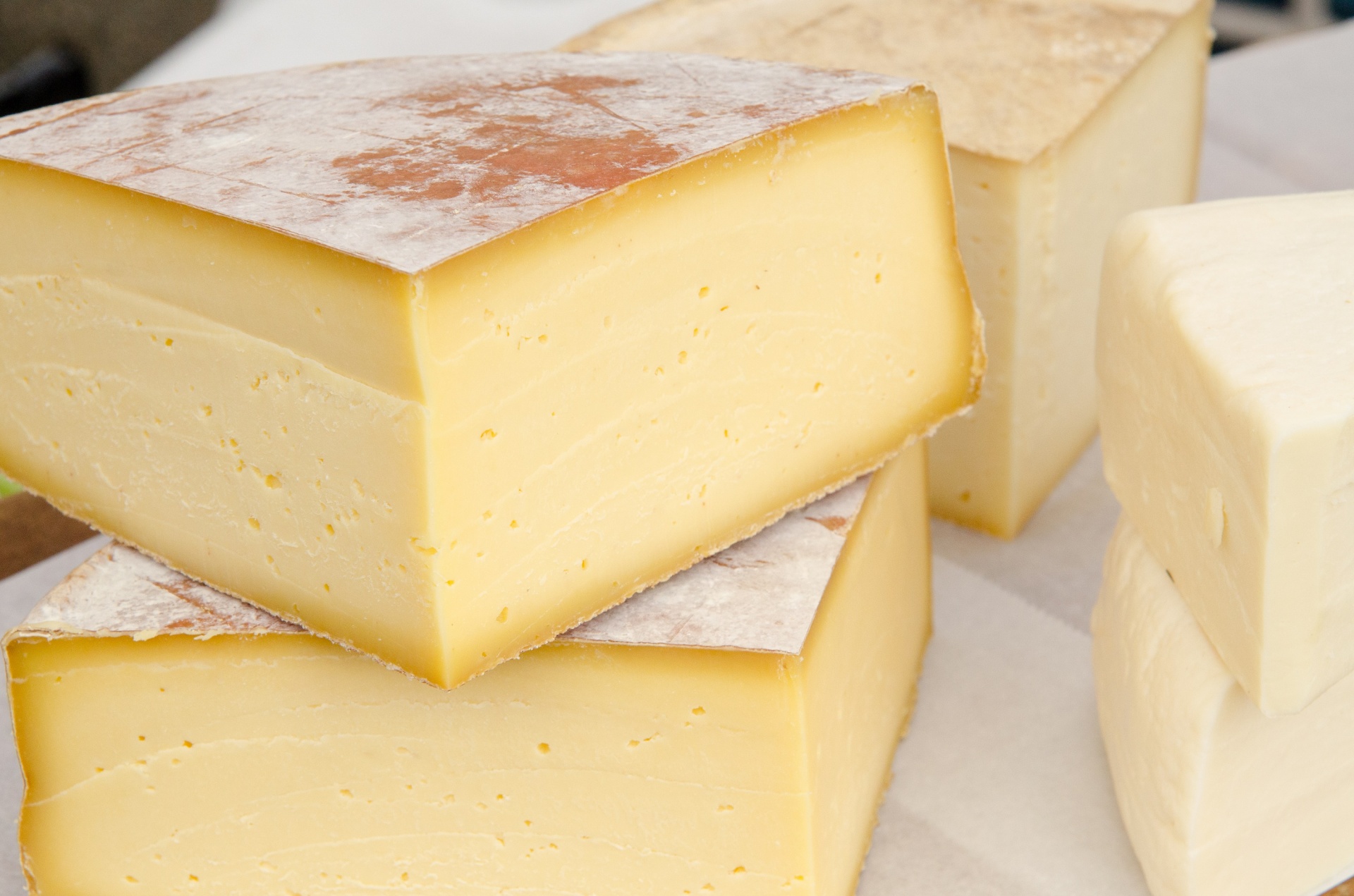
One prominent category of cheese that is typically lower in lactose is aged cheese. Cheeses like aged cheddar, Parmesan, and Swiss undergo extensive fermentation processes, resulting in reduced lactose content. During fermentation, bacteria in the cheese consume lactose, thereby decreasing its levels significantly. Consequently, aged cheeses often contain less than 0.5 grams of lactose per serving, making them a suitable option for many individuals with lactose intolerance.
On the other hand, fresh cheeses such as ricotta, mozzarella, and cream cheese maintain higher lactose levels. The production of these cheeses does not involve prolonged aging, and lactose remains intact. For those seeking dairy alternatives, these types of cheeses may trigger adverse reactions and should generally be avoided.
Lactose-free options have surged in popularity, catering specifically to those who are lactose intolerant. Manufacturers create lactose-free cheese by adding lactase enzyme to standard cheese products. This chemical process breaks down lactose into simpler sugars, such as glucose and galactose, rendering the product digestible for individuals with lactose intolerance. Common lactose-free cheeses include cheddar, mozzarella, and even cream cheese, allowing affected consumers an opportunity to indulge without fear.
Moreover, an expanding market for plant-based cheese alternatives has taken the culinary world by storm. Made from various sources such as nuts, soy, or coconut, these dairy-free cheeses provide an alternative to traditional cheese while catering to a broader array of dietary preferences, including veganism and dairy allergies. Almond-based and cashew-based cheeses are both popular choices, offering distinct textures and flavors. Additionally, soy-based products, like tofu cheese, boast a protein-rich profile while remaining lactose-free.
Investigating the nutritional aspect, cheese alternatives may differ considerably in health benefits compared to traditional cheese. While dairy cheeses often provide essential nutrients such as calcium, potassium, and protein, plant-based alternatives might lack some of these elements. For instance, many nut-based cheeses can be lower in protein than their dairy counterparts. However, some manufacturers fortify their products with nutrients, ensuring a more balanced offering. It remains imperative for consumers to scrutinize labels, assessing nutrient content rigorously.
Another significant advantage of dairy-free cheeses, particularly those derived from nuts or seeds, is their potential to accommodate various dietary restrictions. Casein, the primary protein found in dairy, can trigger allergic responses in susceptible individuals. In such instances, plant-based options provide a safe alternative without compromising taste or texture. Regardless of one’s dietary constraints, it is crucial to explore a variety of products to find one that satiates personal preferences.
In considering the environmental impact of cheese production, dairy farming poses substantial challenges. The rise of plant-based cheeses offers a potential avenue for reducing one’s carbon footprint. Agriculture and livestock contribute significantly to greenhouse gas emissions; thus, opting for dairy alternatives can align with sustainability goals. Many brands focusing on plant-based cheeses emphasize eco-friendliness, providing consumers with conscientious options that resonate with their values.
In addition to taste, texture is a crucial factor when evaluating cheese alternatives. For example, aged cashew cheese may imbue similar taste profiles to traditional aged cheese, yet the textures can vary distinctly. Investors in the plant-based cheese movement have harnessed innovative methodologies to replicate beloved cheese characteristics, such as melting properties in grilled cheese sandwiches or creaminess in spreads. As a result, consumers can experience gratifying culinary iterations where traditional cheese is rendered obsolete.
It is worth acknowledging that taste preferences are subjective; some consumers might prefer the rich flavors of traditional aged cheese. For others, the mild nuances of plant-based cheese alternatives might hold greater appeal. As more brands emerge, diversity in flavor profiles, textures, and culinary uses expands, ensuring there is something for everyone. Cheese lovers from all walks of life can unite over a shared appreciation for flavors, regardless of dietary restrictions.
In conclusion, the query regarding which cheese is lactose-free unveils a broad and complex array of options. Aged cheeses generally represent safe choices for those handling lactose intolerance, while lactose-free products offer a direct remedy for digestive discomfort. Meanwhile, the rise of plant-based cheese alternatives provides an innovative solution for myriad dietary preferences while promoting a sustainable future. Navigating the market requires diligence and an adventurous spirit, but the end result is a bounty of flavors waiting to be explored.

Leave a comment