

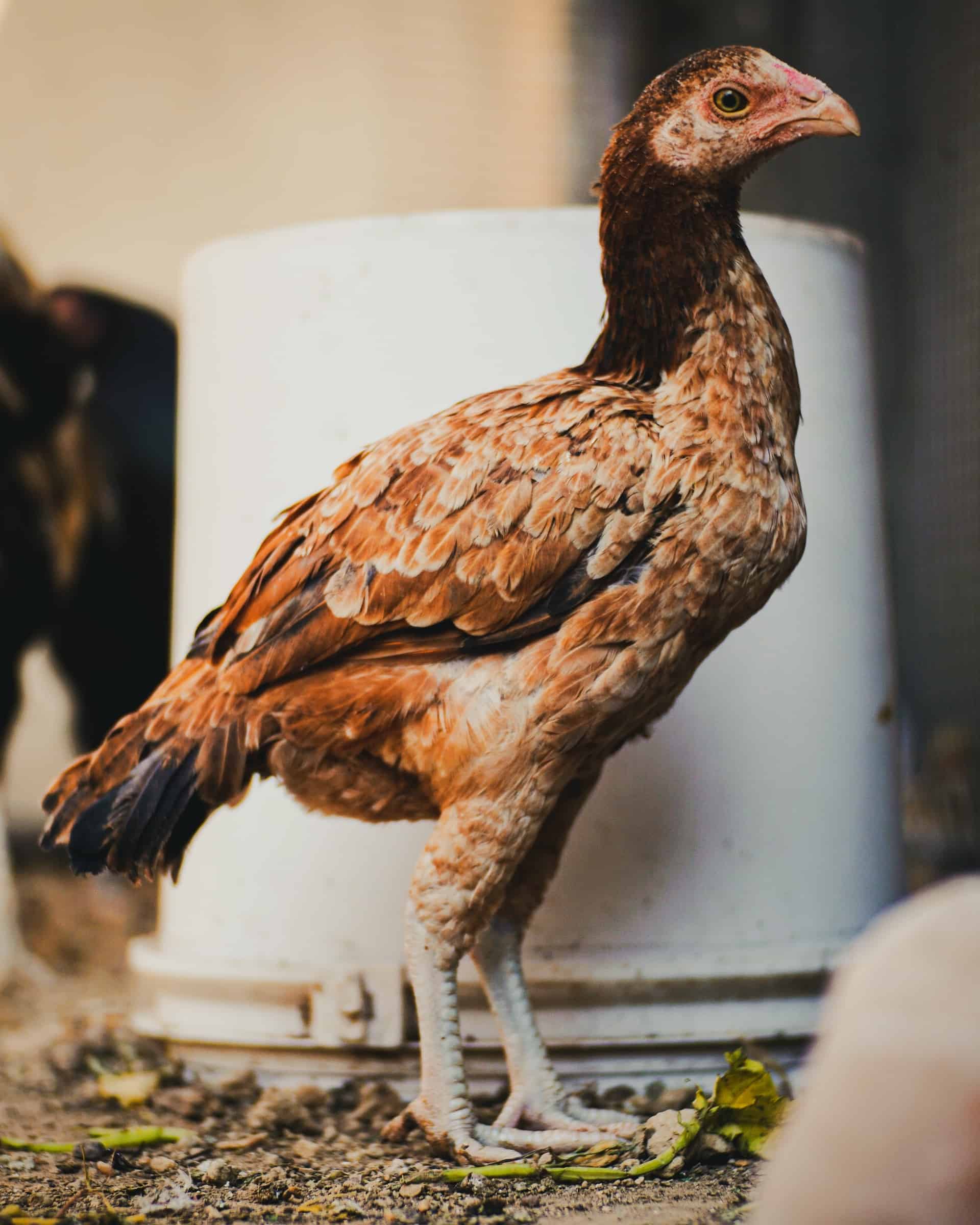
In the captivating realm of aviculture, few matters provoke as much curiosity and allure as the colors of chicken eggs. Among the vibrant spectrum of hues, pink eggs elicit particularly intrigued responses. Not merely aesthetic embellishments, these delicate ovals symbolize the intimate interplay between genetics and nature’s palette. In this exploration, we unveil the chickens that possess the rare and enchanting ability to lay pink eggs, revealing their distinct characteristics and contributions to poultry enthusiasts.
The journey into the world of pink-egg-laying hens commences with an understanding of the fundamental genetics behind egg color. Laying aside the commonplace whites and browns, pink hues arise from a specific genetic trait passed down through generations. The synthesis of pigments during the egg formation process leads to these alluring shades, an intricate dance between the hen’s genetics and her environment.
First among the illustrious league of pink egg producers is the Olive Egger, a hybrid delight that lures many with its unique coloration and swirling lineage. Crafted by combining blue egg-laying breeds with dark brown layers, this remarkable hen produces eggs that range from soft blush tones to deeper shades mimicking that of a sunset. The Olive Egger not only delights with its charming egg hues but also fascinates with its multifaceted genetic ancestry, owning the potential to display a variety of colors in its progeny. The thrill of waiting to discover the precise tint of the next egg is akin to unwrapping a gift, showcasing the wonders of biodiversity in poultry.
Equally enchanting is the Apricot Egger, another hybrid variant that takes the pink egg to new heights. This breed, a product of merging the infamous Easter Egger with certain brown-egg layers, produces eggs that radiate warmth and nutritional richness. Their subtle rose hue seems to whisper of warmth, evoking the timeless charm of a summer’s dawn. Apricot Eggers are not only aesthetically pleasing; they also serve as an integral component of a sustainable backyard poultry operation, providing eager aviculturists with intertwined benefits of both stunning colors and high-quality nutrition.
Among the pure breeds, the Faverolle commands attention as a distinguished contributor to the pink egg family. Hailing from France, this breed is equally esteemed for its gentle temperament and unique feathering. The Faverolle’s eggs, often ranging from pale pink to beige, resemble the soft blush of a cheek kissed by the sun. Their docile nature renders these birds suitable companions in both diversified homesteads and serene backyards, promising an enchanting experience for both novice and seasoned poultry keepers alike.
Moving across the Atlantic, one encounters the Speckled Sussex, whose sumptuous eggs echo the rich earth tones of the English countryside. Renowned for their speckled plumage, these birds provide more than just curious beauty; their eggs often display that coveted pinkish hue, standing out against the more conventional palette. The Speckled Sussex personifies not only artistry in poultry but also reflects a harmony with its environment, as its husbandry demands an understanding anchored in traditional practices. Reaping the rewards of this breed is akin to cultivating a rare flower that brings both aesthetic and practical returns.
Amid these illustrious pink egg layers, the Rosecomb Bantam emerges as a miniature marvel and an embodiment of grace. While their eggs are diminutive, they carry an undeniable charm characterized by the soft blush that exudes elegance. This breed’s compact size and ornate features make it a preferred choice for hobbyists, affirming that regal beauty comes in small packages. The anticipation of collecting these dainty treasures paints a romantic image of pastoral life, invoking memories of gentler times and simpler joys.
Another notable mention in the world of pink egg-laying chickens is the Rhode Island Red, a steadfast classic that defies the norms of traditional pink layers. While more recognized for its rich brown eggs, some strains of Rhode Island Reds are known to produce eggs that tastefully skirt the boundary into softer pink shades. This breed showcases the intricate tapestry of poultry breeding, demonstrating how variations within a species can yield delightful surprises, much like hidden gems waiting to be discovered.
As we navigate through the enchanting landscape of pink egg layers, one cannot disregard the extraordinary impact of environmental factors and care. The diet, habitat conditions, and holistic treatment of these birds play pivotal roles in determining the final aesthetic and quality of the eggs they produce. Providing a balanced diet rich in essential nutrients illuminates the hen’s ability to lay not just any egg but one that embodies beauty and nourishment. The ethical practices embraced by aviculturists resound throughout their gardens, echoing the harmony between human stewardship and avian well-being.
In sum, the intrigue surrounding chickens that lay pink eggs goes far beyond a mere fascination with color. These exquisite hens reflect the intersection of nature’s artistry, genetics, and the agricultural traditions that have flourished over millennia. From the Olive Egger’s playful ancestry to the Rosecomb Bantam’s delicate elegance, each breeds’ contribution enriches the tapestry of poultry keeping, reminding us of the diverse beauty that our feathery friends bring forth in the form of pink-hued treasures. All the while, they compel us to nurture and cherish the vibrant ecosystems we inhabit. Engaging with these unique egg layers instills a sense of appreciation, promoting a connection to both the land and the age-old practice of husbandry that continues to evolve in unexpected and delightful ways.

Leave a comment