

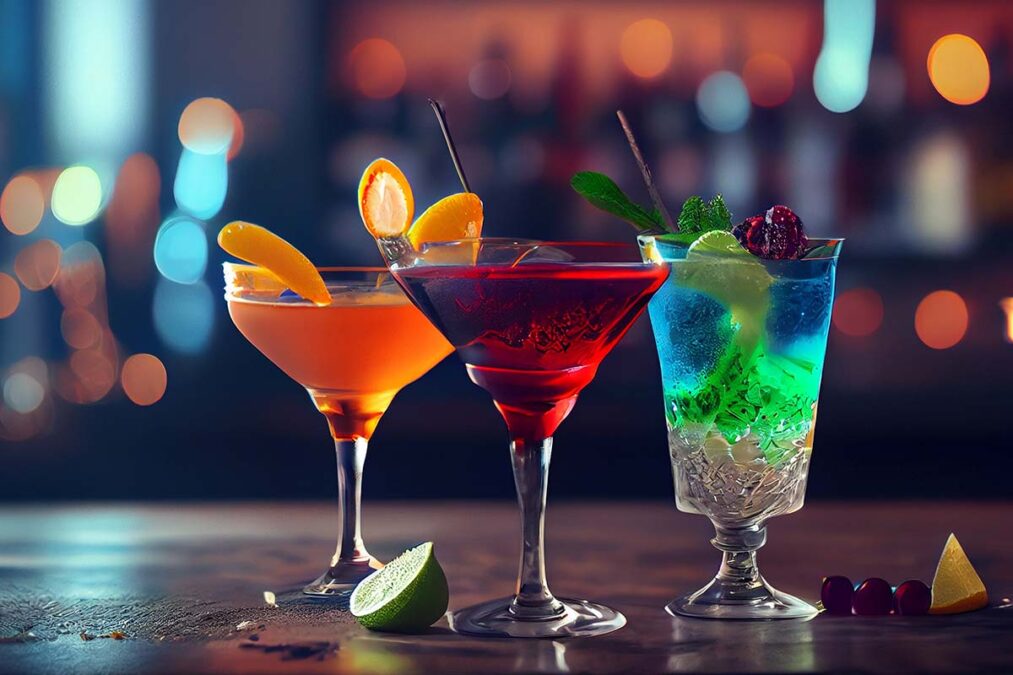
When it comes to crafting the perfect cocktail, the artistry often lies not only in the blend of spirits and mixers but also in the garnishes that grace the glass. Bartenders have long recognized that the right garnish can elevate a drink, enhancing both its aesthetic appeal and flavor profile. Among the myriad of cocktail garnishes, some are universally recognized, while others remain enigmatic. This article delves deep into the world of classic cocktails, exploring which cocktails utilize specific garnishes and uncovering the stories behind them.
The Role of Garnishes in Cocktails
Garnishes are not mere afterthoughts; they serve several crucial functions. First and foremost, they contribute to the visual allure of a cocktail, enticing the drinker with vibrant colors and textures. Additionally, the right garnish can complement or contrast the flavors of the drink, creating a more complex sensory experience. For instance, a twist of citrus peel can impart a zesty aroma, while an olive can lend a savory note. This interplay between the drink and its adornment is where the magic happens.
A Survey of Classic Cocktails and Their Signature Garnishes
To appreciate the significance of garnishes, we must examine some classic cocktails and the garnishes that define them. This exposition not only highlights the importance of these embellishments but also unveils the nuanced symphony of flavors that they introduce.
The Martini: A Citron Jewel
The Martini, an icon of sophistication, is frequently garnished with either an olive or a twist of lemon peel. The olive adds a briny contrast to the crispness of the gin or vodka, while the lemon peel contributes aromatic oils that brighten the drink. The choice of garnish can reveal much about the preference of the drinker: a traditionalist may opt for the olive, whereas a modernist might favor the lemon twist, signifying their inclination towards freshness and complexity.
The Old Fashioned: A Slice of Citrus
For the Old Fashioned, a cocktail steeped in history, the garnish typically consists of an orange slice or a cherry. The orange slice serves to enhance the drink’s underlying notes of bitter and sweet, and tends to elicit nostalgia for simpler times. In contrast, variations featuring a Luxardo cherry add a luxurious touch, owing to the cherry’s rich, syrupy flavor that juxtaposes beautifully with the whiskey’s smokiness.
The Mojito: A Sprig of Freshness
The Mojito, a refreshing Cuban classic, is synonymous with the vibrant greenery of mint. This herbaceous garnish not only provides an aromatic lift but also symbolizes the drink’s pastoral origins. The ritual of muddling the mint releases essential oils, creating a fragrant bouquet that enhances the icy sensation of the cocktail. Here, the garnish is not just decorative; it is integral to the drink’s identity.
The Negroni: A Bitter Orange Twist
In the case of the Negroni, a cocktail rich in depth and complexity, the garnish is a simple twist of orange peel. This garnish not only introduces a burst of citrus oils but also serves as a visual counterpoint to the Negroni’s bold red hue. The bitterness of the Campari, the herbal notes of the gin, and the sweetness of the vermouth are all harmonized with the bright aroma of the orange. The juxtaposition of flavors in this cocktail speaks to the artful balance that garnishes can achieve.
Exploring Lesser-Known Garnishes
As we venture beyond the common garnishes, we unearth a treasure trove of lesser-known cocktails that employ unique and intriguing adornments. These drinks challenge traditional perceptions and invite creativity, marrying flavor with visual serve in unexpected ways.
The Ramos Gin Fizz: A Crown of Citrus and Bubbles
Originating from New Orleans, the Ramos Gin Fizz is famously topped with a slice of lemon or a sprig of citrus leaves. This garnish juxtaposes the frothy texture of the cocktail with its delicate flavors, providing a refreshing aroma that prefaces the first sip. The effervescence, coupled with the citrus aroma, creates an exhilarating experience that tantalizes the palate.
The Pisco Sour: An Artistic Drizzle
The Pisco Sour is traditionally garnished with a few drops of bitter or aromatic Angostura, which lends visual appeal and an additional layer of complexity. This cocktail, hailing from South America, captivates with its rich foam and sharp tang, and the intricate art of garnish transforms it into a canvas of flavor and artistry. The balanced bitterness is an apt complement to the cocktail’s sweet and sour elements.
The Aviation: A Floral Touch
Unusual yet enchanting, the Aviation cocktail often features a cherry or a flower garnish. The delicate floral note enhances the ethereal essence of the cocktail, while the cherry provides a pop of color and a sweet counterbalance to the cocktail’s tartness. In this way, the garnish not only complements the drink but also encapsulates the spirit of adventure and exploration that comes with each sip.
Conclusion: The Artistry of Garnishing Cocktails
The garnishes adorn cocktails not merely for decoration, but to disclose layers of flavor and evoke emotions that may otherwise remain uninspired. Each garnish tells a story, adding depth to the drinking experience and elevating it to an art form. So the next time you indulge in a cocktail, take a moment to appreciate its garnish. What does it reveal about the drink? How does it alter your perception? In the world of mixology, garnishes bridge the gap between the ordinary and the extraordinary, promising an experience that tantalizes both the senses and the imagination.

Leave a comment