

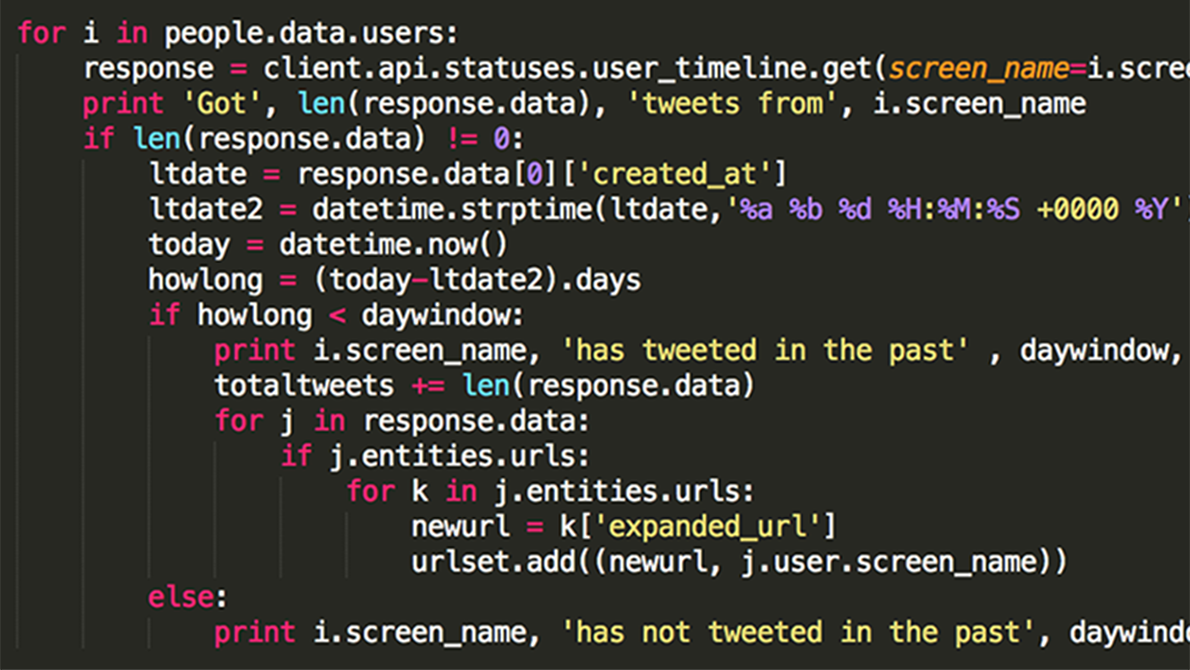
In the intricate tapestry of computer science, coding serves as the vital thread weaving together the fabric of technology. To comprehend the concept of code as a form of expression—an entity that conveys intentions and actions—one must first reach into the depths of programming languages. Imagine code not merely as an algorithmic expression, but rather as a structured poem, articulating a programmer’s thoughts and establishing a dialogue with machines. This metaphor encapsulates the essence of expression programming, a phenomenon where code is not only a tool but a language infused with artistic flair and intent.
Expression programming elevates the act of coding from a mundane task into a detailed manifestation of ideas. It encapsulates the notion that code can embody emotions, preferences, and decisions—transforming logic into a form of high art. To elucidate this intriguing concept, one must explore the characteristics inherent in expression programming and provide a succinct example that crystallizes these ideas.
At its core, expression programming emphasizes constructs that are composed of operations yielding values rather than traditional procedures. Contrast this with imperative programming, where sequences of commands dictate the flow. Instead, expression programming allows programmers to focus on what the outcome should be, thereby enriching the language and broadening its expressive capacity.
To illustrate the nuances of this programming paradigm, let us delve into a simple yet compelling example using a programming language commonly appreciated for its expressive syntax: Python. Consider the case of calculating the sum of squares of a list of numbers. An imperative approach might involve a loop that iterates through each number, squares it, and then accumulates the total. However, through expression programming, we can achieve the same result in a more elegant and succinct manner.
numbers = [1, 2, 3, 4, 5]
sum_of_squares = sum(x ** 2 for x in numbers)
This single line of code encapsulates the essence of expression programming. Here, the generator expression (x ** 2 for x in numbers) serves as a compact and expressive technique to generate squares without cumbersome syntax. The sum() function then harmonizes with the expression, yielding the result with a clarity that is both immediate and potent. Rather than articulating a verbose series of instructions, this snippet succinctly conveys the programmer’s intention, resulting in an aesthetically pleasing and functionally robust solution.
Delving deeper into the structure of this expression, we find its unique appeal lies in its reduction of cognitive load. By allowing programmers to conceptualize their task at a higher level, expression programming facilitates a more direct pathway to achieving desired outcomes. Just like reading poetry evokes deeper emotions through carefully chosen words, effective coding elicits powerful results through precise constructions.
Moreover, the dynamic capabilities of expression programming invite creativity in conceptualizing solutions. By shifting focus from the mechanics of execution to the essence of what is being executed, programmers can explore multiple avenues and experiences, much like an artist selecting a palette of colors. One can imagine the possibilities burgeoning as one contemplates variations and permutations on a theme, crafting solutions that not only function but also resonate with elegance.
The power of expression programming brings us closer to a reality where the boundaries of human cognition and machine understanding intersect harmoniously. The metaphor of code as poetry not only emphasizes the creativity involved but also highlights the responsibility of the coder: to express ideas clearly and effectively, ensuring that machines interpret intentions accurately. Such clarity is paramount in a world where technology permeates new domains, from artificial intelligence to web development.
In addition to simplifying the coding process, expression programming inherently nurtures collaboration. It encourages sharing of thought processes through comprehensible code, fostering an environment where multiple stakeholders can engage with the programming language. Code becomes a bridge, a means of communication that unites diverse perspectives around a common goal. Much like a collaborative art project, coding in this paradigm invites contributions and interpretations, leading to innovative solutions that are richer than the sum of their parts.
As we reflect on the nature of expression programming and its manifestations, one must consider the implications it holds for the future of technology. With the advent of software development methodologies that prioritize agility and responsiveness, the incorporation of expression programming principles lends a vibrant vitality to programming practices. Collaborative coding, rapid iterations, and an emphasis on reusability emerge as hallmarks of a new era driven by expressive capabilities.
In conclusion, the exploration of expression programming serves as an enlightening journey into the heart of coding as a liberating art form. The metaphor of code as poetry enriches our understanding, enabling us to fathom how mere symbols can conjure profound concepts and tangible outcomes. Through expressive constructs, a programmer’s voice is magnified, allowing for an eloquent symphony in the digital realm. As we forge ahead into the uncharted territories of technological advancement, the aspirations of expression programming will undoubtedly illuminate the path.

Leave a comment