

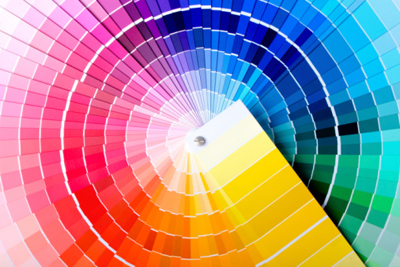
The exploration of color psychology provides an intricate lens through which to examine the emotional and psychological implications of color in human experience. Among the plethora of colors influencing our decisions, red and blue stand out distinctly, often eliciting passionate debate about their efficacy and impact. This analysis seeks to dissect the psychological ramifications associated with both hues, offering insights that can transform perspectives on their applications in various domains, from marketing to personal branding.
At the fundamental level, colors possess the capacity to evoke feelings, associate with concepts, and influence behavior on a subconscious level. The juxtaposition of red and blue provides a compelling study of contrasting emotions and cultural interpretations. While red is frequently associated with excitation, urgency, and passion, blue embodies tranquility, stability, and trustworthiness. This divergent spectrum invites a closer examination of their psychological underpinnings.
Red: The Color of Passion and Power
Red, often referred to as the color of fire and blood, carries with it a multitude of meanings. It signifies energy, action, and confidence. When we consider the physiological response to the color red, it is evident that it elevates heart rates and stimulates appetite, leading to its prevalent use in the fast-food industry. The intense nature of red can invoke urgency, making it a strategic choice for calls to action in advertising and marketing initiatives.
Furthermore, this robust hue is steeped in cultural significance. In many societies, it symbolizes love and passion, evident in its prominence during celebrations such as Valentine’s Day and in traditional wedding ceremonies across various cultures. The emotional weight of red is underlined by its association with courage and sacrifice, making it a powerful emblem in flags and heraldry. Its pervasive use in warning signs and alerts also accentuates the instinctive human response to react swiftly to potential danger.
Blue: The Color of Calm and Trust
Conversely, blue represents qualities of serenity, dependability, and professionalism. The color is synonymous with the sky and the ocean, invoking feelings of peace and stability. In the context of color psychology, blue is known to lower heart rates and reduce feelings of anxiety, making it an ideal choice for environments aiming to promote relaxation and focus.
Within corporate branding, blue is prevalent as a color representing authority and reliability. It is favored by numerous organizations in the financial and healthcare sectors, where trust is paramount. Companies like IBM and American Express have long used shades of blue to instill confidence in their clientele. Additionally, blue’s cultural interpretations extend to convey loyalty and fidelity, which serves to enhance its appeal in personal branding.
The Psychological Impact: A Comparative Analysis
When considering which color is superior—red or blue—one must take into account the psychological and contextual nuances each color embodies. Red’s capacity to energize and incite action might be preferred in situations demanding immediate engagement, such as sales promotions or emergency signals. In contrast, blue’s tranquil presence is more adept at cultivating long-term relationships and establishing a foundation of trust.
Additionally, the implications of color can vary significantly across cultures. For example, while red is a symbol of good fortune in China, it may contain connotations of danger in other contexts. Blue can evoke feelings of sadness in some traditions, particularly in Western contexts where it is associated with melancholy. A nuanced understanding of these cultural variables is critical when determining which color may be more effective or appropriate in a given context.
Contextual Application and Practical Uses
The divergent psychological effects of red and blue underscore their respective strengths in various applications. In marketing, the ambiance created by color can affect consumer behavior. Red’s assertiveness can drive impulse purchases, especially in environments designed to convey a sense of urgency. Retailers often employ this strategy during high-stakes promotional events to exploit the heightened emotional responses red elicits.
Alternatively, blue is strategically utilized in branding where a sense of calmness and reliability is essential. Businesses aiming for a more subdued and stable identity must consider blue’s tranquil associations as advantageous in portraying their values and mission. Moreover, the application of blue in workplaces is often linked to increased productivity and focus, making it a prudent choice for offices and professional environments.
Conclusion: A Synthesis of Color Perception
Ultimately, determining whether red or blue is superior relies on the context and intended outcome. Both colors possess unique advantages and can elicit contrasting responses, each suitable for different objectives. While red fosters excitement and encourages immediate action, blue cultivates trust and promotes a serene atmosphere. By deeply understanding these psychological associations, one can utilize colors more effectively, whether in personal branding, corporate identity, or artistic expression.
This exploration beckons a more profound appreciation for the subtle, yet powerful, influences colors exert on human behaviors and emotions. The choice between red and blue should not merely be a matter of personal preference but a strategic decision informed by psychological insights and intended emotional responses.

Leave a comment