

The dynamic interplay between light and color within the context of thermal absorption offers an intriguing glimpse into the physical properties of the materials that populate our world. As one delves into the realm of color and heat absorption, a fundamental question arises: which color absorbs the most heat? In this article, we shall unravel the complexities of color physics, particularly focusing on the thermal characteristics associated with warm hues.
At the core of the discussion lies the concept of electromagnetic radiation. Light, a form of energy, encompasses various wavelengths and is often represented within the spectrum visible to the human eye. Each color corresponds to a specific wavelength, ranging from violet, at the shortest end, to red, at the longest. When these wavelengths interact with surfaces, a portion of the energy is absorbed, while another portion is reflected back into the environment.
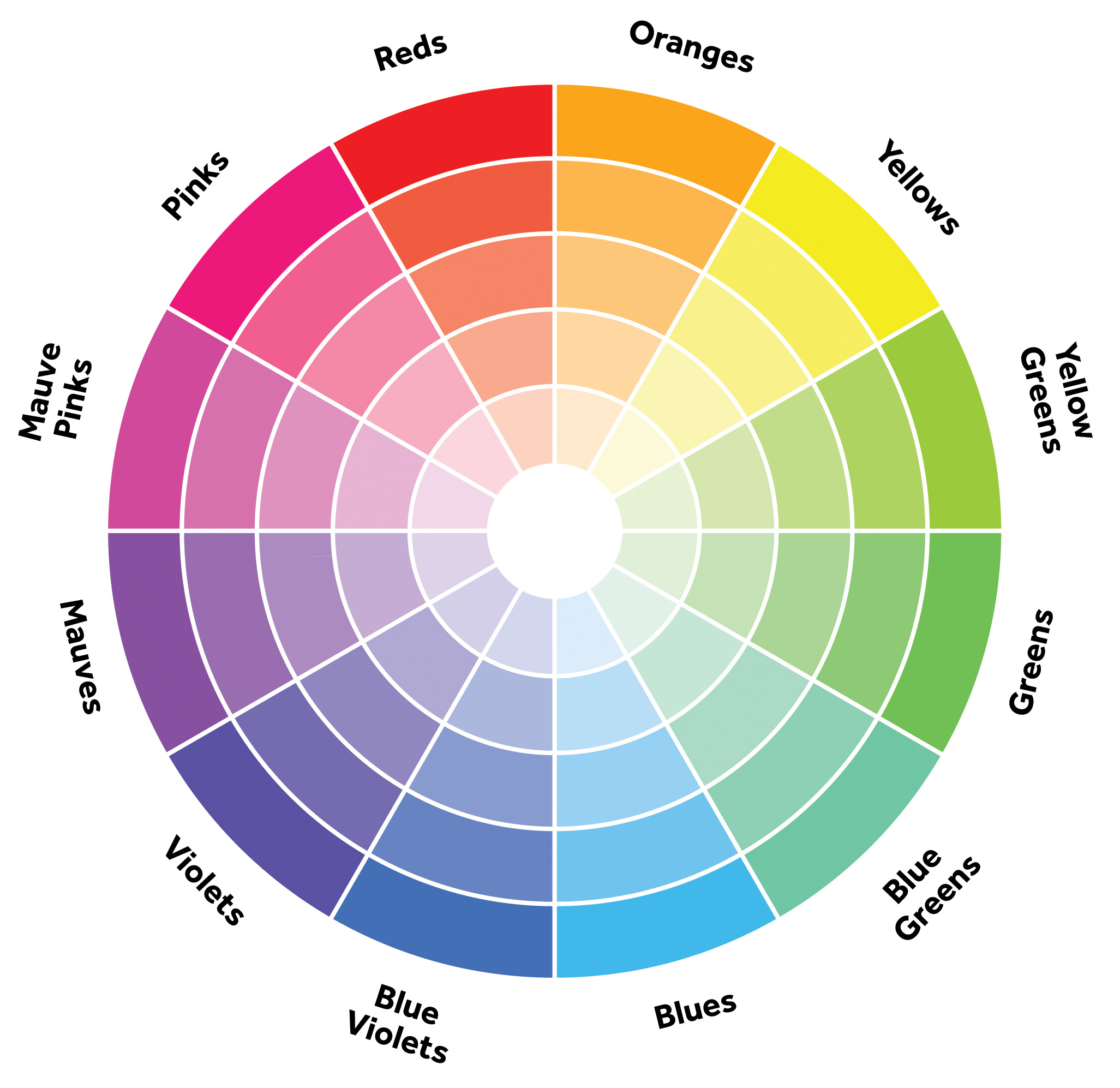
To comprehend which color absorbs the most heat, one must first appreciate the nature of warm shades—red, orange, and yellow. Unlike their cooler counterparts—blue, green, and violet—warm colors are associated with higher energy wavelengths. When exposed to sunlight, they exhibit enhanced thermal absorption properties. This is primarily due to the black body radiation principle, whereby darker colors, particularly shades of red and black, tend to absorb more thermal energy.
The thermodynamic principles governing heat absorption can be explained through the Stefan-Boltzmann law, which stipulates that the total energy radiated per unit surface area of a black body is proportional to the fourth power of the black body’s absolute temperature. Consequently, darker colors, which have lower albedo—the measure of reflectivity—tend to absorb more heat. For instance, a surface painted in deep red will absorb significantly more solar energy compared to a surface of a light pastel tone.
Moreover, how colors interact with their surrounding environment plays a significant role in determining the rates of thermal absorption. Surfaces painted in warm tones, especially when placed in direct sunlight, can reach higher temperatures than lighter-hued counterparts. A study analyzing the thermal performance of colored surfaces demonstrated that surfaces with an albedo value closer to zero, indicative of darker shades, consistently absorbed more heat. This data supports the assertion that colors such as deep red or orange can significantly elevate heat retention in contrast to their lighter siblings.
Another fascinating aspect to consider is the effect of texture and material composition. For instance, matte finishes tend to absorb heat more efficiently than glossy surfaces, regardless of color. The increased surface area associated with a matte finish allows for the entrapment of energy, facilitating a higher rate of thermal absorption. This nuanced overlap further complicates our inquiry, emphasizing the need to analyze both the color and texture harmoniously.
In practical applications, the color of materials is crucial in various domains, including urban planning and architectural design. Warm colors can enhance a building’s thermal efficiency. A structure adorned with darker hues may be more suitable in colder climates, as those colors efficiently capture warmth during chilly months. Conversely, in regions that experience excessive heat, lighter colors would mitigate heat absorption, fostering a cooler internal environment.
Furthermore, this discourse dovetails with cultural and psychological dimensions. The psychological impact of color on human emotions and perceptions fosters an understanding of color in context. Warm colors, while effective in absorbing heat, also evoke feelings of warmth and comfort. This duality can influence decisions in interior design, where the color palette may be chosen not only for aesthetic appeal but also for its thermal properties. The dichotomy between aesthetic choice and scientific principles highlights the significance of strategic color selection across different environments.
Additionally, the principles of color theory and psychology can also be integrated when conceptualizing spaces. For instance, utilizing warm colors in communal areas can encourage interaction and sociability, while cooler shades in workspaces may inspire focus and productivity. The knowledge that warmth can be absorbed through coloration enhances design choices to align with functional outcomes.
It is also worth mentioning the evolving nature of materials used in construction and design. Innovations in paint technology have led to the development of reflective coatings that can mimic lighter hues while maintaining the aesthetic appeal of darker shades. Through these advancements, one can enjoy the visually cozy and inviting attributes of warm colors without the accompanying excessive heat absorption characteristics.
Concluding this exploration of color and heat, one may find themselves wondering about the implications of these findings in everyday life. As consumers, architects, designers, and urban planners contemplate the intersection of color, functionality, and climate, the knowledge of heat-absorbing properties becomes not just a theoretical consideration but a practical one. The symbiotic relationship between color and heat requires a thoughtful approach to enhance both comfort and environmental sustainability.
In summation, warm colors, especially the deeper shades of red and orange, indeed stand as the champions of heat absorption, interacting with their surrounding environment and material properties in remarkable ways. As one navigates this kaleidoscopic realm, the fascination with the physics behind color absorption promises not only a shift in perspective but also an invitation to engage with the world more thoughtfully and creatively.

Leave a comment