

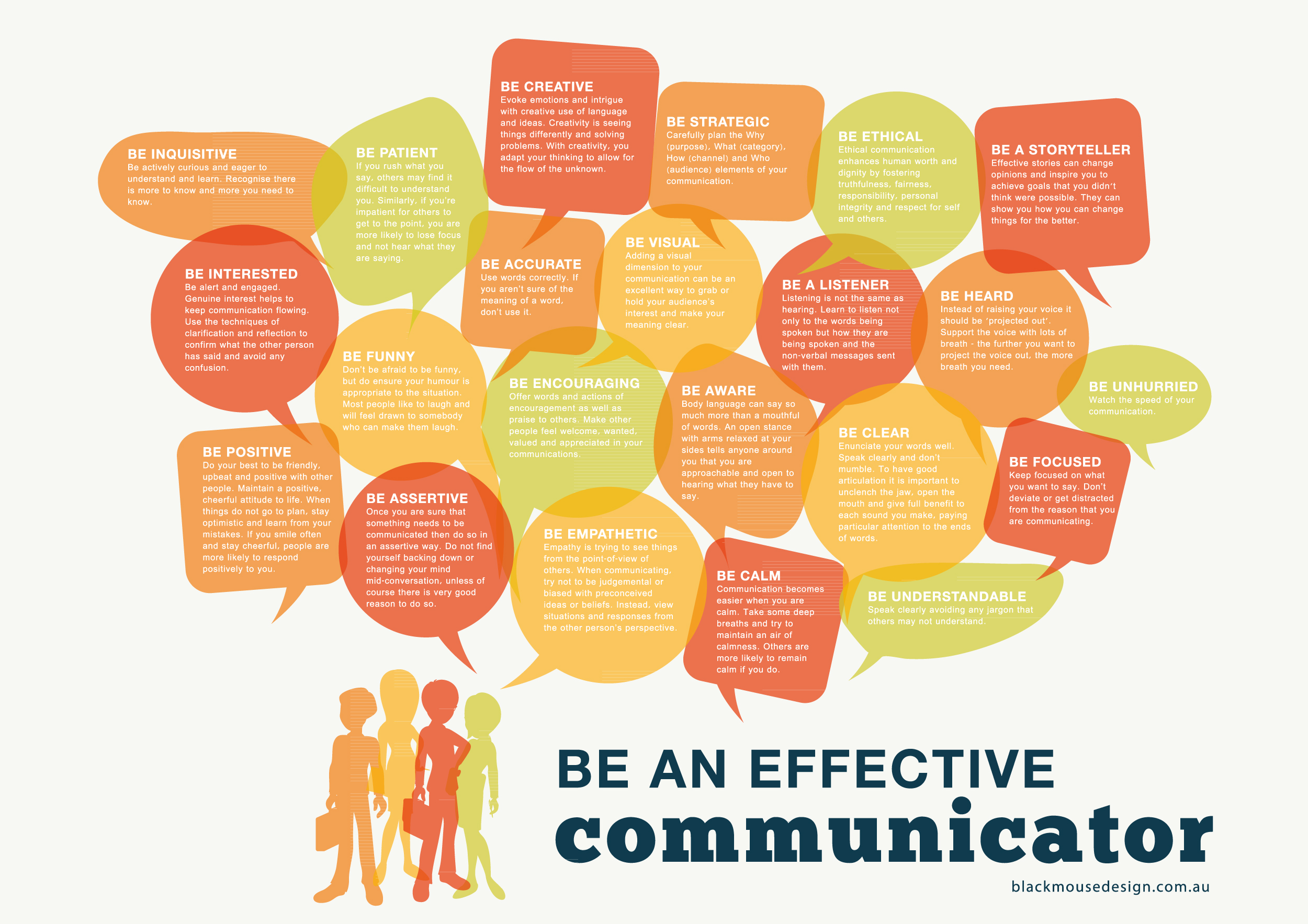
In an age where communication surrounds us, discerning which communicator proves to be the most persuasive becomes a crucial inquiry. Effective speakers possess distinctive traits that transcend mere eloquence. These characteristics not only enhance the speaker’s ability to convey information but also significantly augment their influence on the audience. This exploration delves into the multifaceted nature of persuasive communicators, elucidating key traits that set them apart in the realm of rhetoric.
One hallmark of persuasive speakers is their profound understanding of their audience. Such speakers invest time in audience analysis. This encompasses gauging their listeners’ emotions, predispositions, and expectations. By tailoring their message to resonate with the audience’s values and beliefs, they engender an atmosphere of connection. This alignment fosters trust and opens the proverbial door to persuasion. For instance, a speaker who acknowledges and empathizes with the audience’s concerns will likely capture their interest more effectively than one who regards the audience merely as passive recipients of information.
Furthermore, an effective communicator exudes authenticity. True authenticity stems from integrity and sincerity. When speakers present their thoughts and ideas genuinely, they inherently create a rapport with their audience. This palpable sincerity often disarms skepticism, inviting listeners to engage more openly. The art of storytelling can amplify this effect; narratives grounded in real-life experiences or relatable anecdotes can evoke empathy, thereby enhancing the speaker’s persuasive force. It’s through these shared experiences that audiences find common ground, allowing their defenses to lower and receptivity to increase.
Another pivotal trait is clarity of message. Effective communicators possess the ability to distill complex ideas into digestible pieces. This clarity transcends jargon or esoteric language, focusing instead on the essence of the message. A clear message highlights the speaker’s confidence and mastery over the subject. Equally significant is the strategic use of pauses—allowing ideas to resonate and encouraging reflection among listeners. This deliberate pacing ensures that the audience absorbs information rather than merely processing it passively.
The utilization of rhetorical devices is another defining characteristic of persuasive communicators. Techniques such as metaphors, similes, and repetition enrich the speaker’s narrative and enhance engagement. These devices serve to not only embellish the spoken word but also reinforce key points, embedding them within the listeners’ consciousness. For instance, a speaker who employs vibrant imagery to illustrate their point will likely attract attention and invoke emotion, thereby improving the chances of persuasion.
Moreover, effective speakers are adept at employing body language strategically. Nonverbal cues—gestures, facial expressions, and posture—significantly impact the perception of a message. An articulate speaker may emphasize points through hand movements, maintaining eye contact to reinforce sincerity and connection. This synergy between verbal and nonverbal communication cultivates a holistic experience for the audience, thereby enhancing persuasion. The power of presence cannot be overstated; a commanding presence instills confidence and exudes authority, further aligning listeners with the speaker’s message.
Adaptability emerges as another essential trait of persuasive communicators. The ability to pivot in response to audience feedback or shifting dynamics during a presentation can make or break the effectiveness of communication. Those who exhibit agility in adjusting their tone, pace, or even content based on audience reactions demonstrate a keen awareness of their surroundings. This responsiveness not only heightens engagement but also signifies respect for the audience’s input and emotions, reinforcing the bond between speaker and listeners.
Inextricably tied to adaptability is the mastery of anticipation. Persuasive communicators preemptively address potential objections or counterarguments. By recognizing and confronting these challenges forthrightly, they showcase an in-depth understanding of the topic and respect for diverse perspectives. This approach not only fortifies the speaker’s credibility but also equips the audience with a sense of security, knowing their concerns have been acknowledged and addressed. This proactive posture enhances the likelihood of persuasion, as listeners feel included and valued in the discourse.
Lastly, the capacity to evoke emotional resonance stands as a preeminent trait among effective speakers. Scientific studies substantiate the psychological impact emotions exert on decision-making processes. Consequently, speakers who adeptly elicit emotions—be it through passionate appeals, vivid storytelling, or poignant questions—greatly amplify their persuasive capabilities. A well-placed emotional appeal can stir hearts, motivate actions, and lead to profound shifts in perspective. Thus, the judicious integration of emotion transforms abstract ideas into tangible experiences.
In conclusion, the most persuasive communicators manifest a combination of traits that foster connection, authenticity, clarity, adaptability, and emotional resonance. Their proficiency in understanding the audience, coupled with their ability to convey ideas in a compelling and relatable manner, sets them apart in the world of effective communication. As a result, they shape perspectives and inspire action, wielding the power of words to effectuate change. Recognizing these traits offers valuable insights into honing one’s communication skills, inviting all aspiring speakers to pursue the art of persuasion with diligence and passion.

Leave a comment