

Have you ever wondered what makes certain compounds behave so differently from others? The intriguing world of chemistry is filled with such questions, challenging our understanding of molecular interactions. Among the various types of chemical bonds, nonpolar covalent bonds stand out for their unique characteristics. This article delves into the complexities surrounding the question: which compound contains only nonpolar covalent bonds? In doing so, we will explore the principles of molecular balance, the distinction of nonpolar entities, and the implications these compounds have in both nature and technology.
To embark on this exploration, it is crucial to understand the fundamentals of covalent bonding. At its essence, a covalent bond occurs when two atoms share one or more pairs of electrons. This sharing is not always equal; hence, the type of bond formed can be categorized as either polar or nonpolar. But what precisely defines a nonpolar covalent bond? Atoms, predominantly of similar electronegativities, engage in these bonds, meaning that the electrons are distributed evenly between them. This equal sharing results in a balanced charge distribution, rendering the molecule nonpolar.
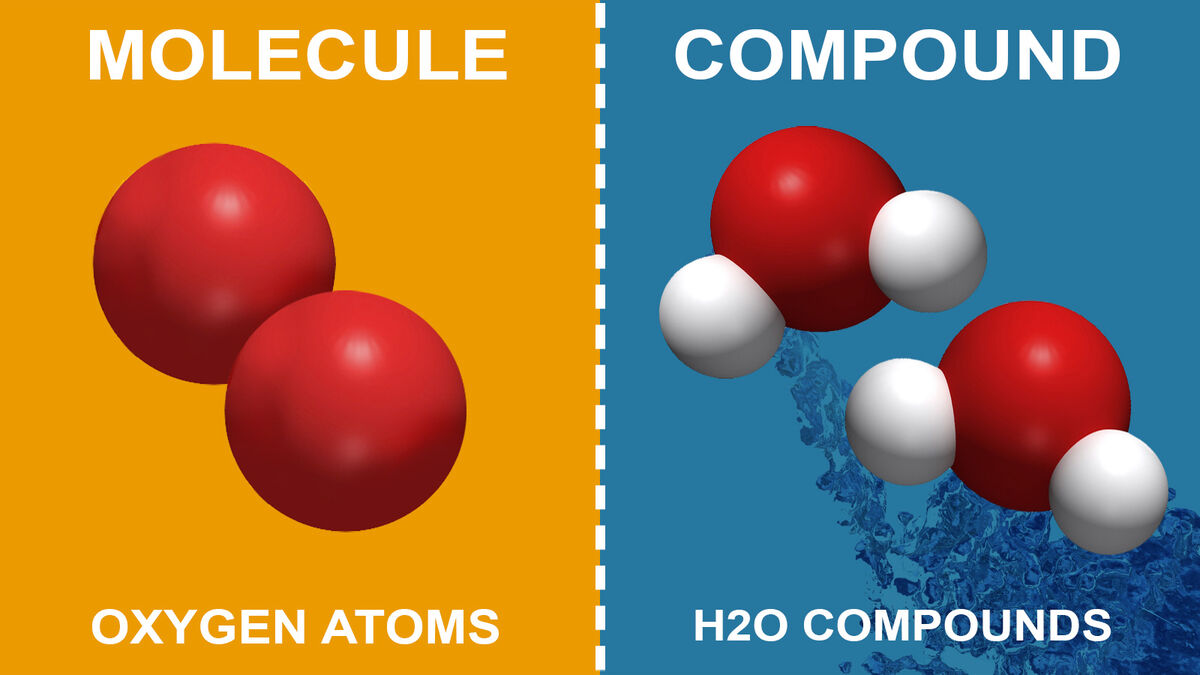
The challenge, then, is to identify which compounds are characterized exclusively by nonpolar covalent bonds. Notably, elemental diatomic molecules serve as prime examples. Take hydrogen (H₂), for instance. Two hydrogen atoms share electron pairs equally, leading to a diatomic molecule that exhibits nonpolarity. Similarly, molecules like nitrogen (N₂), oxygen (O₂), and chlorine (Cl₂) embody this concept, as they consist solely of identical atoms sharing electrons evenly.
However, the complexity of chemical structures goes far beyond these simple diatomic molecules. What if we consider compounds made of different elements? Nonpolar covalent compounds can manifest even among heteroatomic entities if the participating atoms possess similar electronegativities. For example, the compound carbon disulfide (CS₂) consists of carbon and sulfur. While they are different elements, both exhibit similar electronegativities, allowing for an almost equal sharing of electrons, thus resulting in a nonpolar covalent bond throughout the compound.
It becomes evident that carbon is a recurring player in compounds with nonpolar characteristics. Hydrocarbons, for instance, represent a broad class of nonpolar covalent compounds. These molecules, primarily composed of carbon and hydrogen, exhibit predominantly nonpolar nature due to the small electronegativity difference between these two elements. Methane (CH₄), ethane (C₂H₆), and octane (C₈H₁₈) exemplify hydrocarbons that exclusively contain nonpolar covalent bonds. Their structural makeup and symmetrical geometry contribute to their lack of polarity, allowing them to behave uniquely in various applications.
Nevertheless, the analysis of nonpolar covalent compounds isn’t solely about binary combinations. Molecules with more intricate structures can also maintain nonpolar characteristics if their geometry is symmetrical, even with varying atoms. For example, tetrachloromethane (CCl₄) consists of one carbon atom bonded to four chlorine atoms. Given the symmetric tetrahedral arrangement, the molecule achieves nonpolarity despite the presence of different elements. This realization highlights the importance of molecular shape alongside bond type in determining polarity.
Understanding the implications of nonpolar compounds is not merely academic; it extends into various practical applications. Nonpolar substances like hydrocarbons are generally hydrophobic, culminating in their utility as solvents in organic reactions. The nonpolar nature of these compounds allows them to dissolve nonpolar solutes, providing a crucial functionality in chemical synthesis and industrial processes.
Furthermore, the attributes of nonpolar compounds extend into biological systems. Many lipids, which play vital roles in cellular function, consist of long hydrocarbon chains that are nonpolar. These lipids are fundamental in forming biological membranes, illustrating the critical importance of nonpolar covalent bonds in living organisms. Their ability to form barriers that are semipermeable is aligned with their hydrophobic interactions, ultimately facilitating stringent control over the cellular environment.
In a world laden with challenges, the exploration of nonpolar covalent compounds presents both scientific intrigue and practical applications. Identifying the compounds that entirely encompass nonpolar covalent bonds reveals a fascinating interplay of atomic structure, electronegativity, and molecular geometry. From hydrogen gas to complex hydrocarbons, the abundant array of nonpolar compounds exemplifies the wonders of chemical bonding.
As we probe deeper into the fascinating domain of chemistry, one may pose another playful inquiry: what are the limitations or boundaries within which nonpolar compounds can operate? As researchers continue to uncover the behaviors and interactions of these substances, our understanding will undoubtedly deepen. The challenge lies not only in identifying these compounds but also in contemplating the breadth of their influence on both nature and technology. Through this continued exploration, the science of molecular balance will keep unraveling even more intriguing questions, urging scholars and enthusiasts alike to ponder the infinite wonders of chemistry.

Leave a comment