

Astigmatism is akin to gazing at a mesmerizing landscape through a warped lens, transforming clear vistas into a kaleidoscope of blurred edges and distorted shapes. This condition, which arises when the cornea or lens of the eye exhibits uneven curvature, casts a veil over one’s vision, rendering everyday tasks dauntingly challenging. In this exploration, we will delve into the intricacies of astigmatism, unravel its causes, symptoms, and treatment options, while illuminating its impacts on daily life.
The Anatomy of Vision: Understanding the Cornea
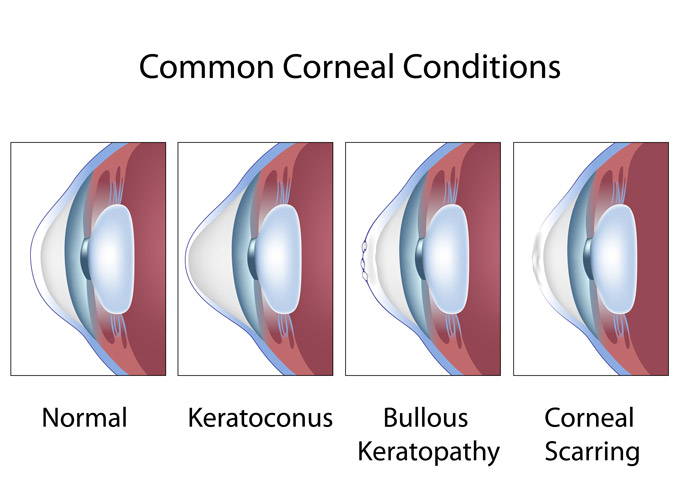
Central to the comprehension of astigmatism is an appreciation of the eye’s structure, particularly the cornea. The cornea, a transparent, dome-shaped piece of tissue, serves as the window through which light enters the eye. In a healthy eye, the cornea is evenly curved, allowing light rays to refract properly and converge precisely on the retina, the light-sensitive layer at the back of the eye. However, in astigmatism, the cornea’s irregular shaping creates multiple focal points, leading to a lack of clarity in vision.
What Causes Astigmatism?
The genesis of astigmatism can often be attributed to genetics, with family history playing a pivotal role in the likelihood of developing this condition. However, other factors may contribute as well. Irregularities in corneal shape can result from trauma, surgical procedures, or conditions such as keratoconus, wherein the cornea thins and bulges into a cone shape, exacerbating the distortion of vision. This multifaceted genesis highlights the complexity of astigmatism, as it intertwines anatomical predispositions and environmental influences.
Identifying the Symptoms of Astigmatism
Astigmatism manifests subtly yet significantly. Individuals may experience blurred or distorted vision, particularly when gazing upon objects at varying distances. Visual discomfort can escalate in low-light settings, where the contrast between illuminated objects and their surroundings diminishes clarity. Additionally, astigmatic individuals often contend with squinting, headaches, and fatigue after prolonged visual tasks, as their eyes strive to compensate for the lack of focus.
Diagnosing Astigmatism: The Importance of Comprehensive Eye Exams
For a definitive understanding of one’s visual health, regular eye examinations are paramount. An eye care professional employs a range of tests, including the use of a phoropter and keratometry, to evaluate the degree and nature of corneal curvature. Astigmatism is often quantified in diopters, revealing the severity of the condition and informing subsequent treatment avenues. Through this meticulous process, individuals can embark on an informed journey towards enhanced visual clarity.
Treating Astigmatism: Options for Enhanced Clarity
Upon diagnosing astigmatism, a plethora of corrective measures lie at one’s disposal. Eyeglasses constitute the most common approach, expertly crafted to counteract the optical distortion caused by uneven curvature. Lenses designed for astigmatism possess specific curvature, enabling light to refract accurately onto the retina.
Contact lenses also present an appealing alternative, offering a broader field of vision and a greater aesthetic choice. Toric lenses, specifically engineered for astigmatism, combine different curvatures on the lens to correct the irregularities of the cornea, allowing for a clearer, more consistent sight experience. For some, orthokeratology—a method employing specially designed contact lenses to reshape the cornea temporarily—may also offer a respite from the burden of vision distortion.
In more severe cases, surgical interventions might be warranted. Procedures such as LASIK or PRK employ advanced laser technology to reshape the cornea, providing a long-lasting corrective solution. These surgical options are becoming increasingly popular due to their effectiveness and the lasting freedom they offer from glasses or contacts.
The Emotional and Psychological Impact of Astigmatism
Beyond the physical manifestations of astigmatism lies another layer of complexity: the emotional and psychological ramifications. Individuals battling blurred vision often face frustration, diminished self-esteem, and even social anxiety, particularly in settings where visual clarity is paramount. The inability to engage fully in life’s myriad experiences—whether reading a book, enjoying a sunset, or appreciating art—can lead to a sense of isolation.
In recognition of these impacts, it becomes imperative for both affected individuals and their support systems to foster open dialogues about the condition, facilitating understanding and empathy. Schools, workplaces, and social circles can promote inclusivity by accommodating individuals with visual impairments, thus ensuring that they continue to thrive in their environments.
Conclusion: Seeing the World Through a New Lens
Astigmatism, while often perceived as a mere inconvenience, serves as a profound reminder of the delicacies of human vision. The interplay between light, curvature, and perceptual experience renders every individual’s relationship with sight unique. By embracing proactive measures—whether through corrective lenses, advanced treatments, or emotional support—individuals can not only manage their astigmatism but also reclaim the vibrancy of their visual world. Ultimately, viewing life through a clear lens allows for a richer engagement with the world, illuminating the inherent beauty that surrounds us all.

Leave a comment