

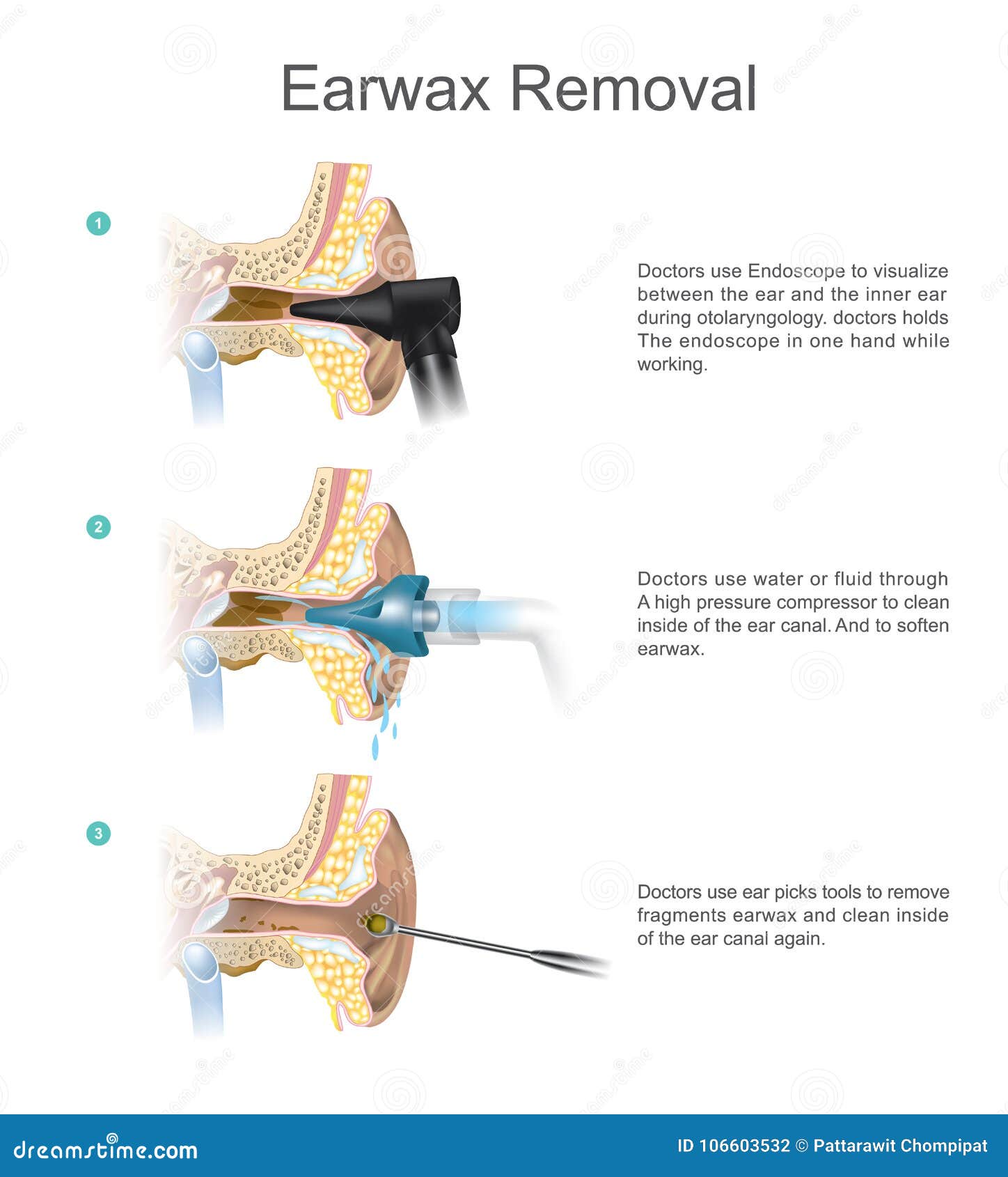
Earwax accumulation, medically known as cerumen impaction, presents a common yet frequently overlooked otological concern. This condition manifests when an excessive buildup of earwax amasses within the ear canal, leading to potential auditory dysfunction, discomfort, and various ancillary health issues. Understanding the implications of this condition necessitates an insightful exploration of cerumenolytics, the agents designed specifically to manage such a problem. By delving into the intricacies of earwax buildup and the role of cerumenolytics, we seek to unveil a profound perspective on an ailment that often lurks unnoticed in mundane discussions about health.
To appreciate the necessity of cerumenolytics, it is imperative to first comprehend the physiological role of earwax, or cerumen. Cerumen serves vital functions in the auditory system: it acts as a protective barrier against pathogens, traps debris, and lubricates the ear canal. However, a delicate balance exists, for when this waxy substance is produced excessively, it may lead to significant complications, warranting treatment intervention. Recognizing the symptoms of excess cerumen can illuminate the issues associated with buildup. Symptoms often include hearing impairment, tinnitus (ringing in the ears), vertigo, and, in some cases, even a sensation of fullness in the ear.
In instances where cerumen impaction occurs, patients may experience a plethora of symptoms that can hinder daily activities. The tantalizing phrase “earwax removal” often emerges in clinical settings, proclaiming the effectiveness of cerumenolytics. These compounds facilitate the disintegration of earwax, easing its eventual removal, and restoring auditory function. Commonly recommended cerumenolytics encompass various compositions, including hydrogen peroxide, mineral oil, and saline solutions, each boasting unique mechanisms of action in softening and dissolving earwax.
A key consideration in the use of cerumenolytics is understanding the underlying causes of cerumen buildup. Several factors contribute to this condition, ranging from abnormal ear canal anatomy, excessive hair growth within the canal, to the habitual use of cotton swabs. The latter often exacerbates the problem rather than alleviating it, as users inadvertently push the cerumen deeper into the canal, creating a compaction effect. Thus, it is essential for individuals to reevaluate ear hygiene practices, fostering a nuanced understanding of ideal ear maintenance.
It is noteworthy that certain populations may be predisposed to cerumen impaction. Individuals with a history of chronic ear infections or those using hearing aids are particularly susceptible. Therefore, proactive measures through regular auditory assessments and ear inspections can help mitigate potential issues before they escalate into more challenging situations. In such contexts, the importance of cerumenolytics cannot be overstated; they offer both a solution for immediate relief and a preventative strategy for susceptibility to earwax buildup.
In the clinical context, cerumenolytics can be administered in several forms, ranging from over-the-counter (OTC) drops to prescription formulations depending on the severity of the condition. The application of these agents often entails a few drops into the ear canal, followed by a period of waiting to allow the solution to penetrate and soften the cerumen, making removal much more manageable. Following treatment, a visit to a healthcare professional is recommended to ensure thorough clearance of the ear canal, as improper removal techniques can lead to trauma and complications.
The popularity of cerumenolytics in self-care settings invites scrutiny regarding their efficacy and safety. While generally regarded as safe, individual responses to these compounds may vary. Some individuals report mild discomfort or a transient feeling of fullness post-application, while others experience more significant reactions. Thus, discussing these potential outcomes with healthcare providers is essential to tailor a treatment plan that is both safe and effective. Engaging with the medical community on this topic can also enhance public awareness, fostering a culture of preventive ear care.
Moreover, one must not overlook the psychosocial ramifications of earwax buildup. The stigma attached to ear hygiene can discourage individuals from seeking assistance, potentially leading to untreated conditions that affect quality of life. Educational campaigns emphasizing the importance of ear health, the role of cerumenolytics in treatment, and dispelling myths about earwax clearance should be a priority for public health initiatives. Shifting the conversation around ear hygiene from taboo to a topic of normalization could encourage individuals to take proactive steps in addressing their hearing health.
In conclusion, cerumen impaction is a prevalent condition that necessitates attention and understanding. Cerumenolytics serve as an effective intervention, alleviating the discomfort associated with excessive earwax while promoting auditory health. As public discourse around earwax and its management evolves, there lies the potential for increased awareness and improved health outcomes for individuals grappling with cerumen buildup. The promise of cerumenolytics is not merely in their efficacy as a treatment but in their capacity to shift the narrative surrounding ear health, transforming a common problem into an opportunity for enhanced well-being.

Leave a comment