

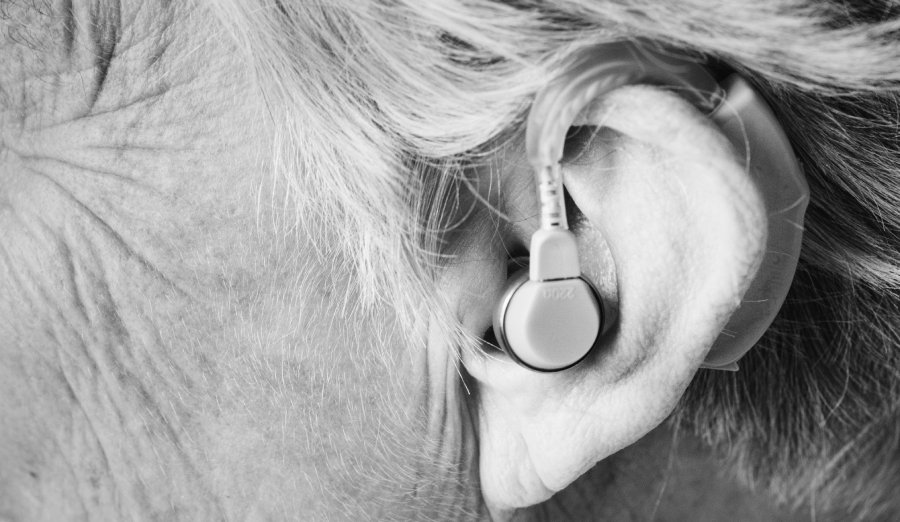
Hearing loss is a prevalent condition that evokes profound concern across all demographics, yet its implications are particularly salient for the aging population. Within this context, the term ‘Presbycusis’ emerges as a scientific descriptor for age-associated hearing loss. It refers to a gradual decline in auditory capacity, characterized by distinctive clinical manifestations and accompanying psychosocial ramifications. This article offers a comprehensive exploration of Presbycusis, illuminating its etiology, clinical presentations, diagnostic methods, and therapeutic options.
At its core, Presbycusis pertains to the cumulative effects of aging on auditory structures. As individuals progress through the unique landscape of aging, the vestibular and auditory systems undergo significant transformations. These alterations can be traced back to degenerative changes at both a cellular and an anatomical level, involving the inner ear structures, neural pathways, and central auditory processing regions in the brain. Understanding this condition necessitates delving into the intricacies of auditory physiology, as well as the pathological processes that lead to its onset.
The auditory system comprises intricate components including the outer, middle, and inner ear, each playing a vital role in sound transduction. The inner ear, particularly the cochlea, is critical in converting mechanical sound vibrations into electrical signals that travel to the brain. Over time, factors such as cellular senescence, oxidative stress, and vascular compromise lead to sensory cell loss in the cochlea, particularly affecting the hair cells responsible for sound transduction. The resulting deficits typically manifest as difficulty in hearing higher frequencies, an early hallmark of Presbycusis.
In clinical practice, the phenotypic spectrum of Presbycusis can be classified into several types: sensory, neural, metabolic, and mechanical. Sensory Presbycusis primarily involves hair cell degeneration, while neural Presbycusis is marked by the loss of auditory neurons. Metabolic Presbycusis reflects diminished blood supply leading to reduced cellular integrity, and mechanical Presbycusis pertains to compromised mobility of the middle ear structures. This nomenclature underscores the heterogeneous nature of age-related hearing impairment and emphasizes the need for precise diagnostic modalities to tailor interventions accordingly.
Diverse methodologies exist for diagnosing Presbycusis, combining subjective audiometric testing with objective assessments, such as tympanometry and otoacoustic emissions. Audiometric evaluations typically reveal a characteristic audiogram, demonstrating a gentle sloping curve that accentuates the decline in high-frequency hearing. Additional diagnostic tools can assist in unraveling the multifactorial etiology of this condition, often encompassing comorbidities, genetic predispositions, and environmental exposures that cumulatively contribute to the auditory decline.
Patients with Presbycusis often experience more than just auditory impairment; the ramifications extend into realms of social interaction, mental health, and quality of life. Sound serves as a fundamental medium for communication and connection. The gradual onset of hearing loss can precipitate feelings of isolation and frustration, which may escalate into more severe psychological outcomes such as depression and anxiety. These factors highlight the necessity of a holistic approach to treatment, wherein auditory rehabilitation is considered alongside psychosocial support.
While pharmacological interventions are limited in their efficacy for Presbycusis, current therapeutic practices pivot towards non-invasive modalities such as hearing aids and cochlear implants for more severe cases. Hearing aids amplify sound and can be customized to target specific frequency deficits, providing users with a bridge to regain auditory perception. Cochlear implants, on the other hand, bypass damaged hair cells altogether, directly stimulating the auditory nerve. As technology advances, innovative solutions such as auditory training programs and teleaudiology services are emerging, which strive to enhance patient engagement and access to care.
Importantly, recent research delves into preventive strategies aimed at mitigating the impact of Presbycusis. Lifestyle modifications, including dietary enhancements rich in antioxidants and omega-3 fatty acids, alongside regular auditory screenings, have garnered attention for their potential role in preserving auditory health. Furthermore, the increasing recognition of the mind-body connection engenders interest in cognitive training and social engagement as adjunct therapies to stave off cognitive decline associated with untreated hearing loss.
In summation, Presbycusis epitomizes a complex interaction of biological aging processes affecting auditory function. The exploration of this condition reveals not only the physiological degenerative changes underlying hearing loss but also the profound implications for individual well-being and societal engagement. The recognition of Presbycusis as a multifaceted condition necessitates a paradigm shift in how we address auditory health in aging populations. With ongoing advancements in research and technology, there exists hope for improved quality of life for those affected, echoing the need for continued inquiry into the science of sound and its essential role in the human experience.

Leave a comment