

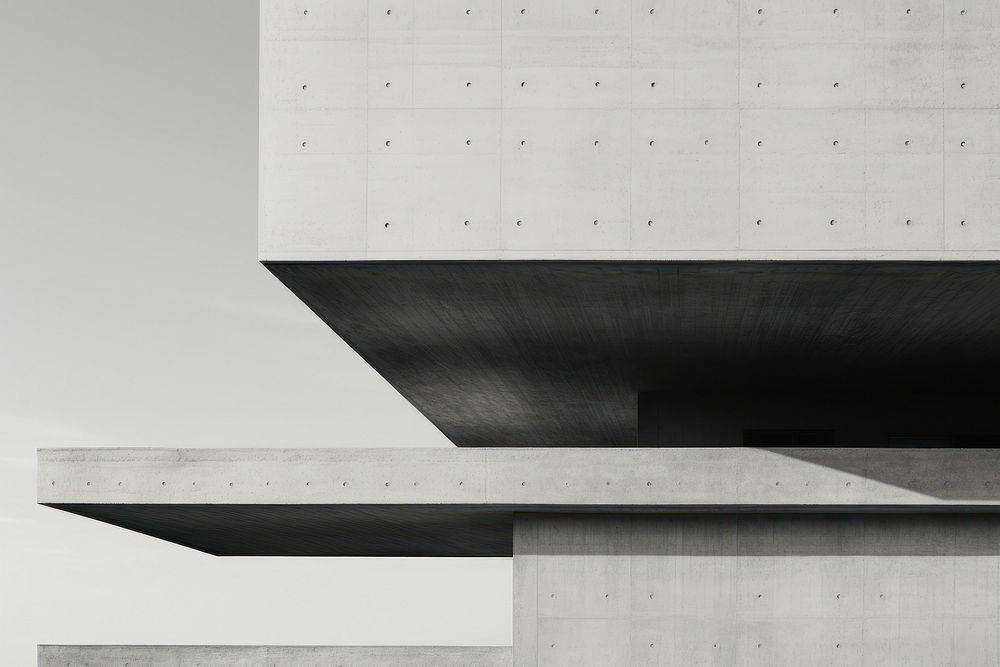
In the realm of modern architecture, concrete has emerged as a ubiquitous material, shaping the skylines of cities around the globe. But which concrete building type can be cast larger? As construction technology advances, we are prompted to consider: does size truly equate to innovation? This question opens a Pandora’s box of architectural possibilities. To understand which concrete structures can achieve such grand proportions, we must delve into the innovative techniques redefining contemporary concrete construction.
First and foremost, the sheer versatility of concrete makes it a prime candidate for large-scale construction. This material can be molded into a myriad of shapes and sizes, allowing architects to move beyond conventional forms. Among these, the massive scale of precast concrete structures stands out. The use of precast elements enables manufacturers to produce large panels in controlled environments, reducing project timelines and enhancing quality. Moreover, these panels can be transported to site for rapid assembly, resulting in structures that can soar skyward with remarkable efficiency.
Nonetheless, while precast technology is indeed innovative, we must also consider the implications of spatial design. High-rise buildings, a staple of urban planning, benefit from advancements in reinforced concrete. Reinforced concrete utilizes steel bars or meshes within the concrete mix to enhance tensile strength. This combination allows for the construction of taller structures without compromising stability. Undoubtedly, the integration of smart materials can further revolutionize high-rise designs. Imagine buildings constructed of self-healing concrete, capable of repairing cracks autonomously. Such advancements could permit even larger high-rises, as structural integrity remains uncompromised over time.
Equally fascinating is the realm of 3D-printed concrete. This groundbreaking technology has begun to revolutionize construction methodologies. Architects can design organic shapes and intricate geometrics that were once considered impossible to achieve with traditional methods. Erecting facilities that feature flowing, asymmetrical forms becomes feasible—think of curvilinear structures that capture the eye and imagination. The capacity for producing expansive designs through robotic fabrication prompts a reevaluation of existing boundaries in architecture. Featuring layers of material, 3D-printed concrete structures challenge our perceptions of mass and volume.
One cannot ignore the sustainability dimensions inherent in these modern innovations. As planetary concerns escalate, the call for eco-conscious building practices becomes increasingly urgent. Concrete production is known for its high carbon footprint; thus, the industry is adapting to mitigate these effects. New methodologies, such as the incorporation of recycled aggregates and industrial byproducts, foster developments in green concrete. Buildings that seamlessly integrate renewable resources could further enlarge their constructed footprints, exemplifying a harmonious coexistence of ample size and environmental accountability. Are we on the brink of a new era in large-scale construction that reconciles grandeur with sustainability?
Moreover, architectural expressions that embrace biophilic design are gaining traction. Such buildings, characterized by their incorporation of natural elements, often demand large volumes to achieve their intended effects. Imagine vast atriums, which blur the lines between indoor and outdoor space. Concrete can help realize these lofty ambitions, as its moldability allows architects to integrate expansive openings and translucent structures that maximize natural light. Whether it’s a public space or a residential enclave, the use of concrete in vast, open architectures can redefine how we interact with our surroundings.
The cultural implications of these large concrete structures should not be overlooked. Cities vie for iconic representations that assert their identity, and large-scale concrete edifices often serve this purpose. The monumental scale of public buildings like museums or government structures can transcend mere utility; they become embodiments of collective aspirations and civic pride. The question arises: what message does an imposing concrete structure send to its inhabitants? Does it elevate societal sentiments, or does it impose a weighty presence too burdensome to bear?
As we delve deeper into the various dimensions of concrete construction, it becomes increasingly clear that innovations are not solely about size. They represent a dialogue between form, function, and societal context. We must ask ourselves: in our quest for ever-larger structures, are we compromising the very essence of what architecture can achieve? Each concrete building type, from precast to 3D-printed to innovative reinforcements, possesses its own narrative woven into the fabric of urban life.
Ultimately, as modern architecture continues to evolve, the boundary for casting larger concrete structures appears to widen exponentially. Fatigue with conventionality propels architects to explore avant-garde techniques, culminating in a symbiotic relationship with the environment and community. Therefore, while there exists a question of which concrete building type may be cast larger, the answering might lie in the intersection of innovation, sustainability, and cultural resonance. It is within this triad that future architectural marvels will emerge, capturing the imaginations of generations to come. Can we then envision a world where our monumental aspirations in concrete do more than just rise—they can also inspire and uplift?

Leave a comment