

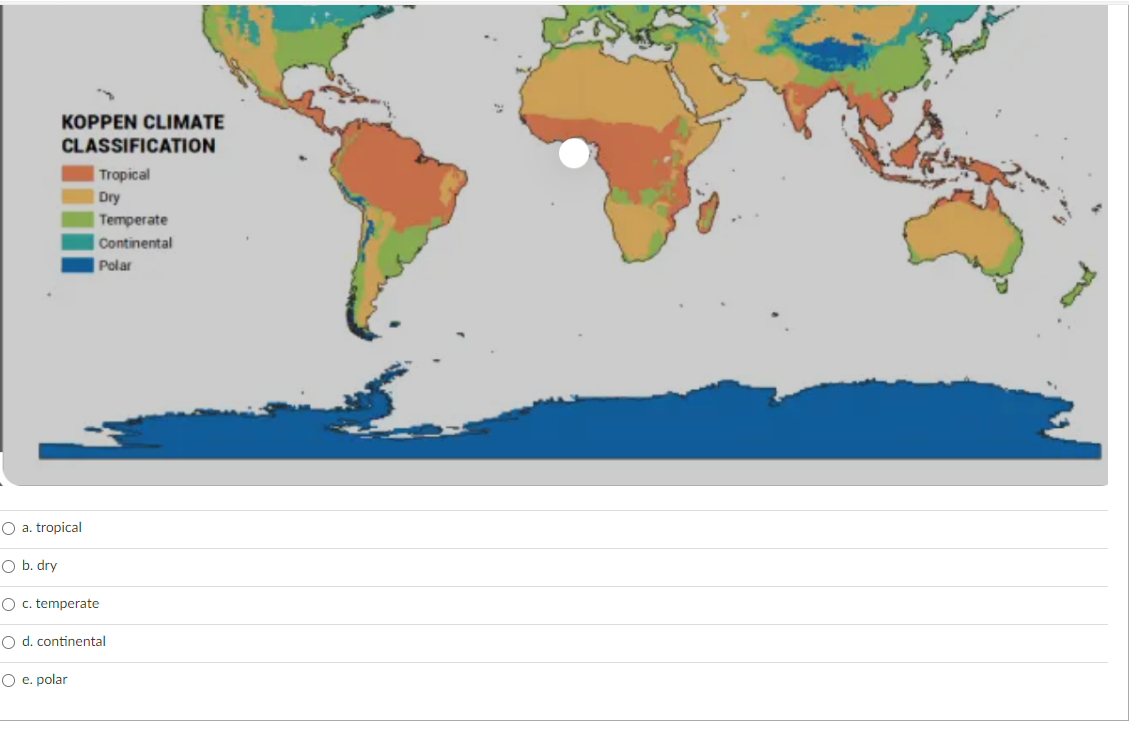
The Earth is divided into several distinct climatic zones, largely influenced by geographical latitude. Understanding which continent lies between 15°N and 60°S requires delving into the specifics of these latitudinal classifications and their implications on climate, biodiversity, and human activity. This wide latitudinal range encompasses generally varying climates, from tropical to temperate and beyond, creating an intricate tapestry of ecosystems.
At the forefront of this inquiry lies the continent of Africa, which prominently hosts the majority of its landmass between these latitudes. Starting at the equatorial region, which runs through the central part of the continent, Africa encapsulates an array of climates that significantly impact both its geography and its human cultures. The continent stretches northward to the Sahara Desert, where arid conditions predominate, and extends southward where lush and vibrant landscapes encounter the Southern Ocean.
In examining Africa’s geographical positioning, it becomes evident that it straddles the Tropic of Cancer (23.5°N) and the Tropic of Capricorn (23.5°S). This unique positioning allows for a significant array of climatic zones, showcasing tropical rainforests, savannas, and semi-arid conditions. The climatic variability across the continent prompts incredibly diverse flora and fauna, creating ecosystems that are rich and complex.
The climatic zones within this range are not merely an academic curiosity; they are instrumental in understanding global weather patterns. Often, these zones produce varying levels of precipitation, humidity, and temperature, all of which significantly affect agriculture, economies, and societal structures. Africa’s climatic zones offer fertile grounds for the spread of different civilizations, all adapted to their unique environments.
Moving southward along this latitude trajectory, one can observe the increasingly temperate characteristics without losing the tropical essence toward the southern parts of the continent. The Southern Hemisphere is where another major marker lies. With the shifting of seasons due to the tilt of the Earth’s axis, countries such as South Africa and parts of southern Namibia experience stark climatic changes with defined summer and winter seasons. The cooler temperatures characteristic of the southern parts reveal an ecological diversity that supports vineyards, grasslands, and a plethora of wildlife, many of whom have adapted uniquely to their environments.
Delving deeper into the implications of the positioning of this continent, the climatic belts encountered reveal much more than physical weather patterns. The interplay between various climatic zones within Africa emphasizes the necessity for an ecologically balanced relationship. Socioeconomic activities heavily rely on this relationship, particularly in agricultural sectors where cultivation practices must align closely with climatic rhythms. This interdependence necessitates a profound understanding of the seasonal fluctuations in precipitation and temperature.
In contrast, when we shift our perspective to the broader implications of these climatic zones, we come across considerations surrounding climate change. Africa, straddling the 15°N to 60°S latitude, is a continent heavily affected by global warming phenomena. Prominent issues arise due to the displacement of climates; shifts in rainy seasons can devastate crops, leading to food shortages. The consequences of climate change stress the importance of sustainable practices among agricultural communities and a greater awareness of environmental stewardship.
Furthermore, within the designated latitudes of 15°N to 60°S, Latin America also holds a fragmented position on the geographical landscape. While its major landmass primarily lies to the north and to the south of these coordinates, the coastal regions and the western highlands can straddle this belt. The Amazon rainforest, a critical global asset, exists profoundly within these coordinates, exemplifying a rainforest biome where biodiversity reaches unparalleled levels. Each flora and fauna relies upon the intricate balance of tropical conditions that this climatic zone provides.
Furthermore, the climatic diversity observed between 15°N and 60°S carries implications beyond mere ecological interests. Urbanization and industrial activities also manifest crucial impacts; cities positioned in these latitudes are being continuously redefined in their efforts to combat environmental degradation. Urban centers like Johannesburg, Nairobi, and São Paulo are directly influenced by the climactic characteristics of their respective zones. These cities are forced to grapple with issues of water supply, pollution, and economic adaptation in the wake of climatic adversity.
In conclusion, the climatic belt between 15°N and 60°S presents a rich tapestry shaped primarily by the African continent and partly by elements of South America. Within this expanse lies a plethora of climatic and ecological varieties that drive fundamental human interactions with nature. Knowledge of these patterns fosters not only a recognition of biodiversity but also an appreciation for the lifestyles that have evolved in concert with the environment. It highlights the complexity of our planet’s ecosystems and how intertwined they are with the living organisms that depend on them. As climatic concerns become increasingly pressing, it is essential to remain vigilant in understanding and safeguarding these vital networks.

Leave a comment