

As one of the most widely celebrated religious festivals across the globe, Easter encapsulates a myriad of customs and practices that vary significantly from one country to another. This annual observance, steeped in cultural and theological significance, is marked by a rich tapestry of traditions that reflect the local customs and historical contexts of different regions. Each nation has its way of celebrating the resurrection of Jesus Christ, with rituals that offer a glimpse into the personalities and values of its people. This essay explores the diverse ways in which Easter is commemorated around the world, drawing attention to the commonalities and divergences that arise in various cultures.
The genesis of Easter’s celebrations lies in the Christian faith, marking the culmination of a 40-day period of Lent, during which adherents engage in reflection, penitence, and sacrifice. However, while it maintains its religious foundation, Easter has also absorbed local customs, folklore, and secular elements, evolving into a multifaceted cultural phenomenon. As such, the ways in which Easter is celebrated can often provide insight into the broader customs and social attributes of a country.
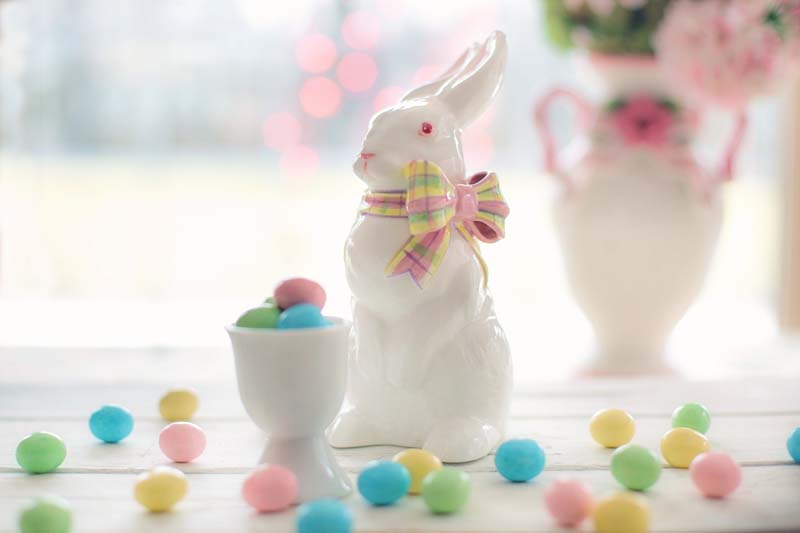
In the United States, for instance, Easter embodies a blend of religious reverence and secular festivity. Traditional church services are often accompanied by jubilant family gatherings, egg hunts, and the beloved figure of the Easter Bunny. The custom of dyeing eggs can be traced back to early Christian rites, symbolizing rebirth and renewal. Communities often engage in festive parades, with vibrant displays of springtime festivities featuring flowers, chocolates, and artistic decorations. This amalgamation of religious and secular traditions exemplifies the American spirit of coming together in celebration.
Across the Atlantic in Europe, nations exhibit their distinctive customs. In Spain, the Holy Week, known as “Semana Santa,” is an elaborate observance characterized by processions filled with solemnity and devotion. Participants don elaborate robes, carry statues of Christ and the Virgin Mary, and engage in poignant rituals that evoke a deep sense of community and spirituality. Cities like Seville take on a theatrical quality during this time, with street corners transformed into stages for impassioned displays of faith.
Moreover, the festivities extend to countries such as Italy, where Easter is marked by joyful feasting and family gatherings. A notable highlight is the consumption of “Colomba di Pasqua,” a dove-shaped cake representing peace. Additionally, the historic practice of ‘Scoppio del Carro’ in Florence sees a cart filled with fireworks being ignited in a dramatic display to ensure a prosperous harvest. This intertwining of religious significance with culinary and communal traditions presents a vivid picture of Easter in Italy.
In Eastern Europe, particularly in countries like Poland and the Czech Republic, the celebration of Easter includes unique customs that often have a playful tone. The day known as “Śmigus-Dyngus” involves the splashing of water, rooted in the idea of purification and renewal. On this day, it is customary for young men to douse women with water, which is often viewed as a gesture of courtship. This striking juxtaposition of solemn faith with lighthearted merriment illustrates the dual aspects of Easter observance.
In Greece, the culinary practices associated with Easter are as distinctive as they are delicious. Traditional dishes such as lamb roasted on a spit and “Tsoureki,” a sweet bread braided with red-dyed eggs that symbolize the blood of Christ, dominate the Easter feast. The week leading up to Easter is marked by a strict fast, culminating in raucous celebrations filled with music and dance, inviting individuals to embrace joy and release the sacrifices of Lent.
Further afield, Ethiopia presents a fascinating mélange of customs surrounding the Ethiopian Orthodox celebration of Fasika. This day is observed after 55 days of fasting, with the feast primarily featuring doro wat, a spicy chicken stew, served on injera, a traditional sourdough flatbread. Processions to churches, adorned with vibrant colors and resonant chants, showcase the deep religious significance of Easter in this vibrant culture.
Australia contributes its unique flavor to the celebration, presenting an interesting twist with the Easter Bilby, a substitute for the Easter Bunny. This reflects efforts to raise awareness about the endangered bilby species native to Australia. In this context, Easter becomes a platform not only for celebration but also for environmental conservation, merging traditional values with contemporary ecological concerns.
Beyond these individual celebrations, the fascination with Easter lies in its capacity to unite disparate cultures through shared values of rebirth, renewal, and hope. The common symbols of eggs and bunnies encapsulate the exuberance associated with spring and symbolize life emerging from the cold of winter. However, the depth of these celebrations serves as a reminder of the underlying spiritual significance that transcends geographical boundaries.
In conclusion, the celebration of Easter across different countries provides a remarkable spectrum of cultural expressions rooted in both religious significance and local customs. Each nation weaves its own narrative into the fabric of Easter, enriching the global celebration with diverse traditions that resonate with themes of renewal and community. As one observes these varied practices, it becomes evident that the essence of Easter is not restricted to a singular interpretation but is instead a dynamic and evolving representation of humanity’s shared experiences.

Leave a comment