

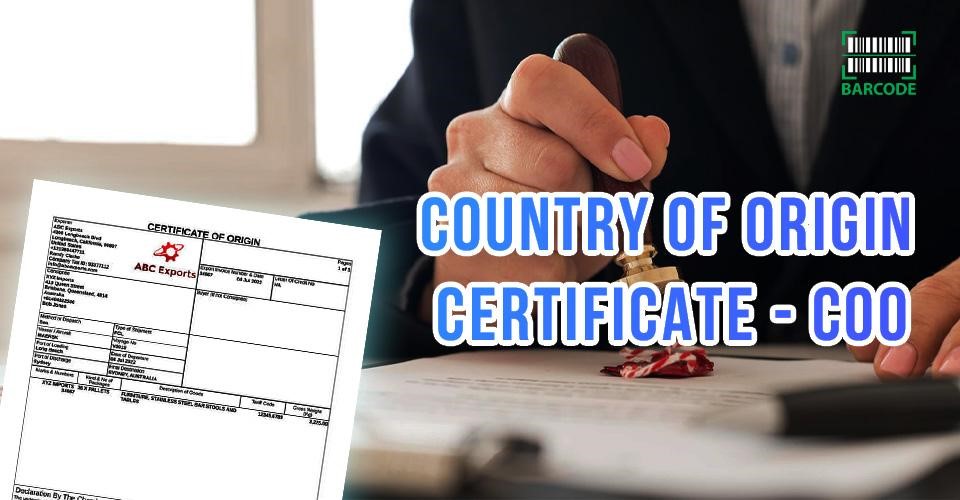
In the intricate web of global trade, compliance with regulations is paramount. One such critical regulation is the requirement of a Certificate of Origin (CO) for exporting goods. As trade barriers fluctuate and international relations evolve, understanding which countries necessitate this documentation becomes crucial for exporters aiming to navigate these complexities proficiently. The Certificate of Origin serves as a testament to the manufacturing origin of goods, and its importance cannot be overstated. This article elucidates the countries that commonly require this certificate and provides a nuanced understanding of trade compliance for exporters.
A Certificate of Origin is predominantly required in two scenarios: to satisfy the customs regulations of importing countries or to qualify for preferential tariff treatment under trade agreements. The necessity for this document varies significantly across jurisdictions, influenced by economic policies, trade agreements, and diplomatic relations between nations. Exporters must remain vigilant and informed to ensure compliance, avoiding potential pitfalls that could jeopardize their shipments.
Understanding the countries that mandate a Certificate of Origin largely entails recognizing regions with robust trade frameworks. Among the most prominent are:
- The United States: In the U.S., a Certificate of Origin is often required for products entering certain sectors, especially textiles, and intricate machinery. The Movement of Goods under the USMCA (United States-Mexico-Canada Agreement) has further emphasized adherence to origin certification.
- European Union Nations: The EU, with its ensemble of member states, generally implements strict rules around the use of Certificates of Origin. Particularly in the case of trade agreements with nations outside the union, certificates are vital to affirm the origin for goods benefiting from reduced tariffs.
- China: As a manufacturing juggernaut, China necessitates a Certificate of Origin for various imports, especially within sectors that are subject to safeguard measures. Compliance helps in mitigating risks associated with unintentional tariff implications.
- Canada: Similar to its southern neighbor, Canada mandates Certificates of Origin, particularly when it comes to trade with other nations, under treaties like CUSMA. Exporters must ensure that their documentation aligns with Canadian regulations to facilitate smooth customs clearance.
- India: India, as an emerging market, requires Certificates of Origin predominantly for products like textiles, leather, and certain agricultural goods. The evolving trade policies necessitate close attention to documentation standards.
- Brazil: In Brazil, documentation intricacies can be daunting. The Certificate of Origin is frequently required for various goods, particularly those imported under free trade agreements.
While the above nations exemplify prominent users of Certificates of Origin, numerous other jurisdictions also impose similar requirements. Countries such as Australia, South Africa, and various Middle Eastern states have instituted regulations demanding proof of origin for certain products. The unifying thread in all these regulations is the intent to regulate trade effectively, ensuring that the principles of fair trade are upheld.
Moreover, the specific requirements for Certificates of Origin can be influenced by the product in question. For instance, perishable goods may face stricter scrutiny compared to durable goods. In the context of consumer demand, products like organic foods or electronics often require comprehensive certification to validate their origin, thus assuring consumers of their quality and sustainability.
Furthermore, exporters must bear in mind that the nature of the Certificate of Origin can fluctuate based on the destination country’s regulations. There exists a dichotomy between two standard types: the “non-preferential” Certificate of Origin, which affirms the originating country of the goods, and the “preferential” Certificate of Origin, which entitles goods to reduced tariffs or duty-free treatment under various trade agreements.
Exporters keen on capitalizing on these benefits must habitually check the latest stipulations, as trade regulations can be as dynamic as the markets themselves. Employing platforms that aggregate this information or collaborating with customs brokers can streamline the process, ensuring that all documentation remains aligned with current legal frameworks.
Additionally, trade agreements often dictate the nature of the Certificate of Origin required. For instance, under agreements like ASEAN (Association of Southeast Asian Nations) Free Trade Area, preferential treatment can lead to nuanced regulations around origin certification. Familiarizing oneself with these agreements and their implications can grant exporters a competitive edge, facilitating smoother transactions and fostering goodwill in international trade.
In conclusion, the requirement for a Certificate of Origin stands as a cornerstone of trade compliance, underscoring the importance of meticulous documentation in international commerce. Exporters must remain astute, comprehensively familiarizing themselves with the requirements of their destination markets, and continually updating their knowledge base as trade policies evolve. By prioritizing compliance and understanding the intricacies of trade regulations, exporters can not only enhance their operational efficiency but also contribute positively to the global trading landscape. Embracing this perspective can transform the daunting task of regulatory compliance into a strategic advantage, allowing businesses to thrive in a competitive market.

Leave a comment