

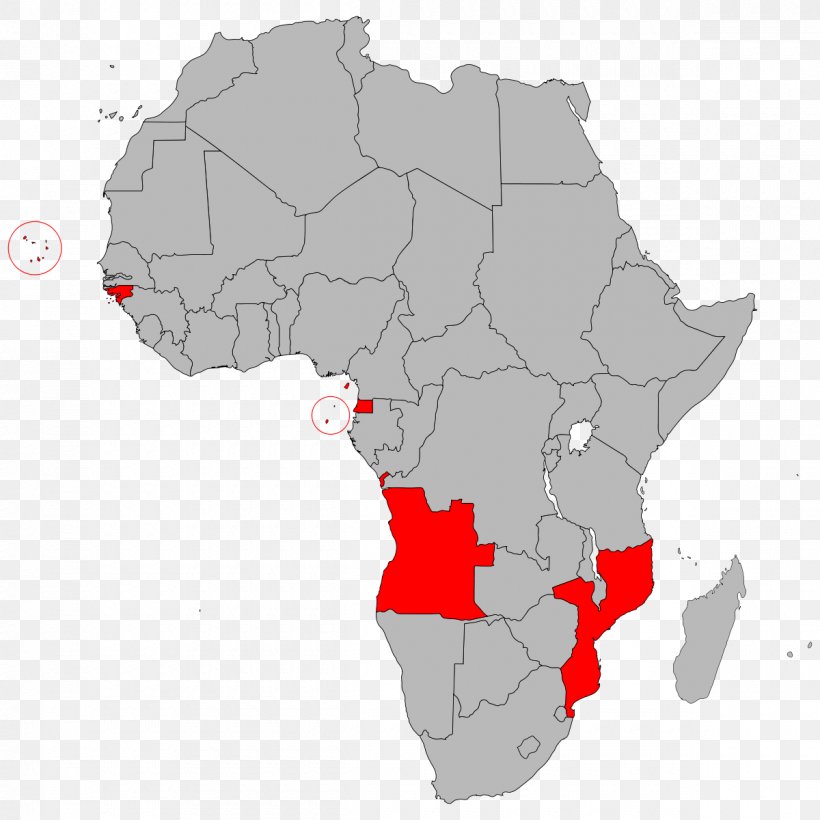
The intricate tapestry of languages spoken across Africa reveals a profound narrative of history, culture, and inevitable change. Among these, Portuguese stands as a testament to colonial legacy, echoing through several African nations where it thrives as an official language. As we delve into this topic, we uncover not merely the countries where Portuguese is spoken, but we unveil the cultural and historical context that underpins this linguistic phenomenon.
To fully appreciate the presence of Portuguese in Africa, it is indispensable to understand the colonial circumstances that besieged the continent from the late 15th century onwards. The Portuguese were among the earliest European explorers, their ships navigating the coastlines of Africa, as they sought trade routes and new territories. This ambition gave birth to a lasting influence, sophisticating the native tongues with Portuguese lexicon and structures.
Today, several countries in Africa are home to Portuguese as an official language, each with its distinct narrative woven into the fabric of its identity. The most prominent among them includes:
1. Angola
Angola, a country rich in natural resources and cultural diversity, stands as the largest Portuguese-speaking nation in Africa. With Portuguese as the official language, it serves as a lingua franca among its ethnically diverse population. The remnants of the colonial period are evident, yet the country has burgeoned into a modern society where Portuguese not only conveys formal communication but also embodies the vibrant Angolan culture through music, literature, and oral traditions.
2. Mozambique
Much like its neighbor Angola, Mozambique bears the imprints of Portuguese colonialism that significantly influenced its linguistic landscape. Although the nation is predominantly composed of various local languages, Portuguese serves as the bridge connecting divergent communities. The language embodies the profound joys and struggles of the Mozambican people, further enriched by the rhythms of traditional music, such as marrabenta, where Portuguese lyrics illuminate the national consciousness.
3. Guinea-Bissau
In Guinea-Bissau, Portuguese occupies a peculiar position; it exists alongside Creole languages, which reflect the country’s multicultural milieu. While Portuguese serves as the language of formal education and governance, Kriol, a Portuguese-based creole, is widely spoken and heralds the local dialects and customs. The interplay between Portuguese and Kriol renders a vivid portrayal of the country’s resilience and cultural richness, positioning the language as an integral part of national identity.
4. Cape Verde
Cape Verde, an archipelago off the coast of West Africa, presents an intriguing linguistic scenario. Although Portuguese is the official language, Kriolu, another creole language, embodies the soul of the Cape Verdean experience. Here, Portuguese manifests, not merely as a remnant of colonial legacy, but transforms into a vehicle for expressing the aspirations of a people defined by their geographic isolation and spiritual bond to the sea.
5. São Tomé and Príncipe
This island nation, often referred to as a hidden gem within the Atlantic Ocean, reflects a microcosm of Portuguese influence combined with indigenous traditions. Portuguese thrives in both official and everyday settings, yet local languages enrich this dynamic. The islands’ unique culture can be appreciated through its literature, music, and culinary diversity, all narrated inherently in the Portuguese language.
Beyond these nations, the presence of Portuguese in several African territories is undeniable. Its rich tapestry interlaces with colonial complexities, from trade to cultural interchange—and while history often speaks in somber tones, the artistic expressions that arise from Portuguese-language cultures sing of tenacity and identity.
When examining the legacy of Portuguese in Africa, one cannot overlook the intricate dynamics of language as a vessel for cultural transmission. Language transcends mere communication; it serves as the repository of collective memory and historical experiences. The literature produced in Portuguese by African authors reflects the confluence of dual heritages—colonial influences intricately woven into local traditions and forms of expression.
Moreover, the post-colonial discourse surrounding Portuguese in Africa is crucial. The legacy continues to evolve, as generations grapple with the past while creating their own narratives through the lens of a globalized world. Social, political, and economic considerations intertwine as these nations strive for modernization, bilingualism becomes increasingly valued, allowing local languages to flourish alongside Portuguese.
In essence, the Portuguese language in Africa represents more than a remnant of colonial dominance; it inhabits a unique space of cultural convergence. It is a symbol of resilience, adaptation, and a mosaic of identities that continue to thrive against the backdrop of history’s relentless march. The persistent use of Portuguese serves as a narrative device, not merely for the spoken word but as an emblem of the continuous evolution of culture and identity in African societies.
As we trace the lineage of Portuguese through these diverse nations, we find that the language, while rooted in a colonial past, holds the potential for fostering unity and creativity among the peoples of Africa. In this way, we understand that the past can illuminate pathways for the future—where the echoes of Portuguese continue to resonate, bridging cultures and aspirations anew.

Leave a comment